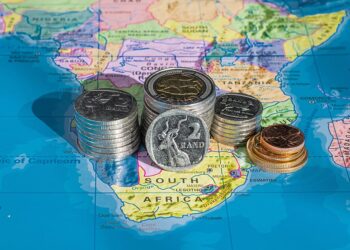






























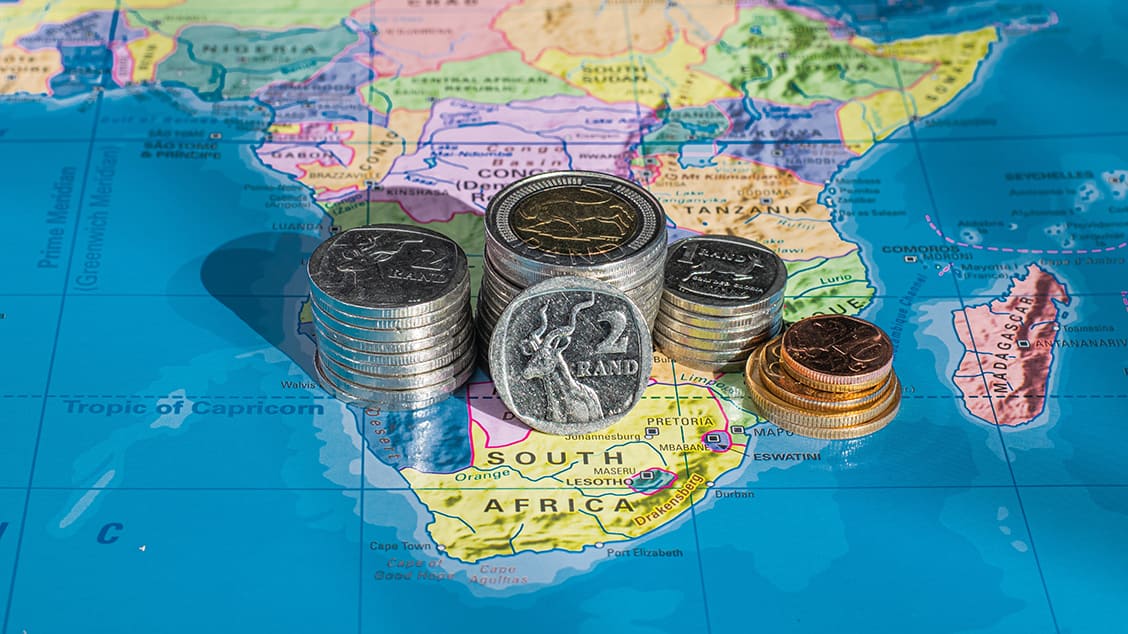
Africa investment commitments topped $20 billion in March 2026, pointing to stronger investor appetite for frontier markets despite rising geopolitical tension in the Middle East. The surge was driven mainly by large deals in Ethiopia and Kenya, while South Africa, Nigeria and Morocco also recorded important financing activity.
The headline number suggests renewed confidence in Africa’s long-term growth story. However, the bigger test will come later. Investment pledges often look impressive at announcement stage, but many are delayed, reduced or never fully delivered. That is why the quality of execution matters as much as the size of the commitment.
Africa investment rises as FDI rebounds
The broader backdrop for March was already favorable. UN Trade and Development reported that foreign direct investment into Africa rose 75% in 2024 to reach $97 billion. This level is far above global averages. Much of that jump was linked to capital from Gulf countries, which helped push the continent to a record year for inflows.
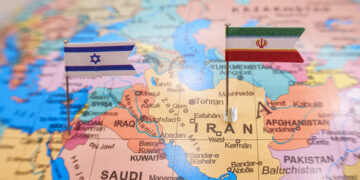
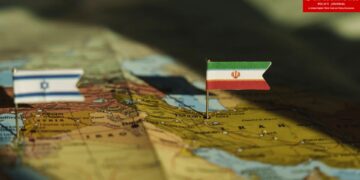
Still, that positive trend now faces new pressure. Tensions involving the United States, Israel and Iran have raised doubts about the future pace of Gulf-backed investment. Since Gulf capital has played a major role in Africa’s recent FDI rebound, any prolonged regional instability could weaken one of the continent’s most important funding channels.
Ethiopia and Kenya lead the March surge
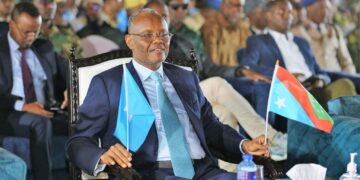
Ethiopia accounted for the largest share of March commitments. Reuters reported that the country secured $13 billion in deals at its “Invest in Ethiopia 2026” forum in Addis Ababa. The country’s recent liberalization efforts helped drive that result, especially after reforms opened sectors such as banking and retail to foreign investors.
Kenya also contributed strongly to the month’s momentum. African Economy reported that Kenya recorded roughly $9 billion in investment activity, including commitments tied to industrial platforms, agriculture, manufacturing, energy and technology. Although some of these figures reflect planned rather than deployed capital, they still suggest that East Africa remains central to investor interest.
Strong numbers, but execution remains the real test
Beyond East Africa, South Africa, Nigeria and Morocco also added to the continent’s March total through infrastructure finance, export credit and renewable energy packages. That breadth matters because it suggests the recovery is beyond one market. It also points to stronger cross-border capital flows at a time when global investors are searching for higher growth.
Even so, the main question is whether these pledges will turn into real projects on the ground. Historically, Africa has struggled with execution because of regulatory delays, weak infrastructure and political risk. Therefore, the March surge is encouraging, but it will only support long-term growth if the money is actually deployed. In that sense, the latest Africa investment wave is a strong signal, but not yet a guaranteed turning point.