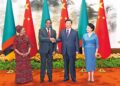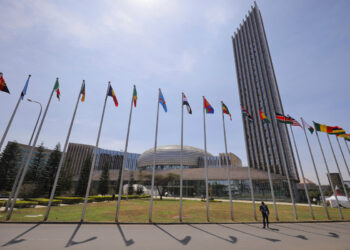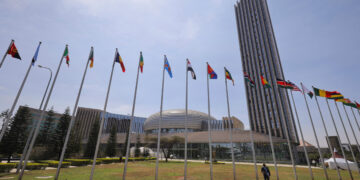
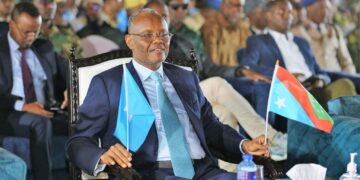












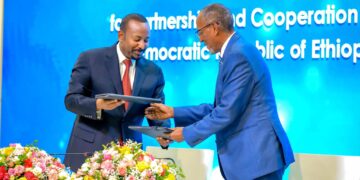

















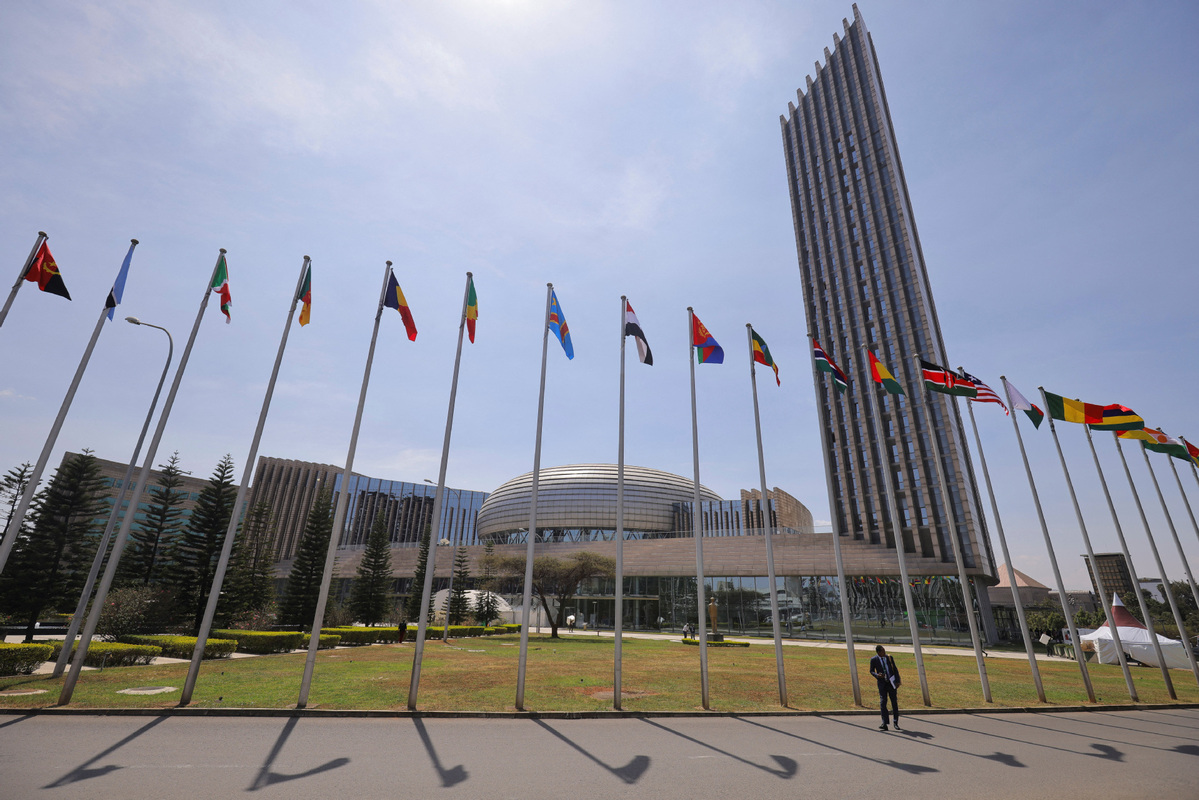
The AU Peace Council has passed to Ethiopia, giving Addis Ababa a leading role in the African Union’s conflict and security agenda for the next year. The handover took place Friday at AU headquarters in Addis Ababa as the continent faces wars, terrorism and wider regional instability.
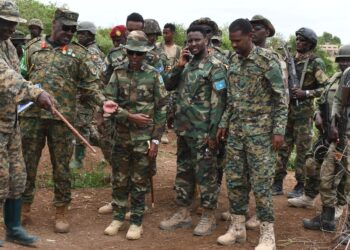
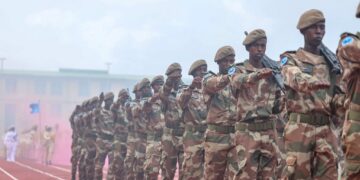
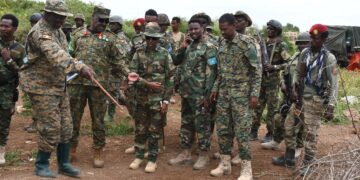
Ethiopia said it would use its term to promote “African solutions” to African crises. Foreign Minister Gedion Timnit said the country would draw on its experience in peacekeeping and conflict resolution, including past missions in Somalia and South Sudan.
AU Peace Council term begins amid rising crises
Ethiopia takes the chair at a difficult moment for the African Union. The 15-member council is responsible for coordinating responses to some of the continent’s most urgent security challenges, including the conflict in Sudan, insurgency in the Sahel and rising militant threats in the Great Lakes region.


The new term also begins as peace efforts remain stalled in eastern Democratic Republic of Congo. In addition, instability around the Red Sea continues to affect regional security and trade. Therefore, Ethiopia’s chairmanship starts under pressure to show practical results rather than broad declarations.
Ethiopia faces questions over credibility
Despite the diplomatic significance of the appointment, critics have questioned Ethiopia’s standing to lead the council on peace and security issues. The country continues to face internal tensions in regions such as Amhara and Oromia, where violence and government crackdowns have drawn international concern.
That criticism has created a clear challenge for Addis Ababa. On one hand, Ethiopia presents itself as an experienced regional actor with peacekeeping credentials and strong state institutions. On the other hand, critics argue that internal conflict weakens its credibility as a mediator in other crises.
Priorities include terrorism and force funding
During its term, Ethiopia plans to host a summit on counterterrorism in June and push for stronger funding for the African Union Standby Force. Officials have also emphasized closer coordination with the United Nations and regional organizations such as IGAD.
Supporters say Ethiopia’s strategic location and military capacity could help give the council more political weight. However, the success of this term will depend on whether Addis Ababa can build consensus across divided regional positions. As a result, Ethiopia’s chairmanship will test both its own diplomatic reach and the wider relevance of the AU Peace Council at a time of growing instability.