




























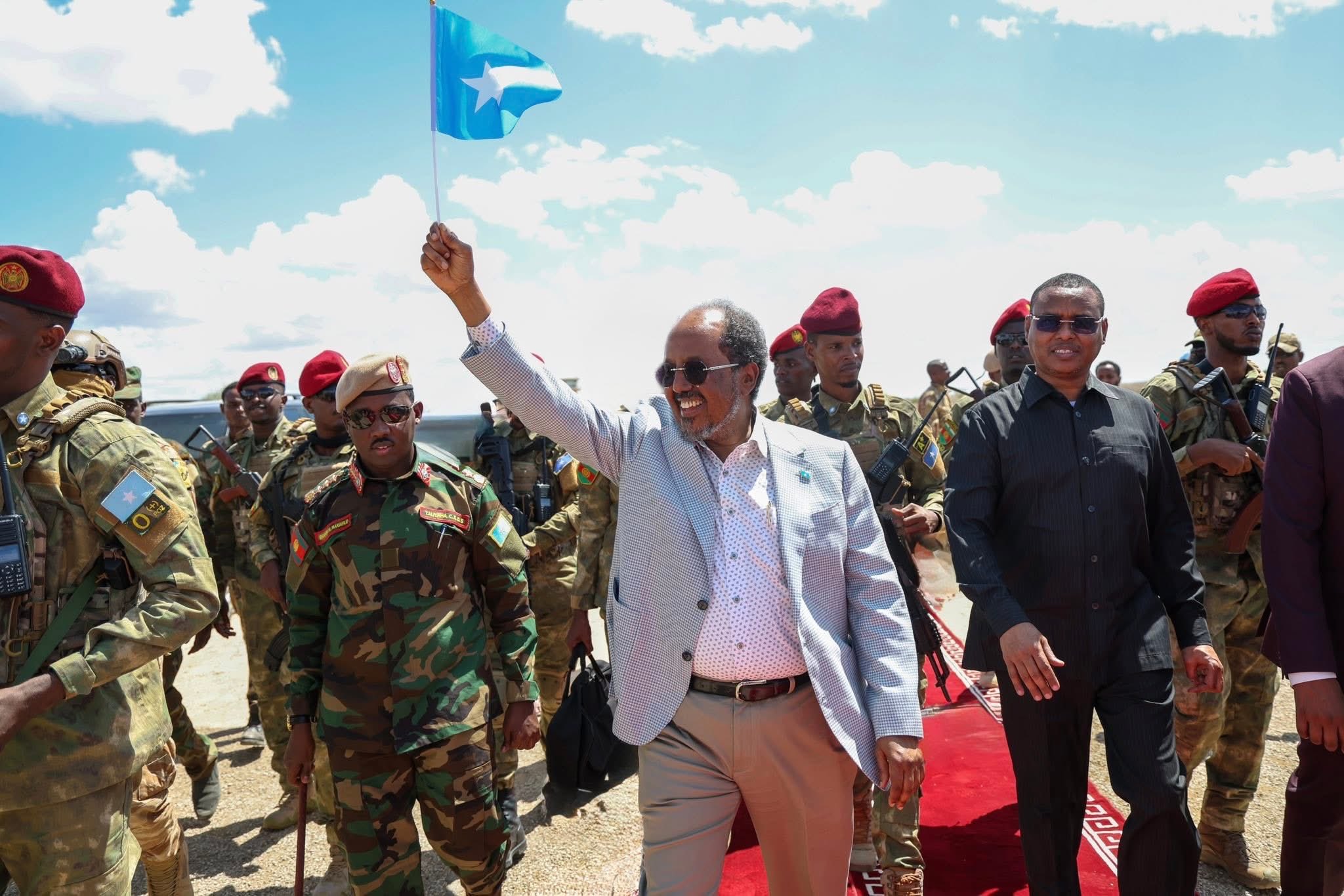
The Baidoa visit by President Hassan Sheikh Mohamud began with the arrival of a senior federal delegation in the interim capital of Southwest State. The trip brought together federal and regional leaders as the government moved to address security, service delivery, drought response and political coordination.
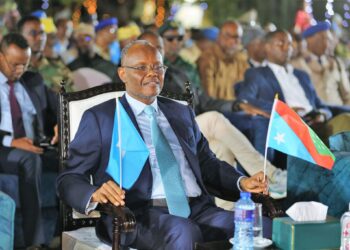
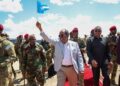
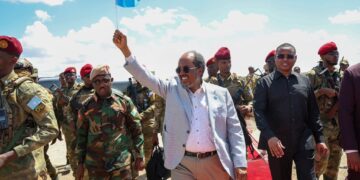
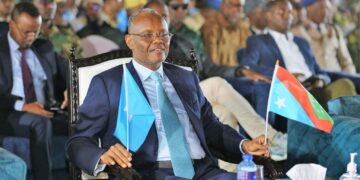
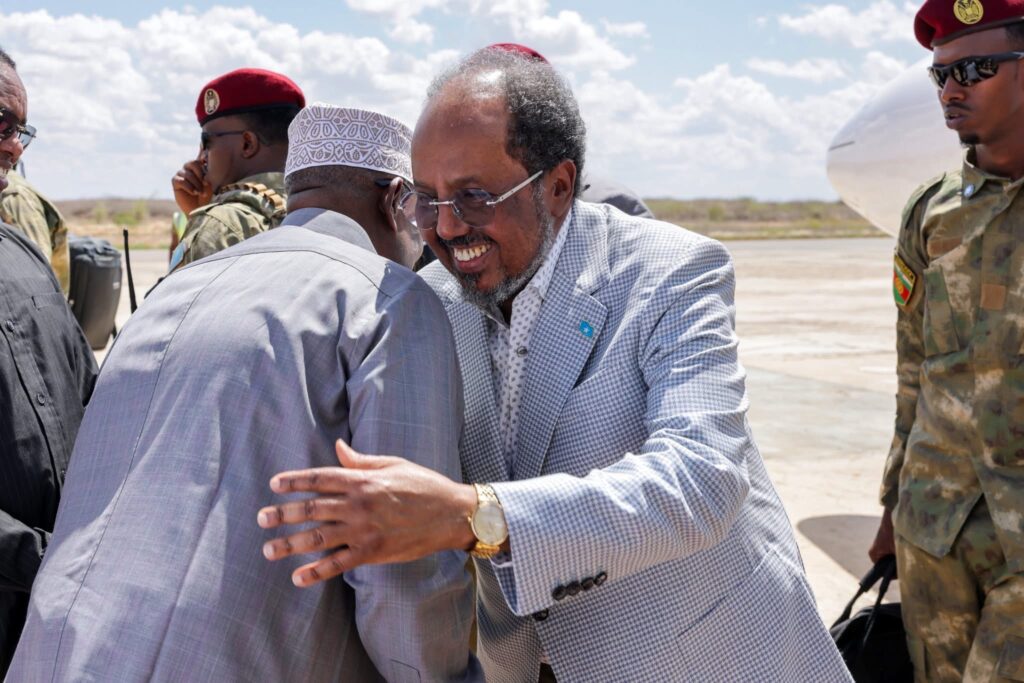
The president was received in Baidoa by the interim leader of Southwest State, the speaker of the House of the People, other federal and state officials, and large crowds of residents. The visit drew attention because Baidoa remains a key political and administrative center in southern Somalia.
Baidoa visit centers on security and services
According to the official agenda, the delegation traveled to Baidoa to support the expansion of public services, strengthen peace and reconciliation efforts, and advance Somalia’s broader political transition. The visit also placed strong emphasis on drought relief coordination and on improving the operation of state institutions.
Those priorities reflect the pressures facing the region. Southwest State continues to deal with security challenges, climate-related strain and ongoing political change. Therefore, federal engagement in Baidoa carries both symbolic and practical importance.
Meetings planned with leaders and community figures
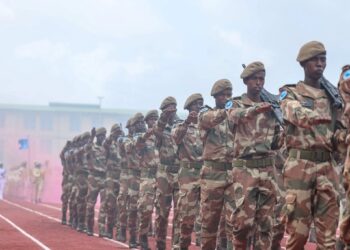
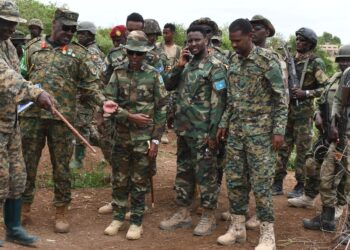
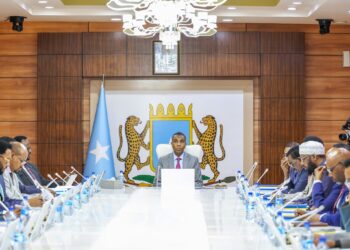
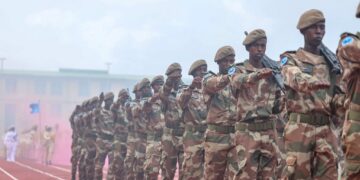
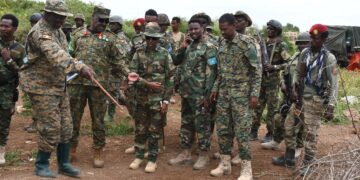
During the trip, Hassan Sheikh is expected to hold consultations with the interim state leadership, traditional elders, commanders from the armed forces and Darawish units, and representatives of civil society. These meetings are intended to focus on regional security, the delivery of public services and the next steps in Somalia’s democratization process.
One of the main political themes of the visit is the government’s push for a one-person, one-vote electoral system. Officials say the discussions in Baidoa will help coordinate that effort at the regional level. At the same time, the meetings are expected to address local concerns tied to stability and governance.
The Baidoa visit comes at a time when Somalia is trying to link security operations with wider state-building goals. As a result, the trip is being presented as part of a broader effort to connect political dialogue, service delivery and national reform in one of the country’s most important regional capitals.