











The question of whether Africa can build a 21st-century governance model that breaks from colonial legacies is more urgent than ever. Many African states still operate systems shaped by colonial rule, even decades after independence. These systems often limit innovation and weaken public trust. Therefore, rethinking governance has become a critical task for the continent.
Africa today has the talent, youth, and economic ambition to shape new models. However, building a truly autonomous governance system requires political will, institutional creativity, and a shared continental vision. This debate goes beyond politics; it shapes Africa’s future in the global order.
Old structures cannot solve modern problems
Many colonial-era institutions were designed for extraction, not representation. They centralized power, weakened local authorities, and prioritized control over service delivery. However, modern African societies demand inclusive leadership, digital governance, and citizen accountability.
African scholars, including those writing in regional policy journals, note that inherited institutions often struggle to meet these expectations. External analysis from global governance think tanks also highlight how over-centralization continues to hinder reform. Together, these sources show why many African states struggle to adapt to 21st-century challenges.
Moreover, young Africans increasingly question the legitimacy of outdated structures. They call for decentralization, stronger justice systems, and transparent public spending. This pressure reveals a growing appetite for home-grown solutions.
Building new models through innovation and local wisdom
Despite challenges, Africa shows rising potential to design new governance models. Rwanda’s performance-based administration, Kenya’s devolution system, and Botswana’s hybrid institutions offer valuable examples. These models combine tradition, technology, and modern statecraft.
Digital tools also open new pathways. They improve public services, track budgets, and expand civic participation. Therefore, technology can help Africa bypass old barriers and build more accountable systems.
Furthermore, Africans increasingly value indigenous governance traditions. Councils of elders, community mediation, and consensus-based leadership still play influential roles. When formal institutions integrate these traditions, governance becomes more grounded and trusted.
However, critics argue that local models may be too diverse to apply across the continent. While this is true, diversity is not a weakness. It allows each country to craft unique systems while embracing shared continental principles like transparency, participation, and justice.
The path forward: Vision, leadership, and continental cooperation
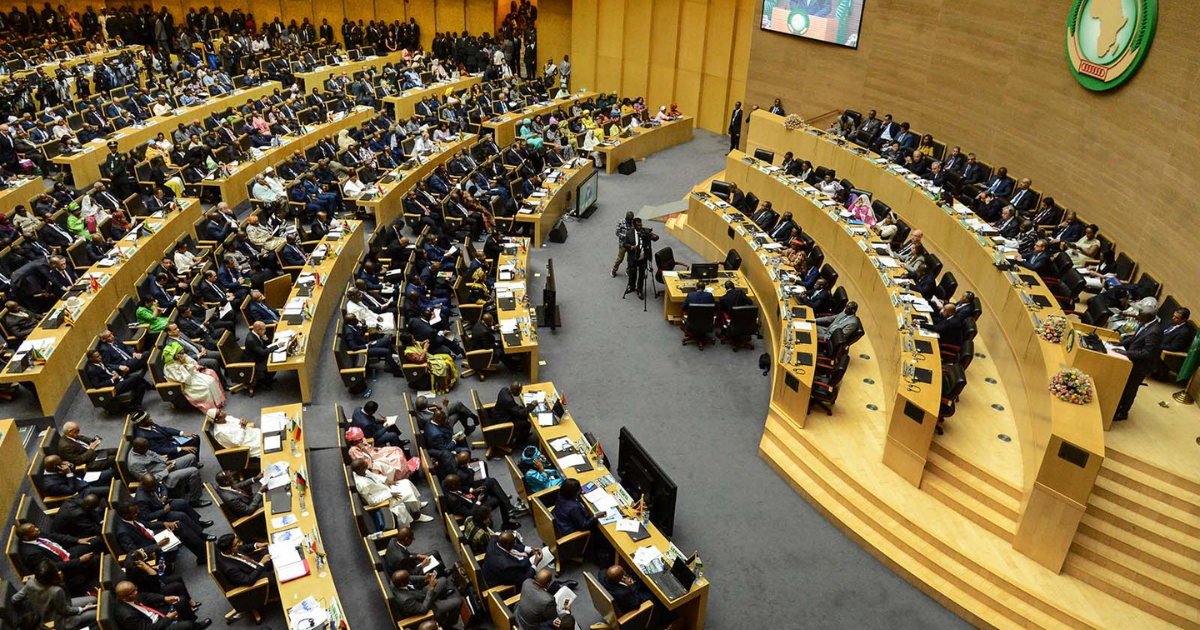
Africa can build a 21st-century governance model that breaks from colonial legacies, but the path requires coordinated action. African Union reforms, regional integration, and intra-African policy exchanges can accelerate change. Meanwhile, stronger leadership pipelines and civic education can empower future decision-makers.
Additionally, Africa must reduce overreliance on external templates. International partners can support reform, but African priorities should guide design. This shift strengthens sovereignty and builds confidence in local institutions.
Therefore, the challenge is not capacity but commitment. With unified vision and sustained reform, Africa can redefine governance for the modern era.
Conclusion: A call to reimagine African governance
Africa has the potential to build a 21st-century governance model that breaks from colonial legacies. The continent’s youth, creativity, and diverse traditions offer a solid foundation. However, achieving this goal requires bold leadership, regional cooperation, and a clear break from outdated structures.
African states must redesign governance systems that reflect their realities and aspirations. The future will belong to nations that embrace innovation, accountability, and local wisdom. Now is the time for Africa to shape a governance model that serves its people and inspires the world.