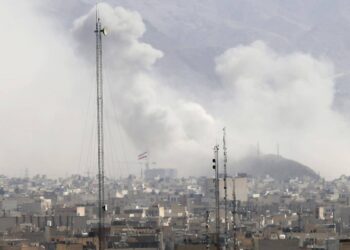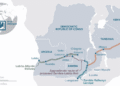











More than 1,000 people have died across southern and south-eastern Asia after powerful cyclones intensified seasonal monsoon rains, triggering widespread flooding and landslides. Several countries, including Indonesia, Sri Lanka, Thailand, Malaysia, and Vietnam, are struggling to respond as damage assessments continue.

Indonesia Faces Heavy Losses and Mass Displacement
Indonesia has recorded some of the highest casualties. Floods that began a week ago have left 502 people dead and over 500 missing. Close to 300,000 residents have been displaced, while nearly 3,000 homes have been damaged or swept away.
Scenes from Sumatra showed residents climbing over debris, flooded streets, and shattered barricades to reach food, medicine, and fuel. Police were deployed after reports of looting in several neighborhoods. According to officials, some residents panicked before aid arrived.
Indonesia’s meteorology agency described the formation of Cyclone Senyar near the Strait of Malacca as “rare,” though increasingly common over the past five years. Experts say Indonesia’s position near the equator typically reduces cyclone formation, but warming oceans are now providing more energy for severe storms.
Sri Lanka Hit by Its Worst Weather in 20 Years
Sri Lanka is mourning 355 deaths after Cyclone Ditwah and heavy monsoon rains triggered deadly floods and landslides. More than 1.3 million people have been affected nationwide.
Officials say it is the country’s most destructive weather event in two decades. Rescue efforts are still uncovering damage in the central region, where roads have only recently been cleared. Nearly 148,000 people have been moved into temporary shelters.
President Anura Kumara Dissanayake has declared a state of emergency and vowed to rebuild with international support, calling the disaster “the largest and most challenging” in the country’s history.
Thailand Reports Rising Death Toll
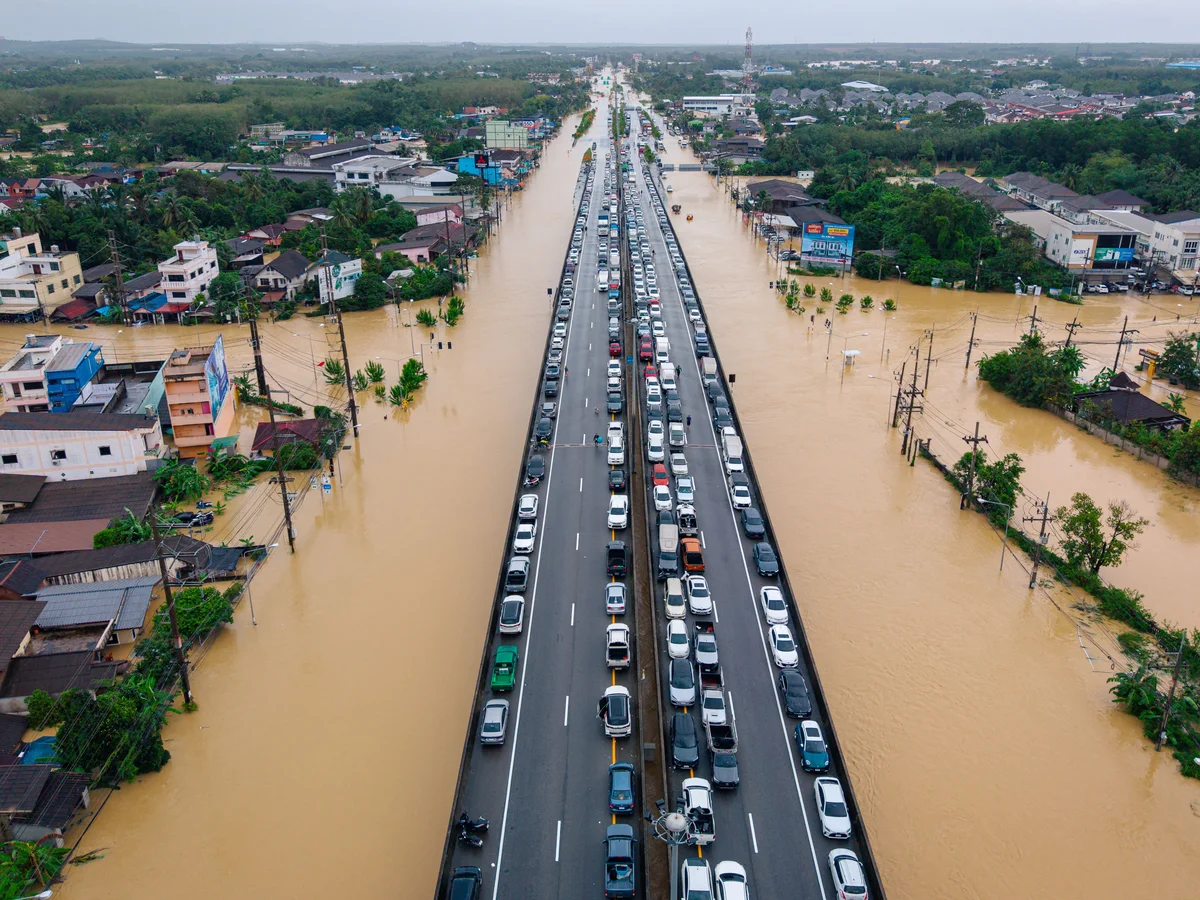
Thailand’s public health ministry confirmed 170 deaths as floods continue across southern provinces. The government has promised compensation for affected families, though criticism has grown over the speed and effectiveness of the response. Two local officials have already been suspended over alleged failures during the crisis.
Vietnam and Malaysia Also Affected
Vietnam has reported three deaths, with storms sinking two boats amid strong winds. Continuous rains have flooded historic and tourist areas along the central coast, causing extensive financial losses. Additional rainfall of up to 150mm is forecast for regions still recovering from earlier floods.
In Malaysia, at least two people died as floods submerged large parts of Perlis state. About 18,700 residents remain in evacuation centres.
Regional Governments Step Up Relief Efforts
Indonesian President Prabowo Subianto visited North Sumatra, saying the government’s priority is to deliver emergency supplies to isolated communities. Ships, aircraft, and helicopters have been deployed to reach remote villages where roads remain inaccessible.
Meanwhile, Sri Lanka, Thailand, and Malaysia have mobilized police, military units, and local emergency teams to distribute food, clear blocked routes, and relocate displaced families.
A Season Marked by Extreme Weather
This wave of disasters adds to a growing list of deadly weather events across Asia. Last month, two typhoons struck the Philippines in quick succession, killing at least 242 people. Scientists warn that climate change is intensifying storms and increasing the likelihood of extreme rainfall, as a warmer atmosphere carries more moisture.
As Southeast Asian nations continue rescue and recovery efforts, authorities say the full extent of the damage will only become clear in the coming weeks.