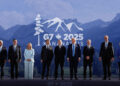




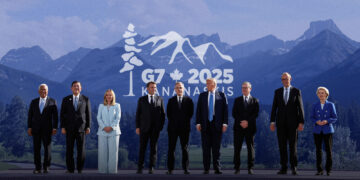









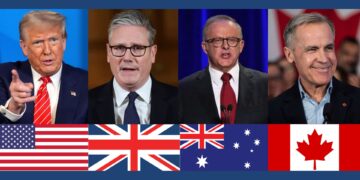















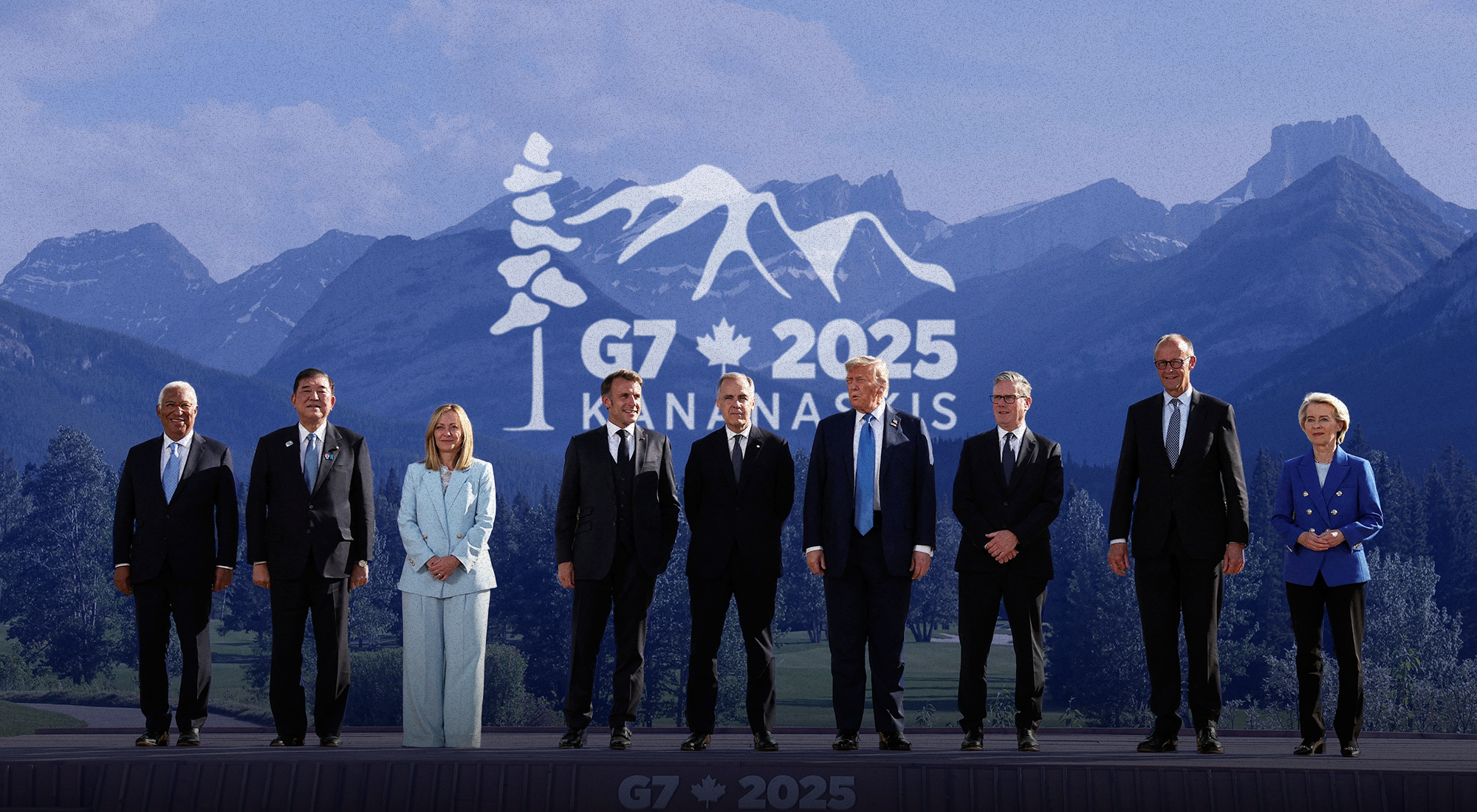
The energy market took center stage on Monday as Group of Seven ministers pledged to take “all necessary measures” to stabilize supplies and contain the economic fallout from the war involving Iran. Meeting under France’s presidency, G7 economy, energy and finance ministers, along with central bank governors, said they were ready to act in close coordination with partners to preserve both market stability and energy security.
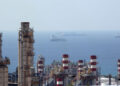
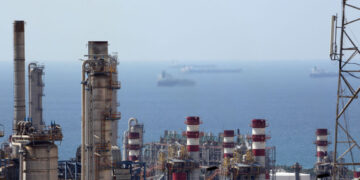
The pledge came as the Middle East conflict continued to disrupt oil and gas flows. Since U.S.-Israeli strikes on Iran began in late February, Tehran has responded by targeting crude-exporting states in the region and halting most shipments through the Gulf. That squeeze has pushed oil and gas prices sharply higher and created wider pressure on global supply chains, inflation and financial markets.
Energy market fears drive coordinated G7 response
In their joint statement, the ministers said they recognized the importance of coordinated international action to reduce spillover effects and protect macroeconomic stability. They also urged all countries to avoid unjustified export restrictions on hydrocarbons and related products, warning that new barriers could worsen an already fragile supply environment.

French Finance Minister Roland Lescure, who chaired the meeting, said the crisis in the Gulf was already producing energy, economic, financial and potentially inflationary consequences. He argued that governments needed to respond quickly but in a targeted way, especially as the burden of higher prices spread across sectors and households. France has already announced support measures for fishing, agriculture and transport.
Pressure grows for faster intervention
The G7’s latest statement follows earlier discussions about emergency energy tools, including strategic oil stock releases. The International Energy Agency has already released 400 million barrels from strategic reserves, and Japan has urged the G7 to prepare more flexible measures if instability persists.
For now, the group has stopped short of announcing new direct intervention. Still, the message was clear: the energy market remains under severe strain, and the G7 wants to show that it is prepared to move together if supply disruptions deepen further. That signal matters because markets are not only reacting to lost barrels or delayed cargoes. They are also reacting to the fear that the conflict could drag on and keep global prices elevated for months.