






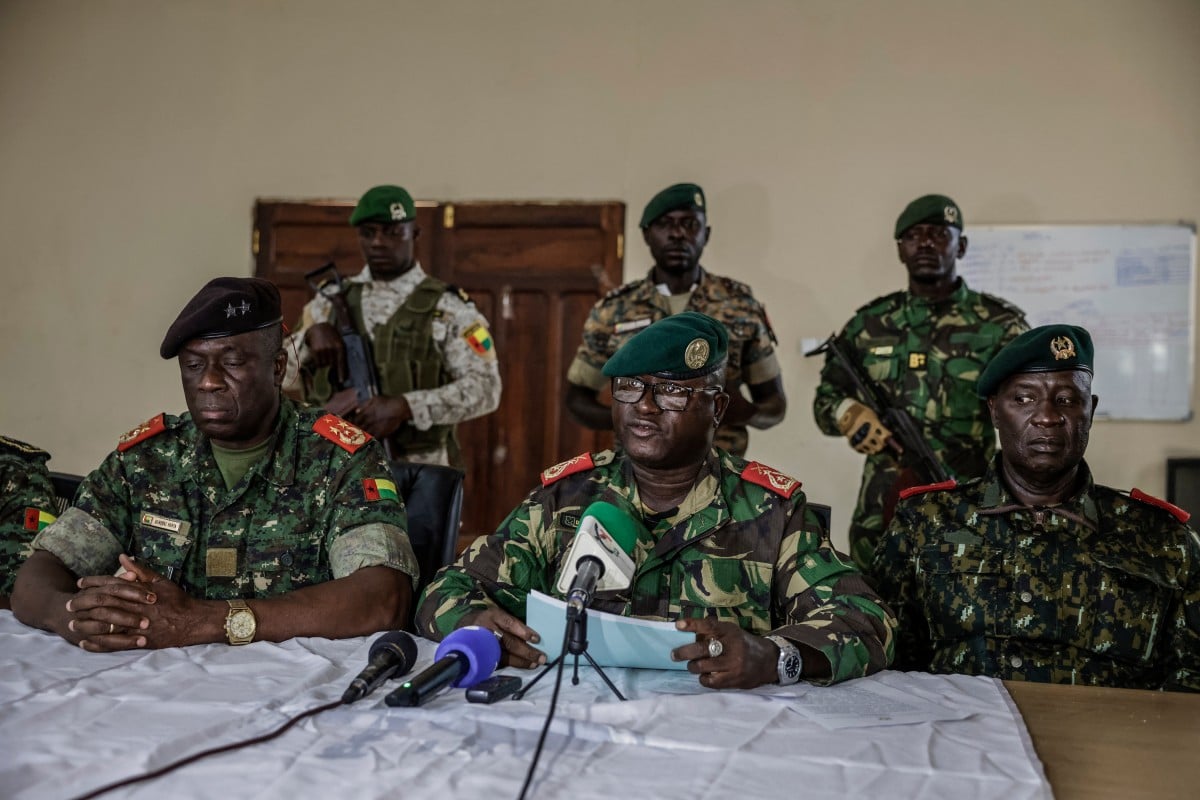
Military officials in Guinea-Bissau named a new leader on Thursday, one day after seizing power in the country’s latest military coup. The army said it took control to protect national stability following a disputed presidential election.

General Horta Nta Na Man Takes Charge
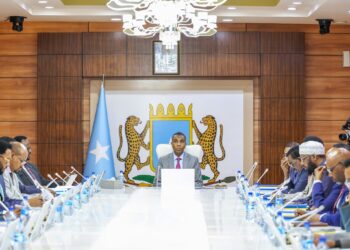
General Horta Nta Na Man was appointed head of a one-year transitional government at noon Thursday. In a televised statement, he said the army intervened because of “threats to stability” and attempts to “manipulate electoral results.”
On Wednesday, soldiers arrested President Umaro Sissoco Embalo just hours before the expected release of results from a tense weekend vote. Both Embalo and opposition candidate Fernando Dias had claimed victory.
Election Dispute Sparks Coup
The electoral commissioner, Dias, and several senior military officials were also detained.
Army officers appeared on national TV, saying they acted to block efforts to tamper with the vote.
The coup adds to a wave of recent military takeovers in West Africa, a trend that has strained relations with the Economic Community of West African States (ECOWAS). ECOWAS and the African Union condemned the move, noting that the election had been peaceful and well-monitored.
Gunfire and Chaos in the Capital
Gunfire erupted Wednesday afternoon near the presidential palace in Bissau. Soldiers later appeared on state TV, claiming they had uncovered a plot involving local politicians, a “well-known drug lord,” and foreign nationals.
Brig. Gen. Denis N’Canha, formerly head of the presidential guard, led the takeover.
“The man supposed to protect the president has put him under arrest,” an Al Jazeera correspondent reported from Senegal.
The military announced the creation of a High Military Command for the Restoration of Order, suspended state institutions, shut borders, imposed a curfew, and halted the electoral process and media coverage.
The Associated Press reported that roads to the palace were blocked by masked, heavily armed soldiers. Gunshots were also heard near the National Electoral Commission.
Who Has Been Detained?
President Embalo told French media he was arrested in his office and has since been “deposed.” The military has not disclosed his location.
Jeune Afrique reported that the army chief of staff, his deputy, and the interior minister were also arrested and taken to army headquarters.
Reuters reported that opposition candidate Dias, former Prime Minister Domingos Simões Pereira, and other opposition figures were detained. The PAIGC party confirmed the arrests.
A Longstanding Legitimacy Crisis
Embalo, 53, has faced a prolonged legitimacy battle. He won the 2019 election, but the opposition contested the result, and the Supreme Court recognized him months later.
His presidency has been marked by political infighting, multiple alleged coup attempts, and the dissolution of parliament in December 2023.
Opponents accuse him of using crises to tighten power, delaying elections, and targeting rivals. Tensions increased this year after the PAIGC was barred from the vote on a technicality.
How the Election Unfolded
Sunday’s election was peaceful, though campaigns on both sides were marred by accusations of corruption and hate speech. On Tuesday, both Embalo and Dias declared victory.
The PAIGC said the military coup was an attempt to block the electoral commission from announcing a Dias win. A civil society coalition accused Embalo of staging a “simulated coup” to stop the results from being published.
The group claimed Embalo planned to install an interim government and push for new elections in which he intended to run again.