













































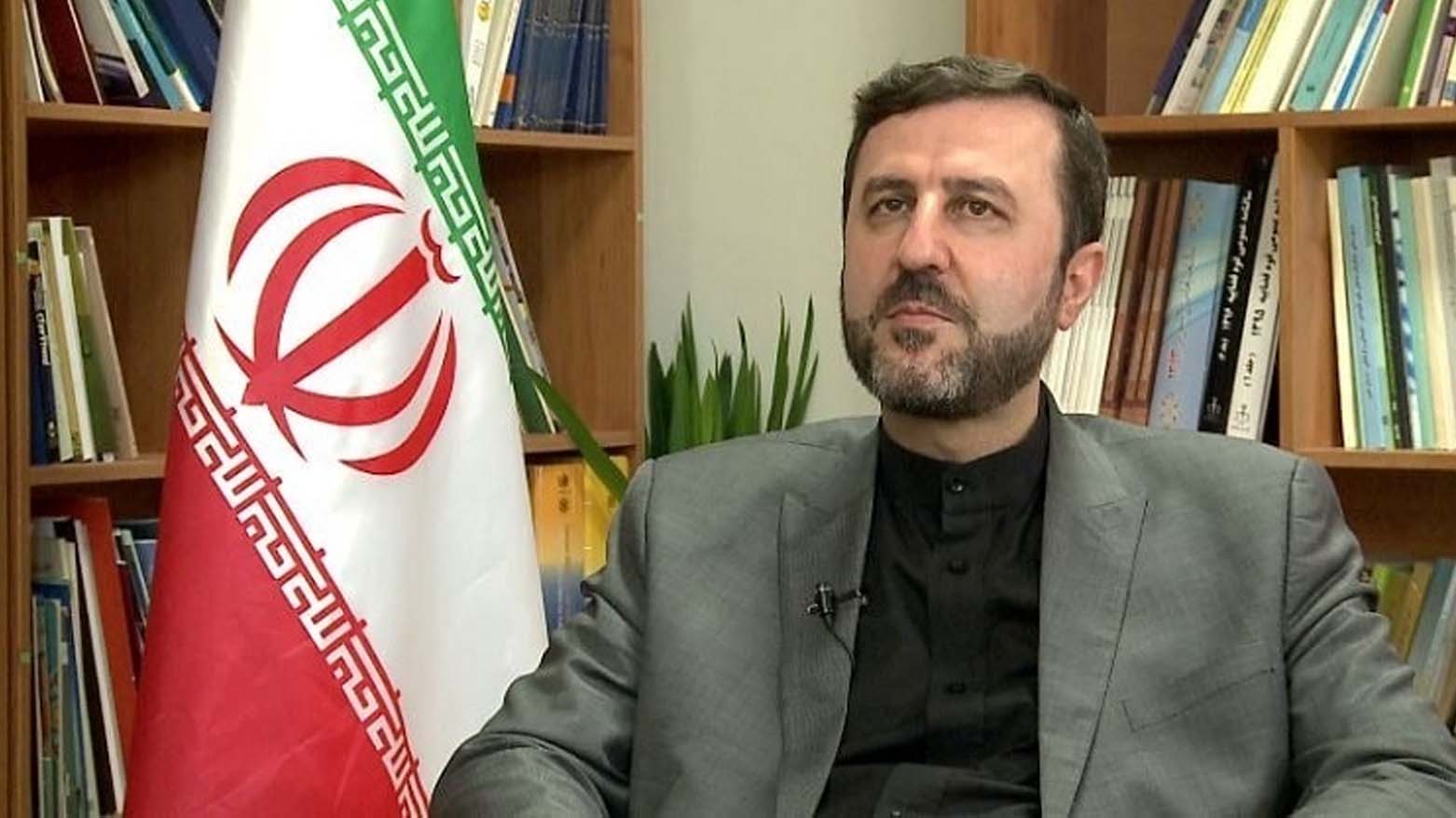
Iran said Thursday it is preparing a Hormuz shipping plan with Oman for the period after the war ends. Tehran said the proposal would supervise ship movements through the Strait of Hormuz but would not restrict traffic.
Deputy Foreign Minister Kazem Gharibabadi said Iran was finalizing the draft internally before opening talks with Muscat. He said the framework would set basic rules for navigation and improve services for vessels using the route. Iran presented the plan as a peacetime arrangement for safety and coordination rather than a new barrier to international shipping.
Hormuz shipping plan would focus on postwar traffic
Iran said the protocol would only apply after the current conflict with the United States and Israel ends. According to Iranian officials, the aim is to organize vessel movement and make passage safer through one of the world’s most important energy corridors.



Gharibabadi said oversight would not mean restrictions. Instead, he said, the proposed framework would facilitate movement and offer better support to ships crossing the strait. That message appears designed to calm concerns that Iran wants to formalize tighter control over the route.
Oman has not confirmed negotiations
Oman has not announced any formal talks on the proposal. However, Omani Foreign Minister Badr Albusaidi said last month that Muscat was working intensively on safe-passage arrangements for the Strait of Hormuz. That earlier statement suggests Oman remains engaged in wider efforts to reduce disruption around the waterway.
The Strait of Hormuz remains central to global energy flows because a large share of the world’s oil and gas exports passes through it. Under international law, the route is open to international shipping. Even so, the current war has severely disrupted traffic, and Iran has effectively halted most movement through the strait while also advancing plans to impose tolls on ships.
For now, Iran’s announcement signals an effort to shape the postwar order in the Gulf. Yet the proposal also reflects a broader reality: shipping through the strait will remain tied to diplomacy, regional security and the outcome of the war itself. As long as the conflict continues, any long-term navigation framework is likely to remain provisional.