












Ukraine aid from European allies is playing a larger role as peace efforts over Russia’s war continue. A House Armed Services Committee hearing on March 18 highlighted that shift, as U.S. and allied officials stressed the need to keep Ukraine armed while diplomacy remains uncertain.
The original draft refers to a “Pearl Initiative,” but the program is officially known as the Prioritized Ukraine Requirements List, or PURL. It pools allied money to buy American weapons and equipment for rapid delivery to Ukraine. By February, allies had pledged more than $4.5 billion through the effort, and more than 20 countries had joined.
Ukraine aid through PURL gains momentum
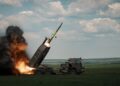
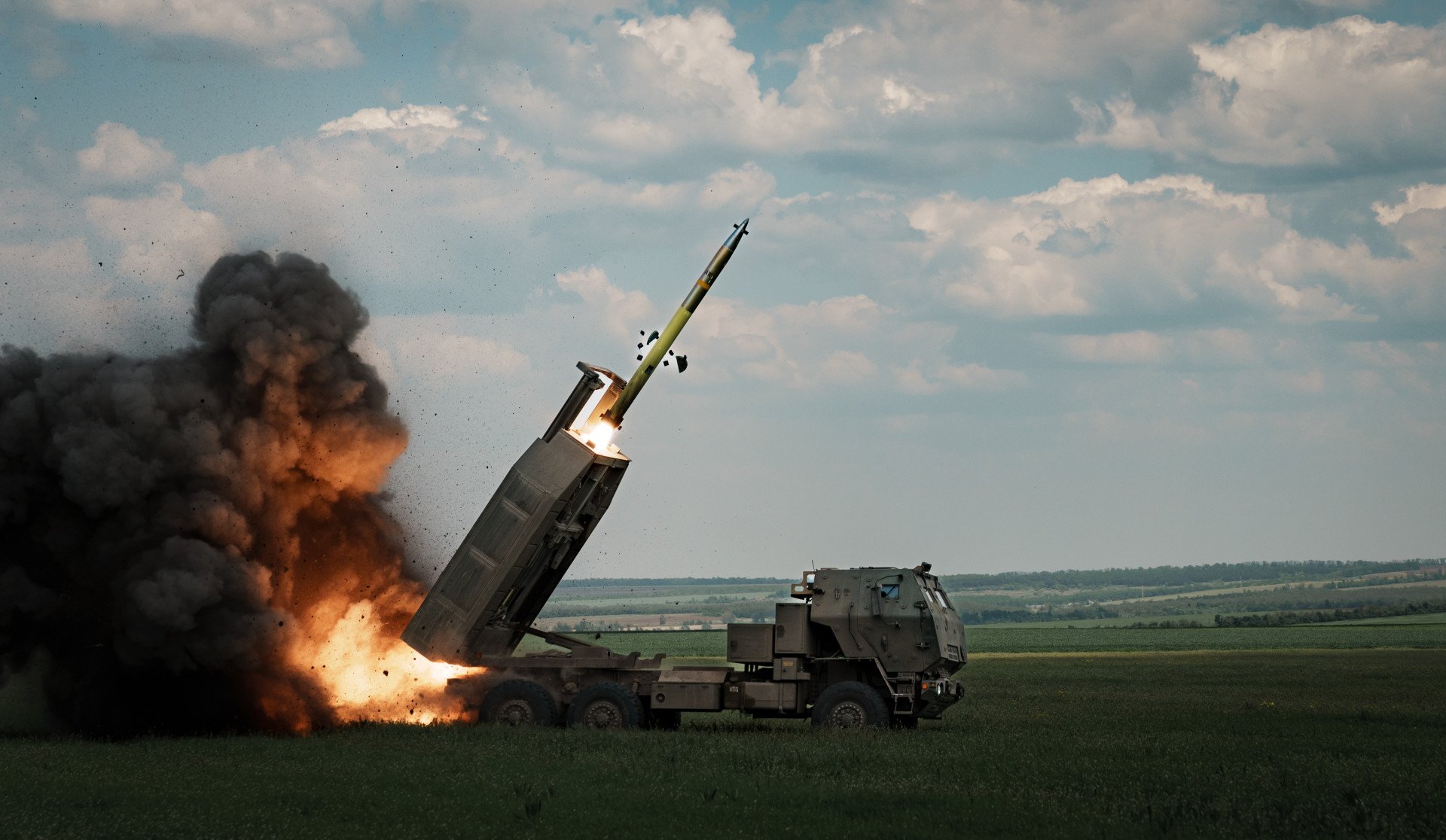
PURL was created to keep U.S.-made weapons flowing to Ukraine while Washington pressed Europe to take on more of the burden. NATO allies have used the mechanism to fund air defense systems, missiles, ammunition and other urgent battlefield needs. The initiative has expanded steadily since mid-2025.
The program has drawn support from several European governments. Major pledges from countries such as Germany, the Netherlands and Nordic-Baltic partners helped build momentum. As a result, PURL has become a key channel for moving weapons to Kyiv without directly draining U.S. stockpiles.
Hearing underscores Europe’s role
At the March 18 hearing, Daniel Zimmerman appeared before the House Armed Services Committee as assistant secretary of defense for international security affairs. The hearing focused on U.S. military posture and security challenges in Europe. That setting underscored how closely Ukraine’s battlefield needs now tie into broader allied planning.
European support has become more important as the Trump administration pushes for a negotiated settlement while limiting direct new U.S. arms commitments. Instead, Washington has leaned more heavily on allies to fund and organize deliveries. Therefore, PURL now sits at the center of that approach.
Peace talks remain uncertain
Even with new Ukraine aid, diplomacy remains fragile. Peace efforts have not yet brought the war closer to a durable settlement. Russia continues to resist key proposals, while fighting and aerial attacks have continued.
That makes allied weapons support politically important as well as militarily useful. European governments want Ukraine to negotiate from a stronger position, not from exhaustion. In that sense, PURL is shaping both Kyiv’s defense and the wider Western strategy toward the war.
In the near term, the key question is whether PURL can deliver quickly enough to match Ukraine’s urgent needs. The answer will influence not only the battlefield, but also the credibility of any future peace framework.