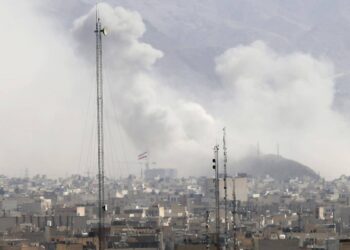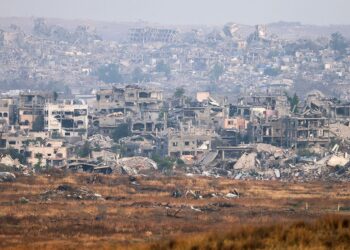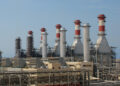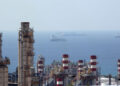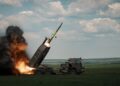











Gulf energy attacks escalated after Iran said its strikes on infrastructure across the Gulf were retaliation for Israeli attacks on South Pars, its largest gasfield. The new phase of the conflict has pushed the war closer to the region’s energy heart and raised fears over oil flows, shipping and civilian safety.
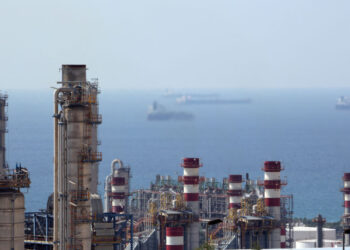
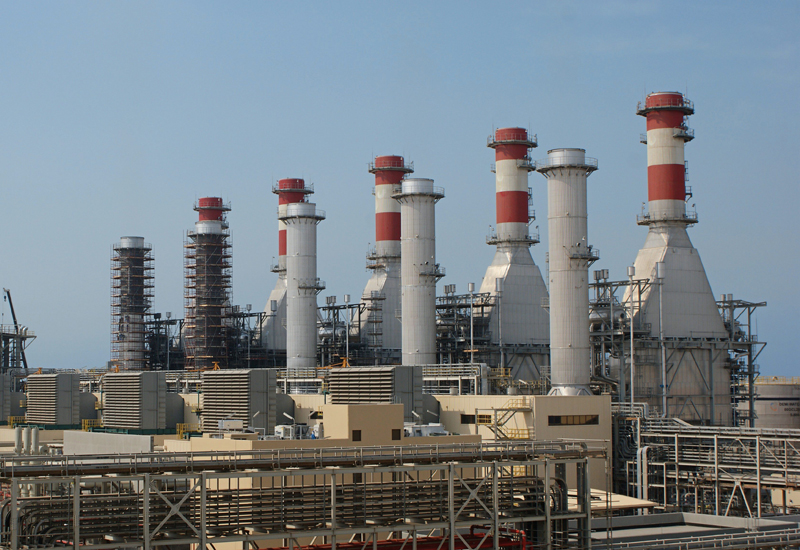
Iran’s Revolutionary Guards threatened counterstrikes on energy facilities in Saudi Arabia, the United Arab Emirates and Qatar “in the coming hours.” Tehran linked that warning to Israeli strikes on gas facilities at South Pars on Wednesday, a major part of the world’s largest known gas reserve.
Gulf energy attacks follow South Pars strike
The retaliation marked a clear shift in the conflict. Until now, the war had centered more heavily on military and security targets. However, the strike on South Pars and Iran’s response widened the confrontation to strategic energy infrastructure.
Iran argued that the attacks were a direct answer to Israeli action against its gas sector. Gulf states, meanwhile, protested damage or threats to civilian and commercial sites and warned against further escalation.
Energy war fears spread across the Gulf
The Strait of Hormuz remains at the center of market concerns. Any threat to ports, tankers or production sites in the Gulf can quickly affect energy prices and global trade.
As a result, traders reacted sharply to the latest developments. Oil prices climbed as investors weighed the risk of broader disruption to exports, shipping lanes and insurance costs.
Regional defenses face growing pressure
Gulf countries have reinforced air defenses and worked to protect key infrastructure. Even when interceptors stop incoming drones or missiles, debris can still damage facilities and disrupt operations.
Therefore, the attacks have raised pressure on governments across the region. They now face the challenge of protecting export routes while trying to avoid deeper military involvement.
Reports point to U.S. coordination
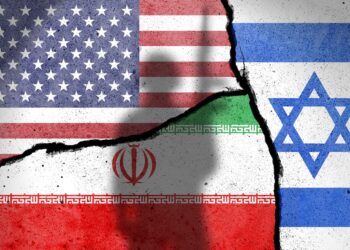
The South Pars strike also intensified scrutiny of Washington’s role. Israeli media reports said Israel carried out the operation with U.S. consent, adding to regional anger and increasing the risk of a wider confrontation.
That claim matters because it shapes how Tehran presents its retaliation. Iran is framing the crisis not only as a response to Israel, but also as part of a broader confrontation involving the United States.
Global risks keep rising
If the Gulf energy attacks continue, the economic fallout could widen quickly. A prolonged campaign against gasfields, ports and shipping lanes would add fresh strain to energy markets and could lift costs for consumers around the world.
For now, the conflict has entered a more dangerous stage. What began as a military clash now threatens the infrastructure that powers much of the global economy. Verified against current reporting on the South Pars strike, Iran’s retaliation threats, and prior U.S.-Israeli coordination claims.