




































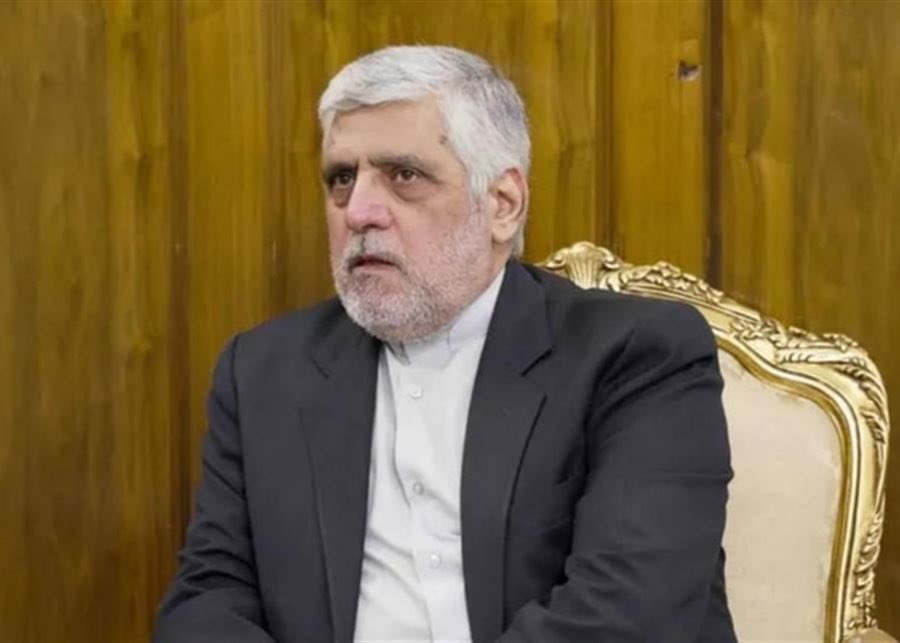
The Iran envoy standoff deepened on Monday after Tehran said its ambassador to Lebanon would remain in Beirut despite an expulsion order from the Lebanese Foreign Ministry. The dispute has become a new flashpoint in Lebanon’s already fragile political balance as war continues between Hezbollah and Israel.

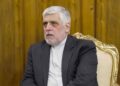
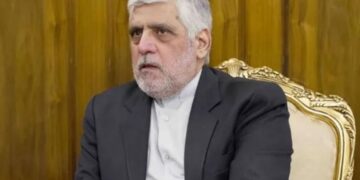
Last week, Lebanon formally withdrew accreditation from ambassador-designate Mohammad Reza Shibani and ordered him to leave by March 29. Lebanese officials said he had violated diplomatic norms by making statements about Lebanon’s internal politics. However, after the deadline passed, Iran said he would continue his work in Beirut.
Iranian Foreign Ministry spokesperson Esmail Baghaei said the decision followed discussions with relevant Lebanese parties. He said the ambassador would stay in post and remained present in the Lebanese capital. The Lebanese Foreign Ministry had not issued a new public statement by Monday and did not immediately respond to fresh requests for comment.



Iran envoy dispute reflects deeper Lebanon tensions
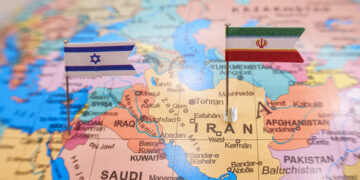
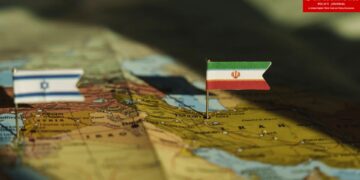
The diplomatic clash is tied to a wider confrontation over Hezbollah’s role in the regional war. Lebanon was drawn deeper into the conflict after Hezbollah entered the fighting following the U.S.-Israeli war on Iran. Since then, Israeli attacks on Lebanon have intensified, killing more than 1,200 people and displacing over 1 million, according to the reports cited in current coverage.
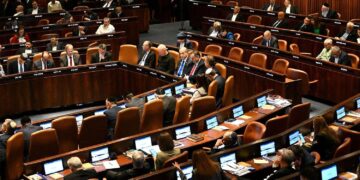
Prime Minister Nawaf Salam has criticized Hezbollah for acting without regard for most Lebanese and has moved to ban its military wing. That position has widened internal pressure on the group and on Iran’s role in Lebanon. At the same time, Parliament Speaker Nabih Berri, a powerful Shiite leader allied with Hezbollah, opposed the Foreign Ministry’s decision and reportedly urged that Shibani remain.
For now, the Iran envoy dispute shows how difficult it remains for Lebanon’s government to enforce sovereign decisions when regional alliances and domestic power centers pull in different directions. Instead of closing the diplomatic issue, Tehran’s refusal has exposed Lebanon’s internal divisions even more clearly.