






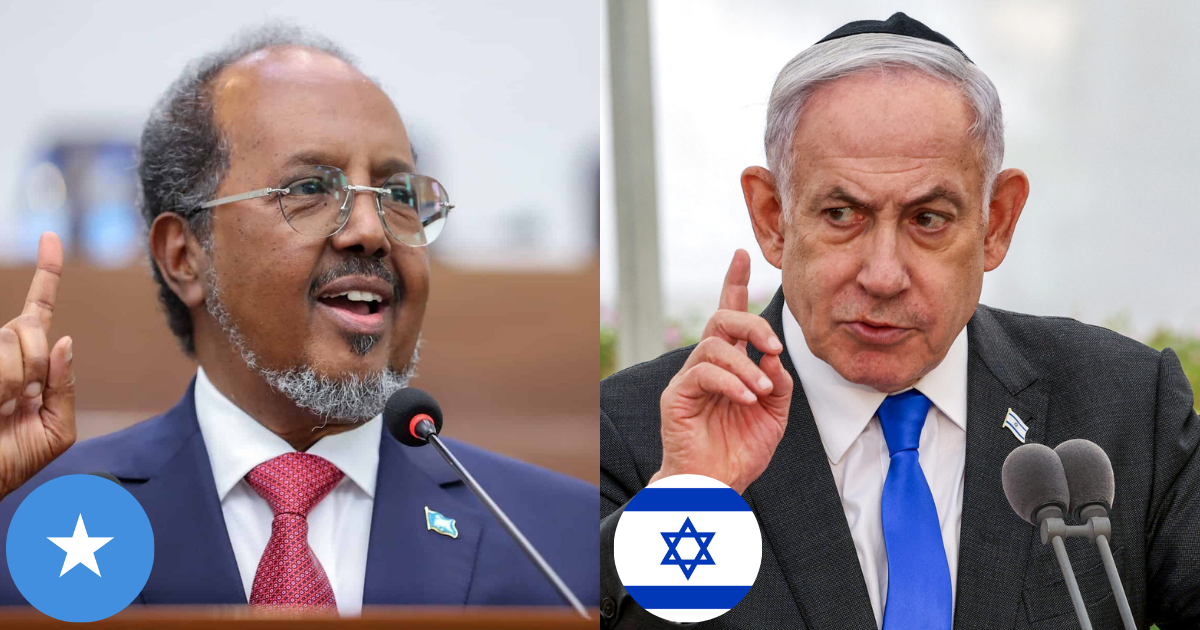
Israel’s decision to recognise Somaliland as an independent state on December 26, 2025, has triggered strong international condemnation and increased geopolitical tensions. Israel became the first country to formally recognise the breakaway region, a move that Somalia and many other nations say undermines state sovereignty and regional stability.
Historic recognition draws swift opposition
Israeli Prime Minister Benjamin Netanyahu announced the formal recognition of Somaliland, signing a mutual declaration with Somaliland’s President Abdirahman Mohamed Abdullahi and launching diplomatic relations. Israel highlighted planned cooperation in areas such as agriculture, health, technology and the economy.
Despite that, the move prompted immediate rejection from Somalia’s federal government, which labelled it a violation of its territorial integrity and a deliberate attack on sovereignty. Somalia has demanded that Israel reverse its decision.
Regional and global condemnation
Several regional organisations and governments denounced the recognition. The African Union reaffirmed that Somaliland is an integral part of Somalia and warned that unilateral recognition sets a dangerous precedent for African borders.
The Arab League denounced the move as a breach of international law and a threat to regional peace, while the Gulf Cooperation Council echoed similar concerns about sovereignty and stability.
Foreign ministers from more than 20 countries—including Egypt, Algeria, Jordan, Saudi Arabia, Pakistan, Iran, Nigeria, Qatar, Turkey and Yemen—joined the Organization of Islamic Cooperation (OIC) in a joint statement condemning Israel’s action and backing Somalia’s territorial integrity.
Major powers affirm support for Somalia’s unity
China also rejected Israel’s recognition, stressing its support for Somalia’s territorial unity and opposing any external backing for separatist movements. Beijing said such moves threaten regional stability and international law.
The European Union issued a statement affirming support for Somalia’s sovereignty and encouraged dialogue between Mogadishu and Hargeisa, while the United States underlined that Washington will continue to recognise Somalia’s territorial integrity and has no intention of following Israel’s lead.
Somalia seeks diplomatic avenues
Somalia has formally requested an emergency meeting of the United Nations Security Council to address the recognition, viewing it as an unprecedented challenge to its sovereignty and to international law.
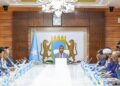
Somali President Hassan Sheikh Mohamud condemned the move in an emergency parliamentary session, describing it as an existential threat to national unity. Lawmakers passed a resolution declaring Israel’s recognition “null and void” under international law.
Somaliland reaction and internal dynamics
Somaliland’s leadership welcomed the recognition as historic and a step toward broader international acceptance. Supporters in Hargeisa celebrated the announcement, while critics warned of potential long-term risks and increased regional tensions.
Somaliland declared independence from Somalia in 1991 following civil conflict but has never achieved wide international recognition until now. Its strategic location near the Gulf of Aden and Red Sea makes the region geopolitically significant, drawing interest from global powers.
Potential implications for regional stability
Many analysts and governments fear this recognition could destabilise the Horn of Africa and undermine efforts to uphold internationally recognised borders inherited at decolonisation. The African Union’s principle of uti possidetis—respecting colonial-era boundaries—remains central to preventing widespread separatist movements across the continent.
As condemnation grows from Africa, the Arab world, the OIC, and major global powers, Israel’s move has become a flashpoint in international diplomacy and highlights the complexities of sovereignty, recognition, and regional peace.