









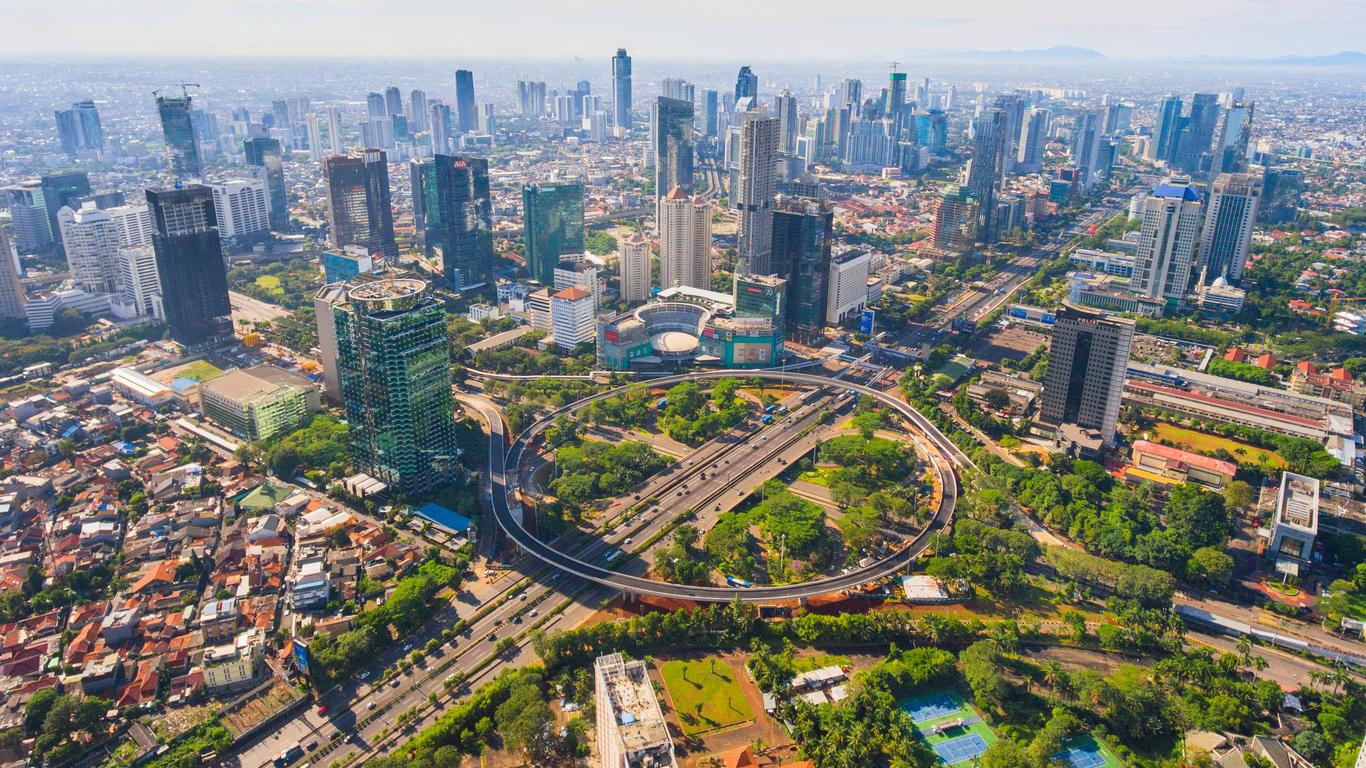
Indonesia’s capital, Jakarta, is now the world’s largest city, according to a new United Nations report. The city’s population has reached 41.9 million, pushing Bangladesh’s Dhaka and Japan’s Tokyo to lower positions.
Dhaka Rises, Tokyo Declines
Dhaka is now the second-largest city with 36.6 million residents. It climbed from ninth place in the previous UN assessment.
Tokyo, once the world’s biggest city, now ranks third with a population of 33.4 million. The city’s population has remained stable for years, causing its drop in ranking.
The UN projects that Dhaka will become the world’s largest city by 2050 if current trends continue.
Asia Dominates the List of Megacities
The World Urbanization Prospects 2025 report highlights the rapid growth of Asian megacities. Asia is home to 19 of the world’s 33 megacities, and nine of the top 10.
The top Asian megacities include:
- New Delhi, India – 30.2 million
- Shanghai, China – 29.6 million
- Guangzhou, China – 27.6 million
- Manila, Philippines – 24.7 million
- Kolkata, India – 22.5 million
- Seoul, South Korea – 22.5 million
Egypt’s capital Cairo, with 32 million people, is the only non-Asian city in the global top 10.
Urban Growth Around the World
Sao Paulo in Brazil remains the largest city in the Americas with 18.9 million people.
Lagos in Nigeria continues to expand rapidly and is now the largest city in sub-Saharan Africa.
The UN report shows a major rise in urbanization. The number of megacities has increased from eight in 1975 to 33 today.
Climate Pressures Fuel Migration
Dhaka’s fast growth is partly driven by migration from rural areas. Many people are moving to the city in search of jobs or fleeing climate-related disasters such as flooding and rising sea levels.
Jakarta faces similar threats. Experts warn that up to 25% of the city may be underwater by 2050.
This crisis has pushed Indonesia to build a new capital, Nusantara, in East Kalimantan on the island of Borneo.
Jakarta Still Set to Grow
Despite the government’s plan to relocate its administrative capital, Jakarta’s population is expected to increase by another 10 million by 2050.
Residents continue to struggle with inequality and high living costs, issues that sparked mass protests earlier this year.
Other Cities Facing Pressure
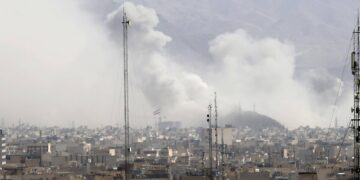
Iran’s capital Tehran, home to nine million people, is also under stress. The city is close to running out of water and has begun water rationing.
UN Introduces New Measurement System
The UN report also reflects changes in how urban areas are defined.
A “city” is now classified as a contiguous area of one-square-kilometer cells with:
- at least 1,500 people per square kilometer, and
- a total population of 50,000 or more.
This new approach was introduced to reduce inconsistencies between countries’ definitions of urbanization.