










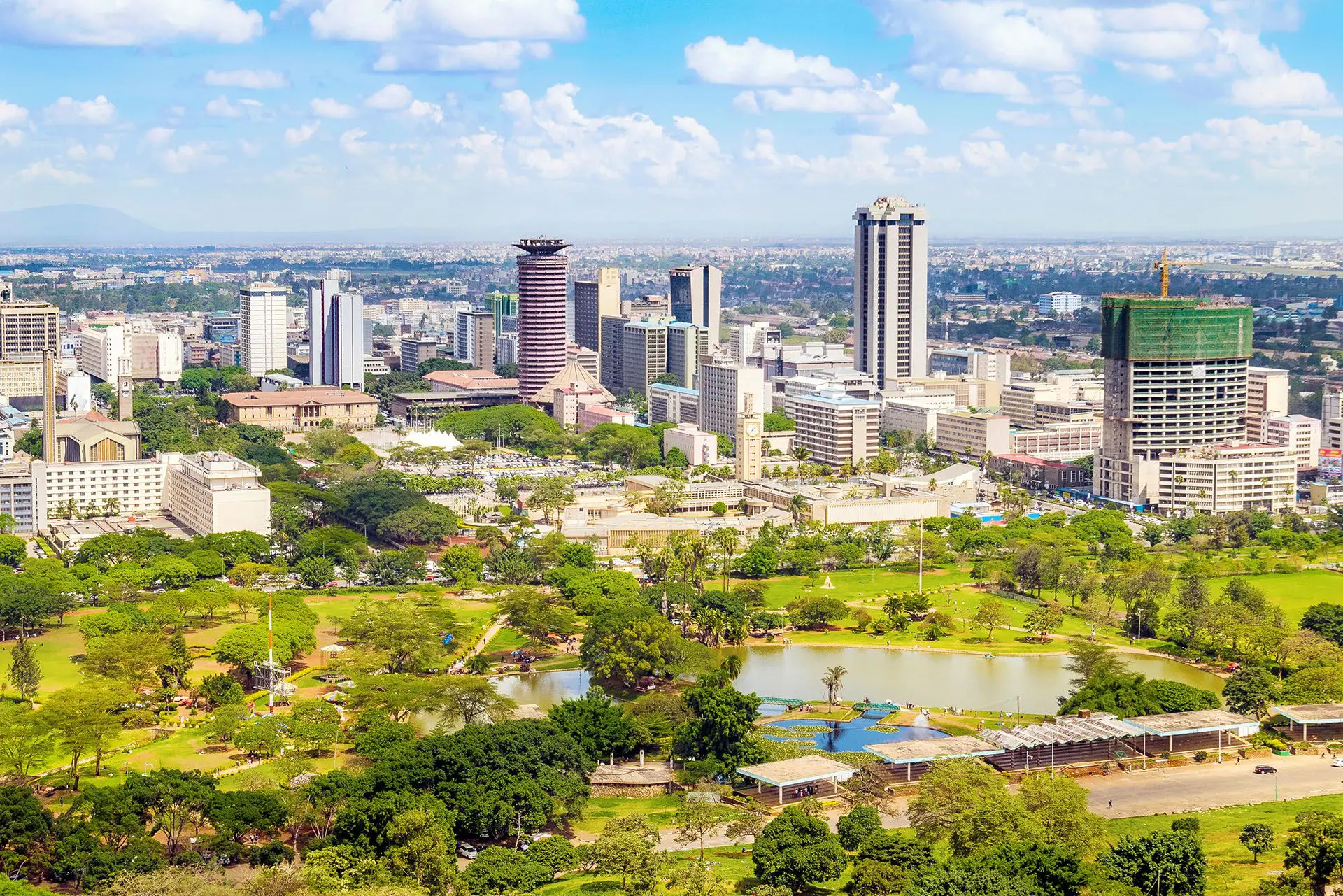
Kenya is poised to overtake Ethiopia as East Africa’s biggest economy in 2025, according to new projections from the International Monetary Fund (IMF). The forecast signals a major shift in the region’s economic landscape, driven by differing policy choices and financial conditions in both countries.
Kenya’s GDP Expected to Lead the Region
The IMF projects Kenya’s gross domestic product (GDP) will reach $132 billion in 2025. Ethiopia’s economy is expected to follow at $117 billion, reversing years of Ethiopian dominance in regional economic rankings.
This change highlights how recent economic decisions have reshaped growth trajectories across East Africa.
Ethiopia’s Currency Devaluation Fuels Economic Strain
Ethiopia’s government devalued the birr by more than 55% in 2024. The move unlocked $3.4 billion in IMF financing and $16.6 billion from the World Bank to support debt restructuring and stabilization.
However, the sharp devaluation triggered soaring inflation and higher import costs. These pressures have added to the economic challenges caused by internal conflict and recurring climate shocks.
Kenya’s Currency Strength and Economic Resilience
Kenya has shown stronger macroeconomic stability. The Kenyan shilling appreciated by 21% in 2024, making it the world’s best-performing currency that year, according to analysts.
This rise was supported by a successful $1.5 billion Eurobond, record diaspora remittances of $4.94 billion, and growth in agriculture and manufacturing exports. These factors boosted investor confidence and strengthened the country’s external position.
Domestic Challenges Amid Growth
Despite positive indicators, Kenya faced internal unrest linked to the Finance Bill 2024, which proposed sweeping tax reforms. The protests that followed triggered heavy investor losses and led the government to withdraw from a $3.6 billion IMF program.
Even so, Kenya’s diversified economy and stronger market confidence have helped cushion the impact of recent instability.
Regional Context and Changing Economic Positions
For years, Ethiopia held the title of East Africa’s fastest-growing major economy, supported by large infrastructure projects and a rapidly expanding population. But recent financial pressures have exposed weaknesses in its state-led development model.
Kenya, meanwhile, has benefited from an open-market environment, broader revenue streams, and a more stable currency, helping it navigate global economic headwinds.
Outlook for 2025
Both Kenya and Ethiopia continue to face uncertainty due to global inflation, trade tensions, and slowing international growth. However, IMF projections indicate that Kenya is better positioned in the near future.
If current trends continue, Kenya will officially become East Africa’s largest economy in 2025, marking a significant realignment in the region’s economic order.