











































Kenyans missing in Russia have raised new concern after Kenya said 16 of its citizens could not be accounted for after joining the Russian army. The government also said dozens of other Kenyans have returned home, remain in hospitals or are still involved in military operations linked to the war in Ukraine.
Foreign Affairs Minister Musalia Mudavadi told a Senate committee that 16 Kenyans were missing, up from 10 a day earlier. He said it was still unclear whether they were alive or dead. In addition, he said 38 Kenyans were in Russian hospitals under restricted access, while 47 others had already returned home from the front lines.
Kenyans missing as recruitment inquiry expands
Mudavadi said about 165 Kenyans were actively involved in military operations, bringing the total number known to have participated in the conflict to more than 250. He added that the real number could be higher. He also said two Kenyans were being held by Ukraine as prisoners of war.



According to the minister, the recruits had signed contracts for logistics or combat roles. He told lawmakers that many joined knowingly and were drawn by promises of high pay, possible citizenship and a large gratuity at the end of their contracts. Those incentives, he said, played a major role in recruitment.
Kenya investigates overseas recruitment networks
Mudavadi said agencies operating in Kenya, Russia, Qatar and the United Arab Emirates were involved in the recruitment process. Kenya has opened an investigation into what it described as illegal recruitment of its citizens to fight in the war. The government had already shut down more than 600 agencies suspected of misleading Kenyans with promises of jobs abroad.
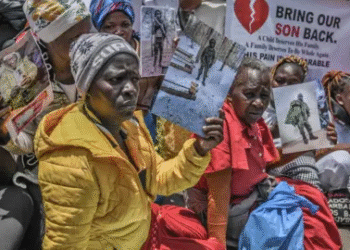
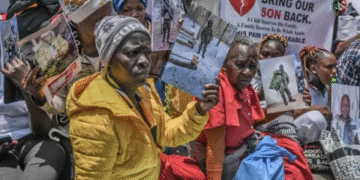
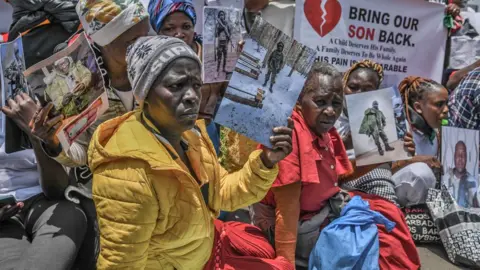
Earlier this year, families of Kenyans believed to be fighting in Ukraine protested outside parliament in Nairobi and demanded government action. In mid-March, Mudavadi met Russian Foreign Minister Sergey Lavrov in Moscow to push for an end to the enlistment of Kenyans into the Russian army. After the talks, both countries said they had agreed to halt recruitment.
The case has highlighted the risks facing Africans drawn into the war through overseas recruitment. For Kenya, the immediate issue is no longer only how citizens were recruited. It is also how many remain missing, injured or trapped far from home.