









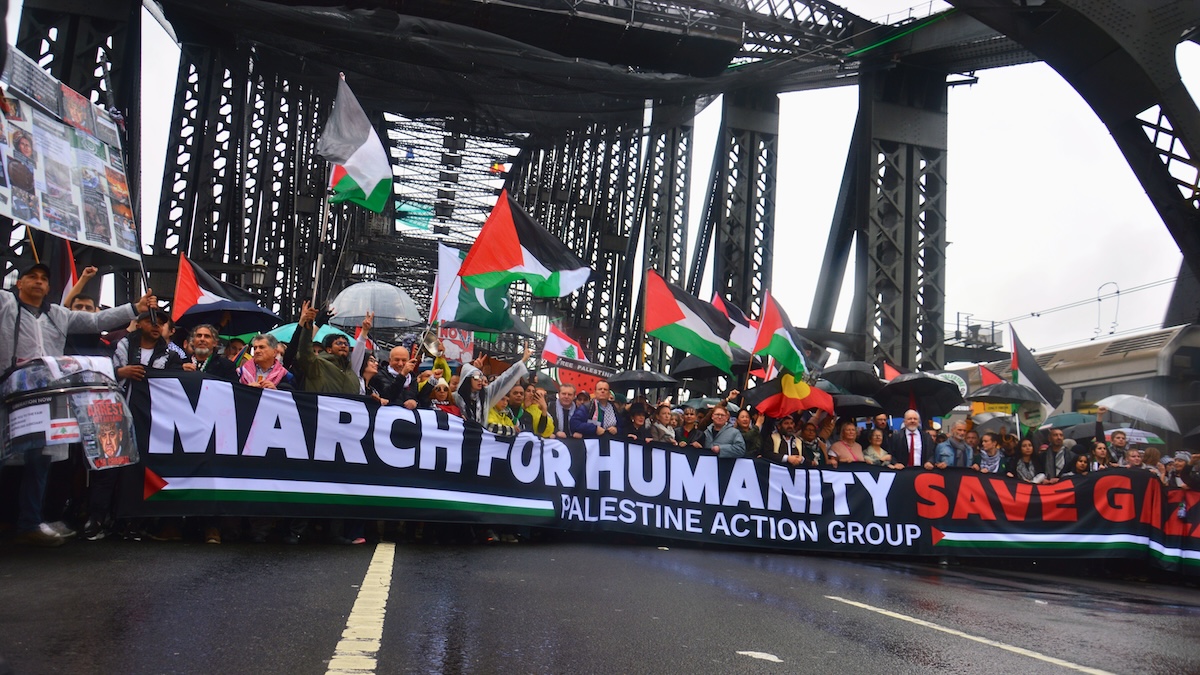
The world has witnessed a surge of pro-Palestine protests since the escalation of violence in Gaza, with millions taking to the streets from London to Jakarta. These demonstrations are not mere expressions of outrage; they represent a growing global movement that is forcing decision-makers to confront their positions on the Israel-Palestine conflict. The question is whether these protests can truly alter political decisions, as similar movements have done in the past.

Protests as Catalysts for Change
History offers powerful lessons on how protests can shift political outcomes. The civil rights marches in the United States forced landmark legislation. Anti-apartheid protests worldwide isolated South Africa and ultimately pressured its leaders to dismantle the racist system. Even the anti-Iraq War demonstrations, though they failed to prevent the 2003 invasion, reshaped political discourse for years afterward. These examples show that mass mobilization can set new terms for political debate, even when governments resist immediate policy change.
The Power of Today’s Movement
The pro-Palestine protests are remarkable for their scale and persistence. Demonstrators demand an end to Israel’s bombardment of Gaza, a halt to arms sales, and recognition of Palestinian rights. Social media amplifies these voices, turning local marches into global statements. In democracies, politicians cannot entirely ignore these movements, especially when young and diverse voters make their stance clear on the streets. Already, some governments face parliamentary debates and internal divisions directly linked to public pressure.
Influence on Decision-Makers
Decision-makers weigh protests differently depending on political context. In Western capitals, pro-Palestine protests have made continued military and diplomatic support for Israel increasingly controversial. Leaders are now balancing international alliances with domestic unrest. In the Global South, protests strengthen already critical views of Western double standards, shaping foreign policy realignments and fueling demands for a more balanced international order.
Possible Outcomes
While protests alone may not end the war, they can gradually erode the legitimacy of unconditional support for Israel. They might also accelerate calls for ceasefire resolutions, humanitarian aid, and renewed peace negotiations. Just as past movements reshaped political landscapes, today’s Pro-Palestine protests could redefine global discussions on justice, accountability, and human rights in the Middle East.
Conclusion
The Pro-Palestine protests shaking the world remind us that public opinion, when organized and visible, can shift political priorities. Decision-makers may resist, but history shows that persistent voices on the streets eventually find their way into parliaments, policies, and international norms. Whether in weeks or years, the legacy of this movement will influence how the world confronts questions of occupation, war, and human rights.