







Rebels advance on Uvira amid heavy fighting
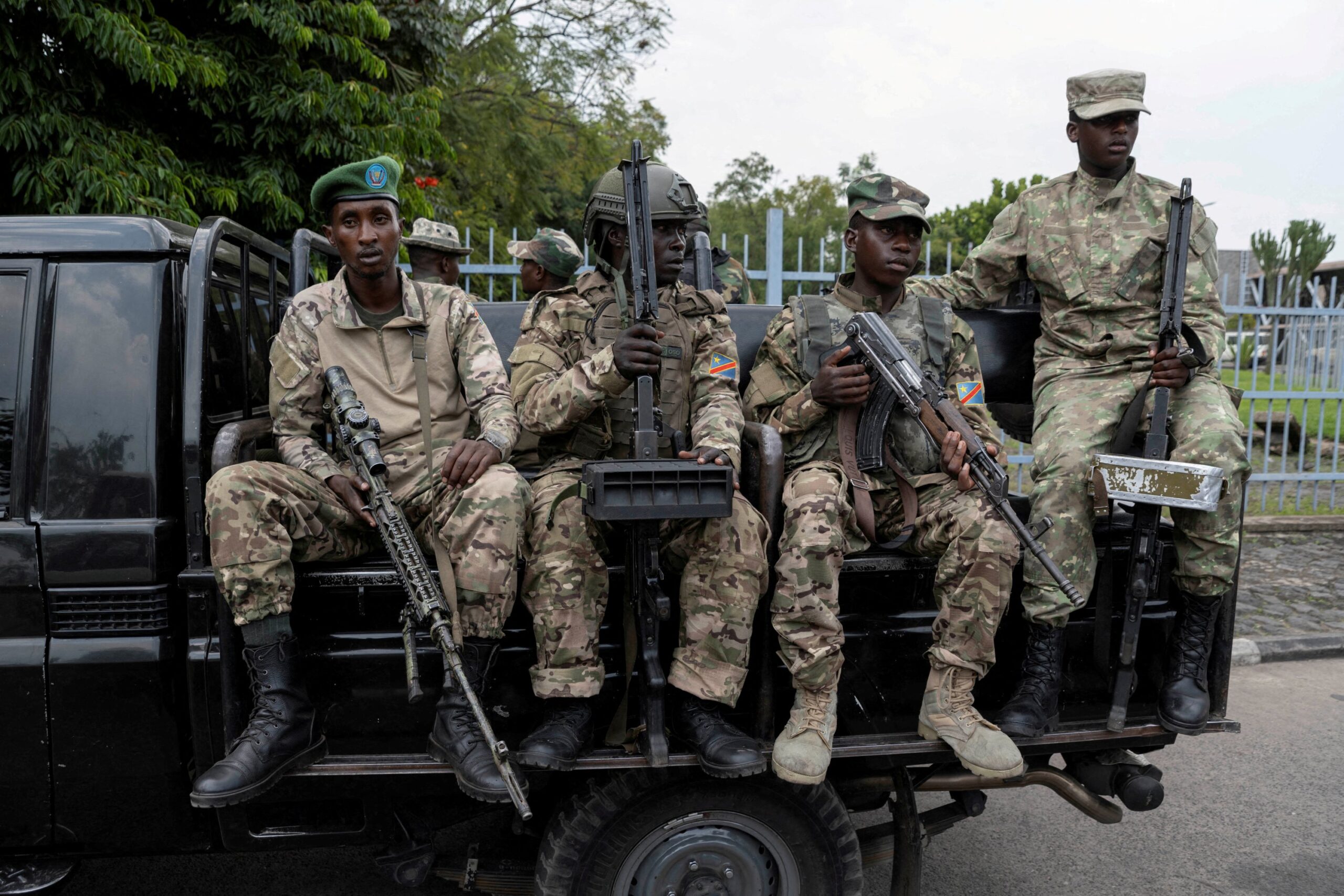
Rebel fighters have entered Uvira, the final major city still controlled by the government in eastern Democratic Republic of Congo, residents reported Wednesday. The offensive triggered a wave of fear as artillery blasts and gunfire echoed across the city.
Many people have fled toward the Burundian border, while others remain sheltered indoors. Witnesses described Uvira as “chaotic,” with shops and schools closed and families hiding in their homes.
The escalation comes less than a week after a US-brokered peace deal was signed in Washington between Congolese President Félix Tshisekedi and Rwandan President Paul Kagame.
Conflicting claims over control of the city
The M23 rebel group announced that it had “liberated” Uvira. Residents interviewed by UN-backed Radio Okapi said fighters were present on key roads and intersections.
South Kivu Governor Jean-Jacques Purusi disputed those claims, stating that the Congolese army and allied militia remained in control. However, multiple residents and military sources said government troops were withdrawing in the face of the rebel advance.
Burundi has closed its border with DR Congo as fighting intensified near its frontier, according to AFP. A Burundian military source described Uvira’s situation as “out of control.”
Fears of civilian harm as clashes intensify
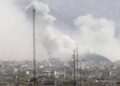
Residents reported repeated explosions in the hills surrounding the city. One Uvira resident told AFP that “everyone is hiding under their beds,” while another warned of a growing risk of civilian casualties.
A local rights defender told AP that the situation could become deadly if government troops attempt a last-minute resistance inside the city. A Burundian officer added that “nobody is in charge” as forces fall back.
Security sources said the rebels advanced from the northern edge of the city, close to Burundi’s border.
Regional and international tension rises
Burundi currently has several thousand soldiers in eastern DR Congo supporting government efforts against M23. Burundi’s President Évariste Ndayishimiye was in Washington last week to witness the signing of the new peace accord, which US President Donald Trump described as a “miracle.”
Despite the agreement, tensions have continued to grow. On Tuesday, the United States, European Union, and eight European countries accused Rwanda of backing the M23 offensive and urged an immediate halt to military operations.
Their joint statement expressed “profound concern” over the situation and called on the Rwanda Defence Force to stop its activities in eastern DR Congo and withdraw its troops. The US State Department said Rwanda “continues to support M23” and must prevent further escalation.
Rwanda denied the allegations, accusing DR Congo and Burundi of violating the ceasefire by bombing villages near the border. Its foreign ministry said the blame “cannot be placed on Rwanda,” insisting that the Congolese and Burundian armies had “systematically” targeted border communities.
UN experts recently concluded that Rwanda’s military maintains “de facto control of M23 operations.”
Thousands flee as humanitarian conditions worsen
The UN estimates that about 200,000 people have been displaced since the latest round of fighting began earlier this month. At least 74 people, most of them civilians, have been killed, and 83 others have been hospitalized with injuries.
Burundian authorities say more than 8,000 people crossed into Burundi daily over the past two days, with arrivals topping 30,000 in one week.
The current rebel offensive follows last year’s takeover of Goma and Bukavu, the two other major cities in eastern DR Congo. M23 is not included in the US-brokered deal and is instead engaged in separate Qatar-mediated negotiations with Kinshasa.
Kinshasa and Kigali trade accusations
In a national address on Monday, President Tshisekedi accused Rwanda of “deliberate violations” of the peace accord. He said M23’s offensive is a “proxy war” targeting a region rich in critical minerals that are vital to Congo’s economic future.
Rwanda, meanwhile, accused Congolese and Burundian forces of shelling villages near its border, forcing more than 1,000 people to flee into its territory.
Eastern DR Congo has been plagued by conflict for more than three decades, rooted in the aftermath of the 1994 Rwandan genocide. Numerous peace deals have failed, while armed groups continue to compete for territory and lucrative mineral wealth.