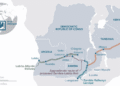










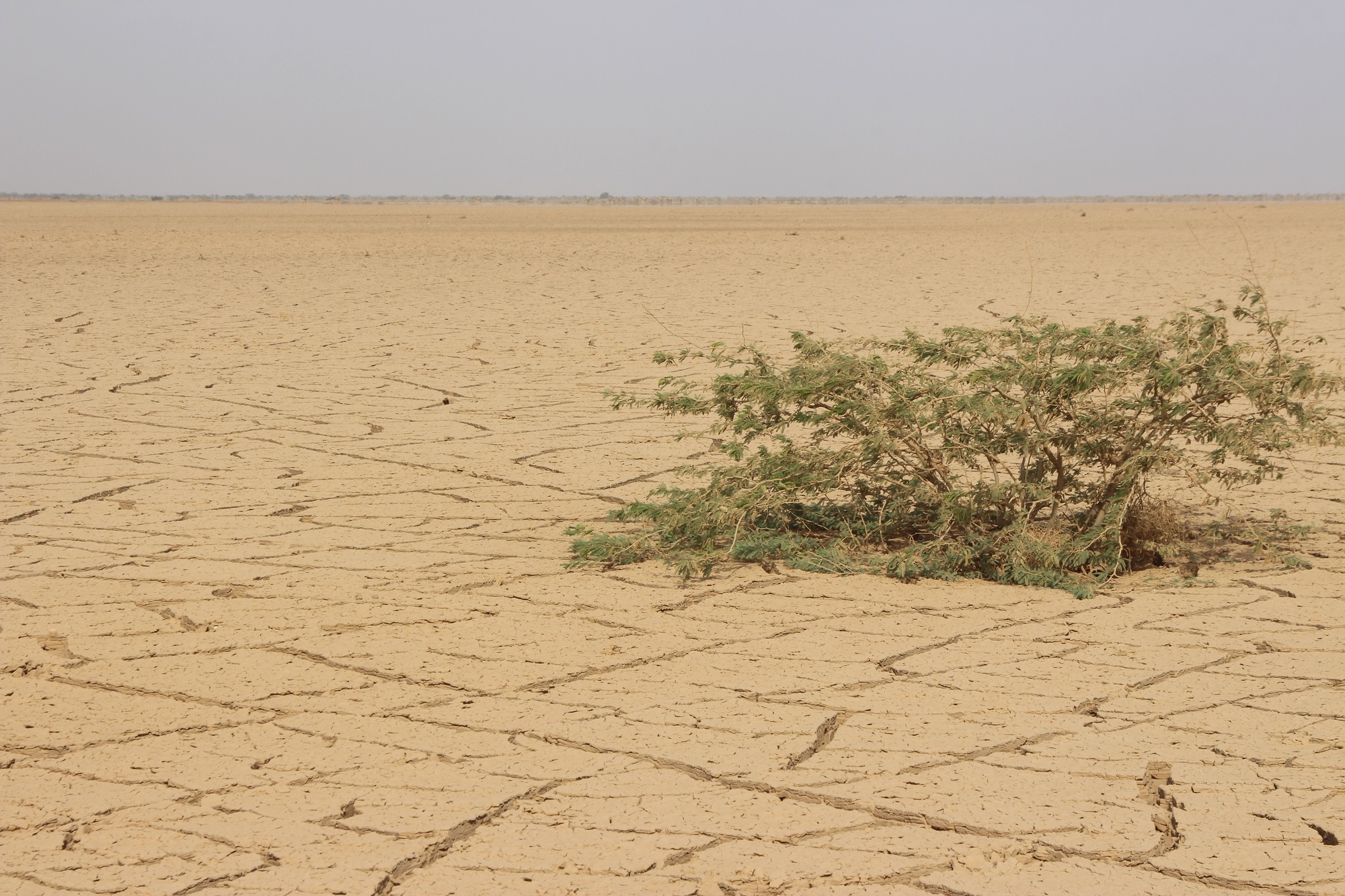
Somalia is facing one of its most devastating droughts in recent history. What began in early 2022 in the northern areas near the Red Sea has now spread across much of the country. By 2024–2025, 13 of Somalia’s 18 regions were experiencing critical water shortages and repeated failed rains.
Millions Struggling With Food and Water Shortages
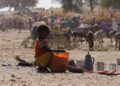
As of 2025, the drought has pushed 4.4 million people—nearly one-quarter of the population—into acute food insecurity.
Between 2022 and mid-2024, researchers estimate about 71,000 excess deaths linked to the drought. Disturbingly, almost 40% of the victims were children under five.
The worsening conditions have also forced more than 200,000 people to leave their homes in search of water, food, and humanitarian support.
Livestock Losses Deepen Economic Hardship
Livestock remains the foundation of Somalia’s rural economy, but the drought has caused catastrophic losses.
More than 1.4 million animals have died due to the lack of pasture and water, leaving many pastoral families without their primary source of income and survival. In several regions, households report losing most of their herds, pushing already vulnerable communities into extreme poverty.
Communities Turn to Prayer as Conditions Worsen
With wells drying up and food prices rising sharply, communities across the country have begun holding roob-doon (rain-seeking prayers).
Humanitarian organisations warn that the situation could deteriorate even further without urgent assistance. Rising food prices, reduced harvests, and ongoing insecurity continue to compound the crisis.
A Growing Humanitarian Emergency
As Somalia enters another year of failed rains, aid agencies are calling for rapid intervention to prevent the crisis from escalating. Without expanded support, millions of people risk facing even harsher conditions.