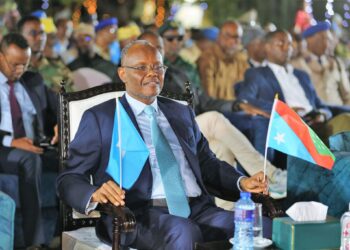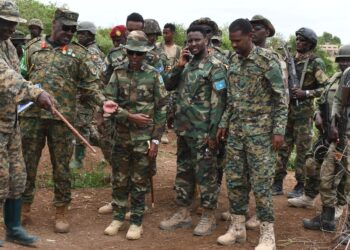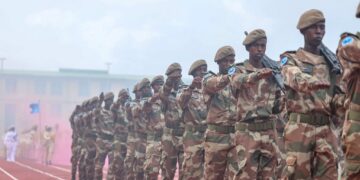
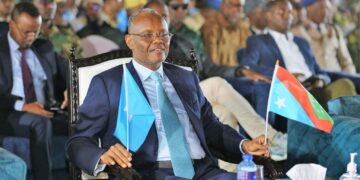
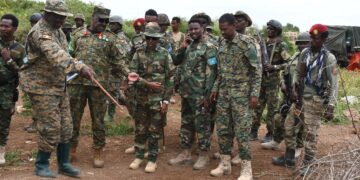


































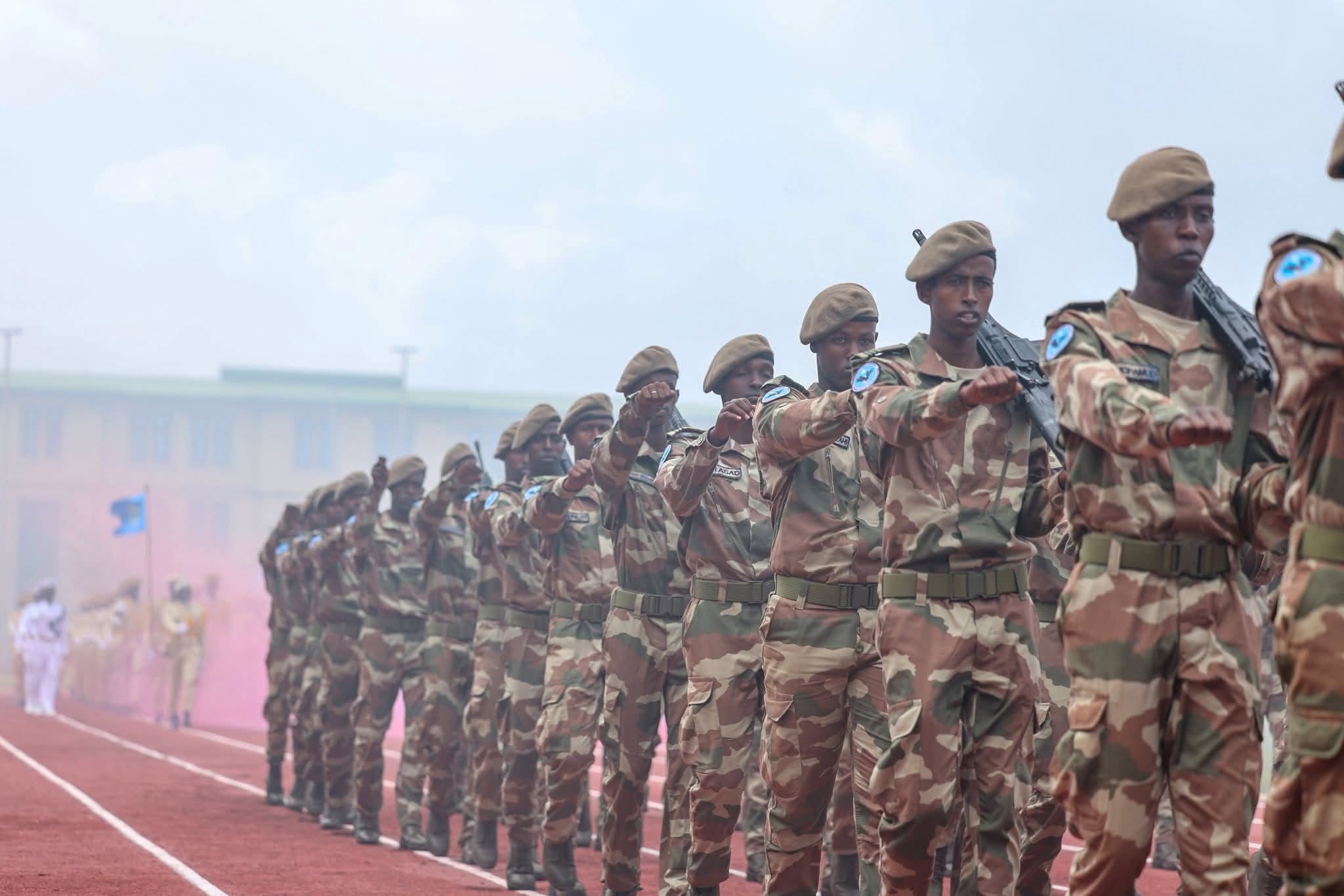
The Baidoa standoff took a dramatic turn on Monday after Somalia’s national army entered the strategic city and Southwest State leader Abdiaziz Hassan Mohamed Laftagareen announced his resignation. The move came two weeks after his administration said it was severing ties with the federal government.
Baidoa, the administrative capital of Southwest State, is one of the most important cities in southern Somalia. It hosts international peacekeepers and humanitarian agencies in a region already affected by drought, conflict and displacement. Reuters reported that federal troops took control of the city, while local accounts described a tense and largely deserted urban center after fears of fighting had driven many residents away.
Baidoa falls under federal control
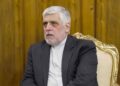
Laftagareen confirmed his resignation in a statement posted on his official Facebook page. He said his decision took effect on March 30, 2026, but did not explain why he had stepped down. His resignation followed days of rising tension after a disputed re-election process in Baidoa widened the rift between his administration and Mogadishu.

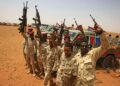
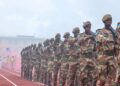
Federal officials said the army had moved into the city and brought the situation under control. State media and allied sources described the takeover as peaceful, though other reports said clashes had broken out around Baidoa before the city fell under federal authority. The exact sequence of events was still being pieced together as security forces consolidated their presence.
Political crisis led to military showdown
The confrontation was rooted in a wider dispute over power and legitimacy in Southwest State. Laftagareen had recently been re-elected in a fast-tracked and highly contested vote that the federal government rejected as unconstitutional and illegitimate. That process deepened an already public falling-out between Baidoa and Mogadishu over regional autonomy, elections and constitutional reforms.
As the dispute escalated, federal forces advanced toward the city from Buurhakaba. Reports on Sunday and Monday said the military buildup had raised fears of a direct confrontation, and aid agencies suspended operations because of growing insecurity. The crisis then culminated in the army’s entry into Baidoa and Laftagareen’s resignation.
Uncertainty remains after resignation
The resignation may have ended the immediate standoff, but it has not resolved the deeper political tensions behind it. Southwest State remains one of Somalia’s most sensitive federal regions, and the events in Baidoa have again highlighted how quickly disputes over elections and power-sharing can turn into security crises.
Medical officials cited in the user-provided account said at least two people were killed and 25 others were injured, but I could not verify those casualty figures from the reliable sources I checked. What is clear is that Monday’s developments have changed control of the city and opened a new phase in the struggle between Mogadishu and regional authorities.