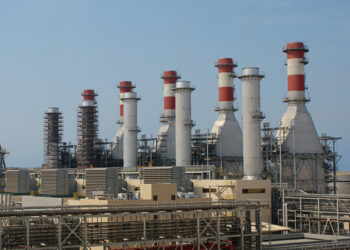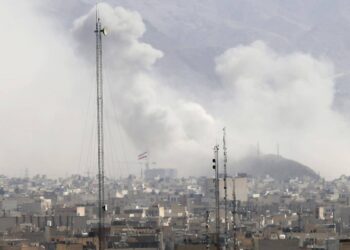














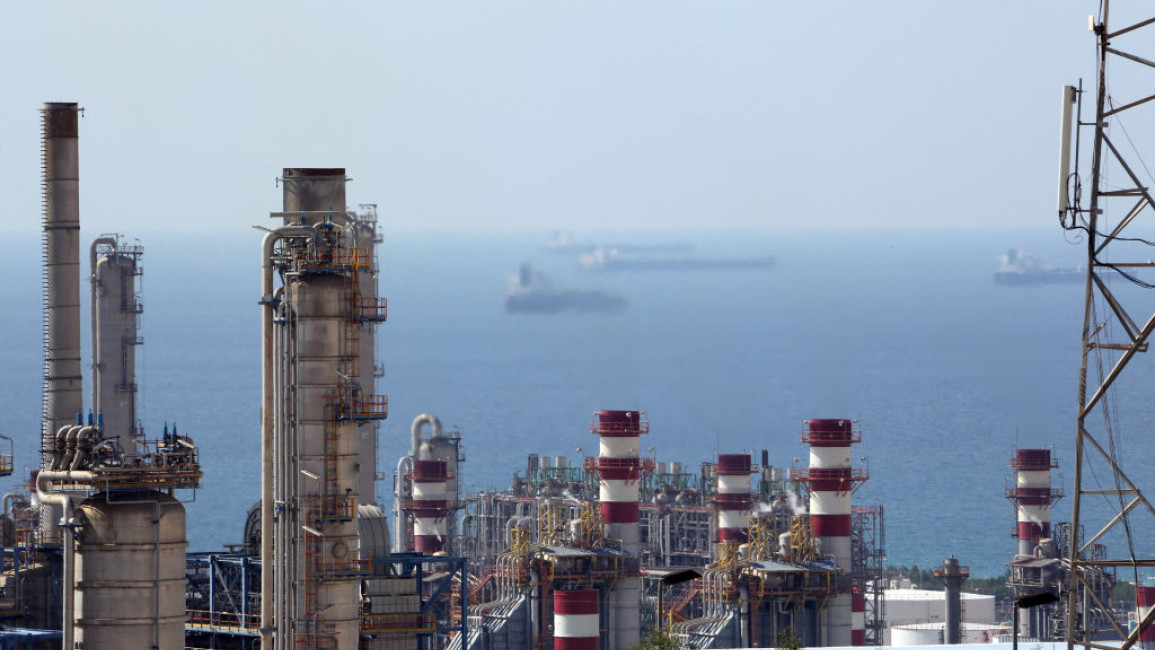
Oil prices rose sharply after an Israeli strike on Iran’s South Pars gas facility, increasing fears of a wider energy shock. The attack added pressure to global fuel markets and raised concerns that higher oil and gas costs could drive inflation upward.
Brent crude climbed above $100 a barrel after the strike, while U.S. crude also moved higher. At the same time, traders focused on the risk of a longer conflict that could further disrupt production and shipping across the Gulf.
Oil prices jump after South Pars strike
Iranian media said the attack hit facilities tied to the South Pars field, the world’s largest gas field. Soon after, Iran’s Revolutionary Guard threatened energy infrastructure in Qatar, Saudi Arabia and the United Arab Emirates.
Those threats deepened concern across the region. They also increased the risk that a military conflict could spread into the Gulf’s energy network.
Gulf energy disruption widens
Qatar later reported a fire at the Ras Laffan gas complex after a missile strike, though authorities said they contained it. Meanwhile, the fighting has already disrupted oil and gas flows from parts of the Middle East.
The Strait of Hormuz remains a major concern. The route carries a large share of the world’s oil and liquefied natural gas, so any prolonged disruption could tighten supplies and keep oil prices elevated.
U.S. moves to ease supply pressure
In response, the Trump administration announced a 60-day waiver of Jones Act shipping restrictions. That step allows foreign-flagged vessels to move petroleum, fertilizer and other supplies between U.S. ports.
Washington also expanded relief involving Venezuela’s state oil company, PDVSA. In addition, Iraq moved to restart some pipeline exports after an agreement between Baghdad and the Kurdistan Regional Government.
Inflation fears grow
Economists warn that sustained high energy prices could feed a new wave of inflation. Higher fuel and transport costs would likely affect food, manufacturing and household budgets around the world.
For now, governments are trying to limit supply damage through waivers, rerouting and emergency measures. However, if the conflict continues to hit Gulf energy sites, oil prices could remain under upward pressure for weeks or longer.