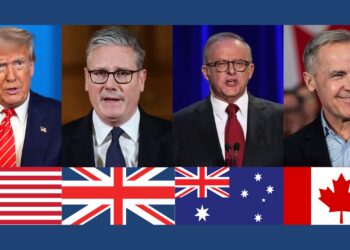










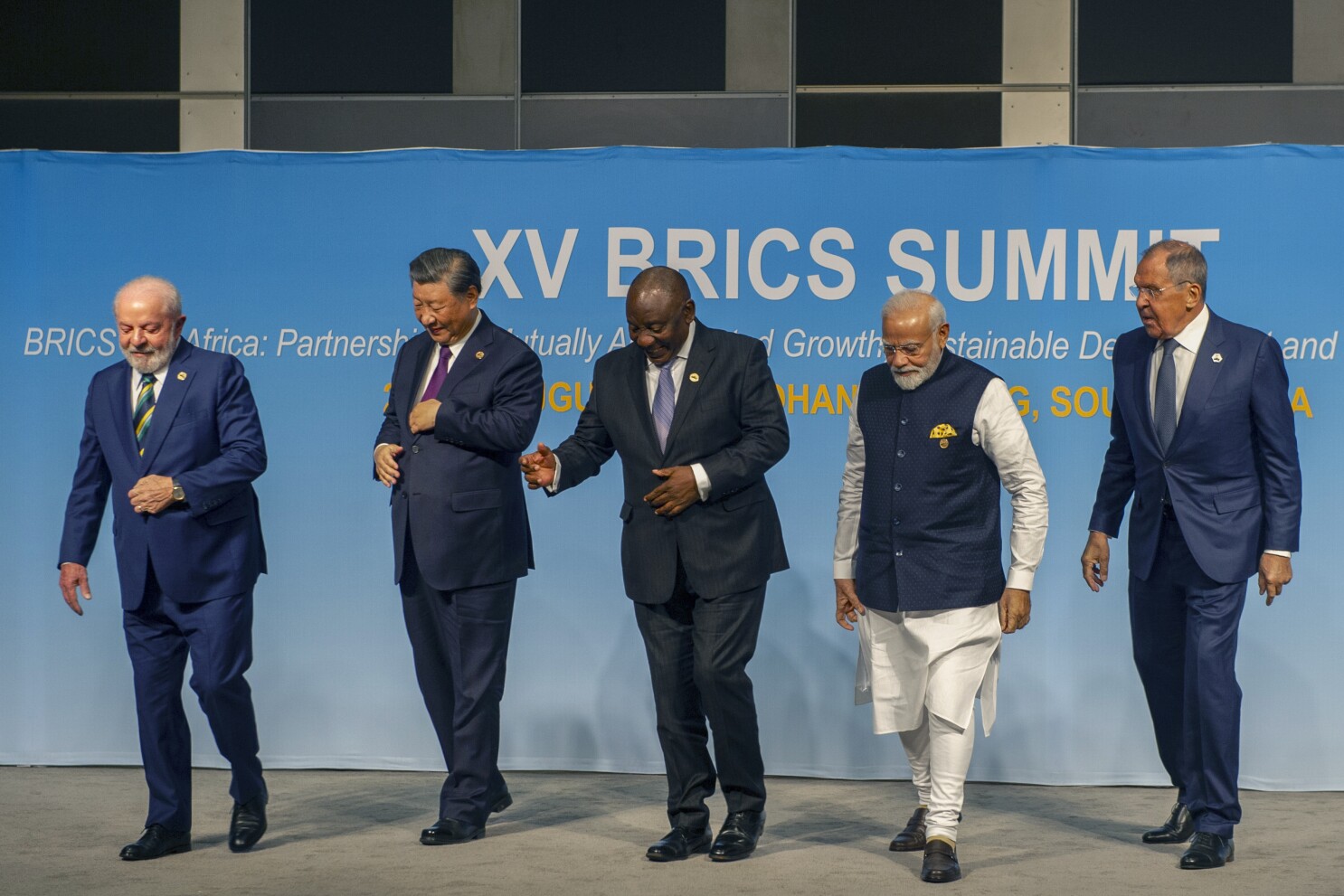
For decades, Western nations projected themselves as the primary architects of global order, shaping political alliances, economic models, and cultural narratives across the Global South. Today, however, that dominance is waning. From Africa to Latin America and Asia, governments and societies are increasingly charting independent paths, forging new partnerships, and questioning the once-uncontested authority of the West.

Several factors explain this decline. The first is the failure of Western promises. Many countries in the Global South feel that Western aid, democracy promotion, and development projects often came with heavy strings attached—structural adjustment programs, political interference, or paternalistic conditions. The memory of these policies continues to erode trust, making room for alternative partners who offer less conditional cooperation.
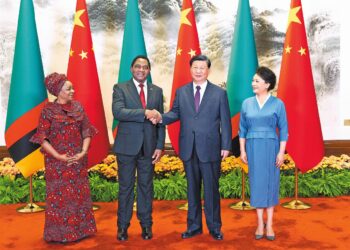
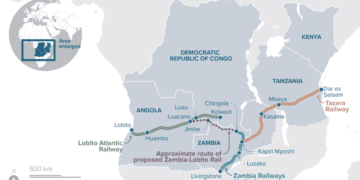
The second factor is the rise of competing powers, most notably China, Russia, and regional middle powers like Turkey, India, and Brazil. China’s infrastructure investments, Russia’s military ties, and Turkey’s growing trade and cultural outreach have given countries more options. For many, dealing with these actors feels more pragmatic and less patronizing than Western engagement.
Third, the West’s inconsistent foreign policy—championing democracy in some cases while supporting authoritarian allies in others—has undermined its moral authority. The wars in Iraq and Afghanistan, as well as ongoing Western responses to conflicts in Palestine, Sudan, and elsewhere, are seen as evidence of hypocrisy.
Finally, there is a generational shift. Younger populations in Africa, the Middle East, and Asia are less influenced by Western narratives than their parents. Social media, diversified education, and digital connectivity expose them to a multipolar world, where Western dominance is just one of many options, not the default.
This does not mean the West is irrelevant. Its economic, technological, and cultural influence remains substantial. But the era of uncontested dominance is over. The Global South is asserting itself not as a passive recipient of Western policies but as an active shaper of global order.
The challenge for Western countries is whether they can adapt—moving from a posture of control to one of partnership. If they fail, their influence will continue to recede, and the Global South will increasingly look elsewhere for allies, models, and opportunities.