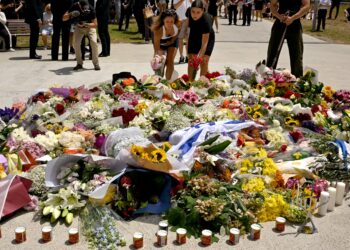






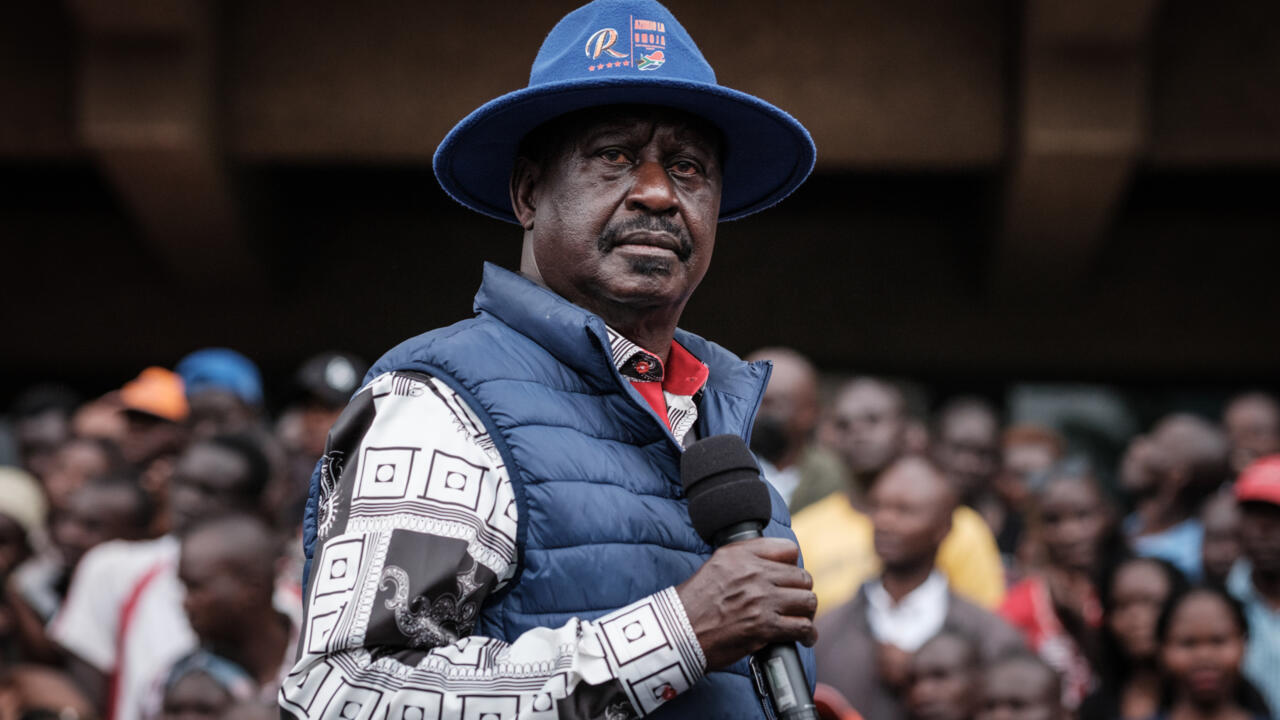
Thousands of mourners filled the Nyayo National Stadium in Nairobi for the state funeral of former Prime Minister Raila Odinga, one of Kenya’s most influential political figures. The crowd, waving national flags and carrying portraits of the late leader, gathered to pay their final respects to a man who shaped Kenya’s democratic struggle for decades.

Security was tight in and around the stadium, with police and military officers deployed to ensure calm following the unrest that occurred during Thursday’s public body viewing.
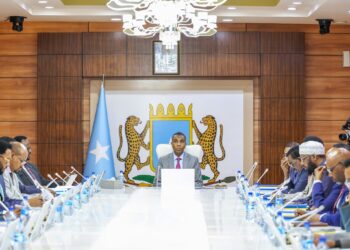
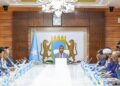
The presidents of Somalia and Ethiopia joined other regional leaders and dignitaries for the solemn ceremony. Earlier in the day, Odinga’s body was taken to parliament, where members of parliament and invited guests viewed it before the procession to the stadium.
Odinga, aged 80, passed away on Wednesday in India, where he had been undergoing medical treatment. His death marked the end of an era in Kenyan politics.
Mourners from across the country carried branches and palm fronds, a traditional Luo symbol of grief and respect. On Saturday, his body will be transported to Kisumu, his political stronghold on the shores of Lake Victoria. Members of the public there will have an opportunity to view the body before his burial on Sunday at his family home in Bondo, about 60 kilometers west of Kisumu.
According to his family, it was Odinga’s wish to be buried within 72 hours of his death — a request that reflects his deep cultural roots. The Kenyan government has declared a seven-day period of mourning in honor of the late statesman.
Throughout his political career, Raila Odinga stood as a symbol of opposition and resilience. Despite losing five presidential elections, he remained a central figure in Kenya’s political life, often alleging electoral manipulation. His death leaves a significant void in Kenya’s democratic landscape.