









The Western alliance, once projected as the most cohesive political and military bloc in the modern world, is showing visible cracks. These fractures are becoming sharper as the war in Gaza drags on and as the question of Palestinian statehood moves from the margins of diplomacy to the center of political debate.

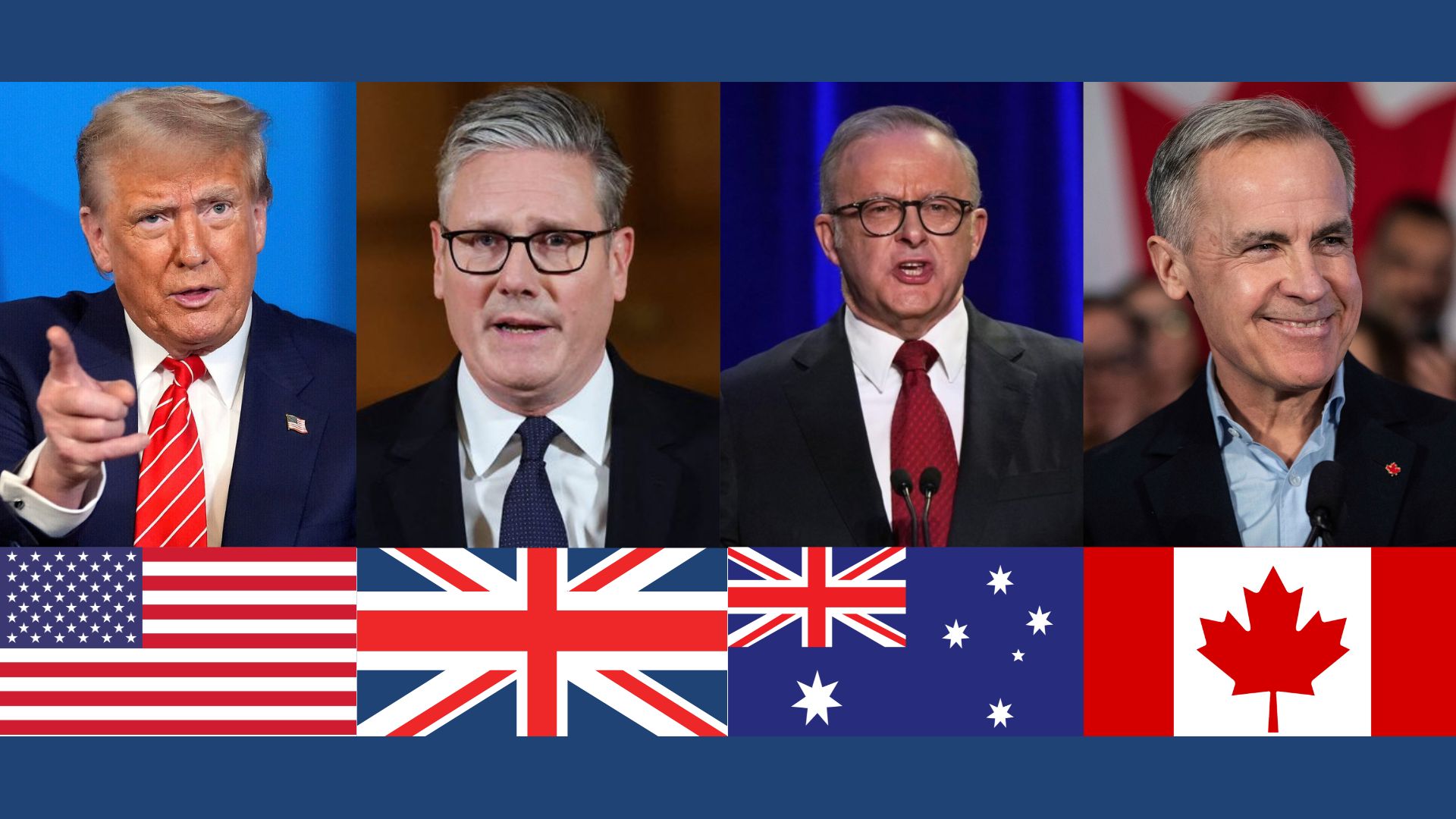
The recent recognition of Palestine by some of the so-called Anglo-Saxon countries — long seen as America’s closest allies — underscores how much the political ground has shifted. For decades, the United States has used its global influence to shield Israel from major diplomatic consequences. But the scenes of destruction in Gaza, broadcast daily and amplified across the world, have eroded public patience and forced governments to act.
Recognition of Palestine was once considered symbolic, even quixotic, in Western capitals. Today, it has become a litmus test for political credibility. Leaders in Europe and beyond increasingly face domestic pressure from citizens, activists, and opposition parties who view unconditional support for Israel as morally indefensible. By moving forward, U.S. allies are signaling both to Washington and Tel Aviv that their old calculus no longer holds.
This is where the American dilemma becomes acute. The United States still provides Israel with unparalleled military, financial, and diplomatic support. Yet as allies openly break ranks, Washington risks finding itself isolated. The logic of double standards — preaching democracy and human rights abroad while excusing Israeli military actions in Gaza — is harder to defend when close partners are publicly charting a different course.
The dissolution of the Western bloc may not happen overnight, but the trajectory is clear. Where once there was near-automatic consensus, there is now divergence, even confrontation. U.S. policymakers cannot ignore the mounting political costs. If pressure continues, America may eventually be compelled to reconsider the very nature of its relationship with Israel — not out of moral awakening, but because its alliances demand it.
The post-World War II order, built on American leadership and Western solidarity, is faltering. Gaza has become the fault line where the illusion of Western unity meets the reality of diverging interests. In that sense, Palestine may prove to be not only a humanitarian cause but also the stage on which the unraveling of Western dominance becomes undeniable.