










The debate around Türkiye’s defence ambitions has intensified in recent years. Western capitals long viewed Ankara as a middle-power consumer, not a producer, of advanced military technology. This assumption was flawed. It ignored Türkiye’s political will, strategic geography, and growing industrial capacity. As a result, the West misjudged the speed and depth of Türkiye’s defence transformation.
A misreading rooted in outdated assumptions
For decades, Western policymakers assumed Türkiye would remain dependent on NATO suppliers. However, this view failed to consider changing global dynamics. Türkiye faced growing regional threats, repeated arms embargoes, and rising domestic expectations. Therefore, building its own defence ecosystem became a national priority.
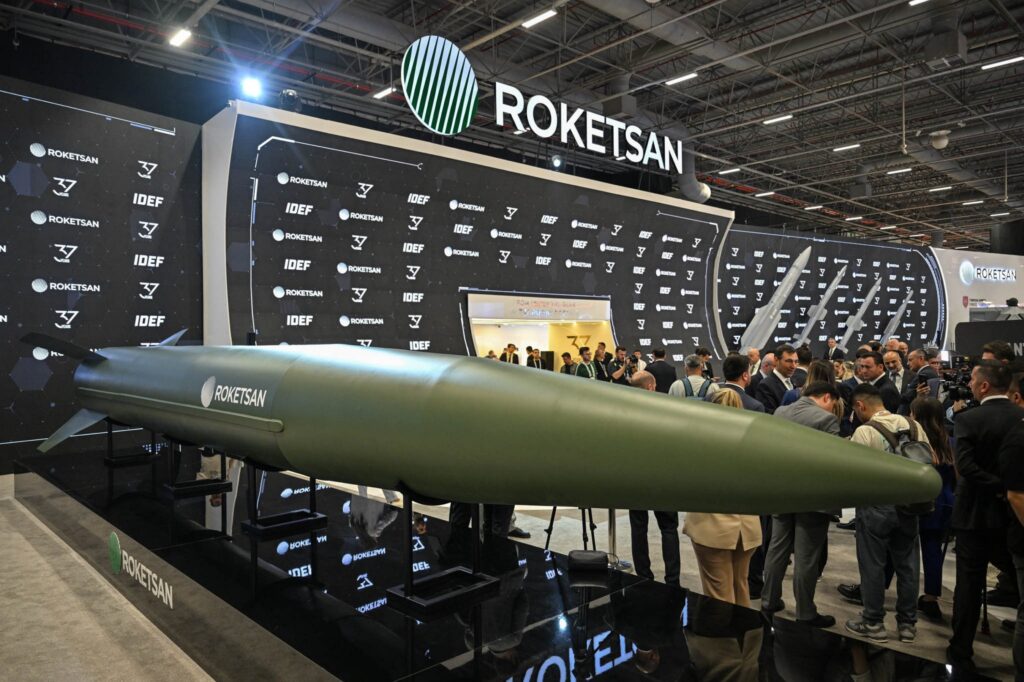
Moreover, Western think tanks often foregrounded political tensions rather than technological trends. They underestimated local innovation, especially in drones, electronic warfare, and naval systems. Türkiye’s development of the Bayraktar TB2 became a turning point. The drone proved effective in Libya, Nagorno-Karabakh, and Ukraine. These results confirmed Türkiye’s rising defence capabilities.
Internal analysis from Turkish strategic institutions shows how long this ambition had been developing. External assessments from respected defence observers also highlight Türkiye’s rapid shift from importer to global supplier. Together, these references reveal a pattern the West did not fully appreciate.
Political friction overshadowed strategic reality
Political disputes between Türkiye and some Western states created another blind spot. Many analysts focused on disagreements within NATO. However, they did not see how these disputes pushed Türkiye to diversify partnerships and invest in autonomy.
Türkiye’s removal from the F-35 program is a clear example. Many expected this setback to weaken Ankara’s air power. Yet Türkiye responded by accelerating work on the KAAN fighter jet and improving drone-based air capabilities. Meanwhile, domestic support for indigenous defence projects grew stronger.
Although critics argue that Türkiye still relies on foreign components, this dependence is shrinking. The country now exports to dozens of states and negotiates partnerships on equal footing. This shift challenges long-held Western assumptions about Türkiye’s role in global defence markets.
A new defence power with global influence
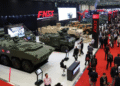
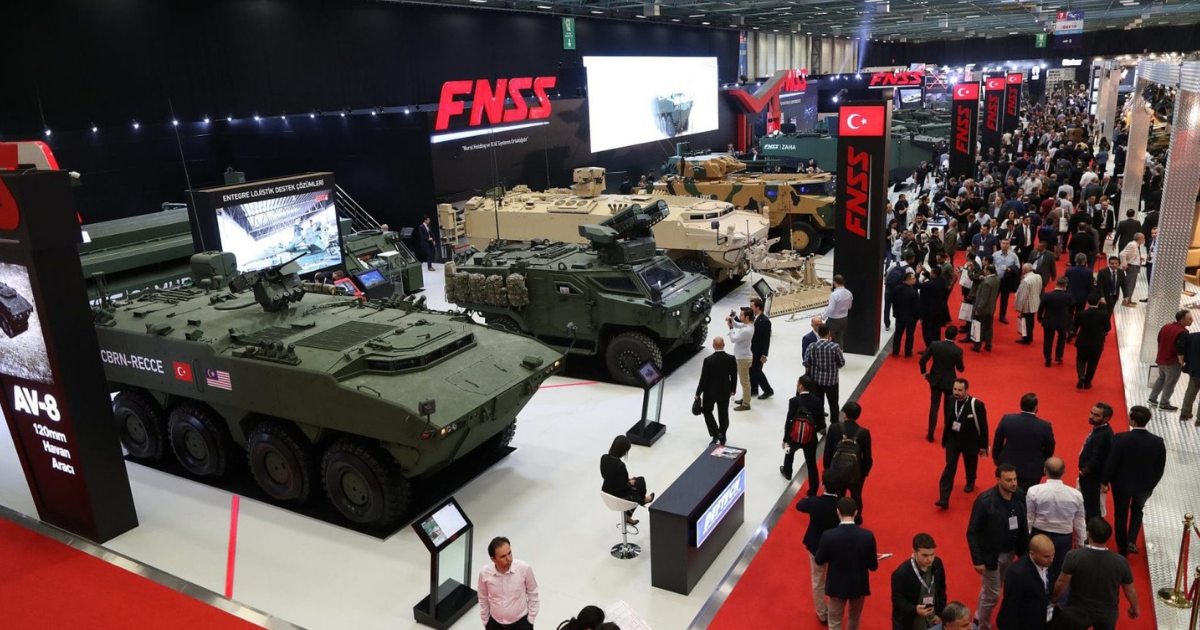
Today, Türkiye’s defence ambitions shape regional politics and influence global security debates. Western governments now monitor Turkish systems in conflict zones, trade fairs, and joint exercises. The change has been significant. Türkiye is no longer a passive recipient of technology. Instead, it is an active innovator and rising exporter.
This transformation carries strategic implications. Türkiye’s growing autonomy reduces Western leverage. It also encourages other mid-level states to follow similar paths. Therefore, Western policymakers must update their understanding of Türkiye’s capabilities and long-term goals.
However, this does not mean Türkiye and the West cannot cooperate. Shared security interests still exist. Both sides benefit from stable relations and coordinated defence planning. Balanced engagement can strengthen NATO cohesion and reduce mistrust.
Conclusion: A call for strategic realism
The West underestimated Türkiye’s defence ambitions because it looked at Ankara through an outdated lens. It overemphasized political disputes and overlooked technological progress. However, Türkiye’s advancements show that defence independence is now a core national objective.
It is time for Western policymakers to adopt strategic realism. They must take Türkiye’s ambitions seriously, recognize its expanding influence, and engage with it as a rising defence power. By doing so, both sides can foster a more stable and cooperative security environment.
Türkiye’s defence ambitions will continue to reshape regional dynamics. Understanding this shift is the first step toward a more constructive partnership.