

























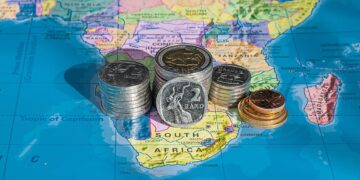

















The Africa growth outlook for 2026 has weakened after the World Bank cut its forecast for Sub-Saharan Africa to 4.1%. The lender said the fallout from the Iran war has raised fuel and fertilizer costs, slowed investment and added pressure to economies already burdened by debt.
The new forecast is below the 4.4% figure the World Bank projected in October. It is also unchanged from the region’s estimated growth rate in 2025, which means the recovery is no longer gaining pace. World Bank Africa chief economist Andrew Dabalen said the downgrade reflected a much tougher external environment than policymakers expected late last year.
Africa growth outlook hit by higher costs
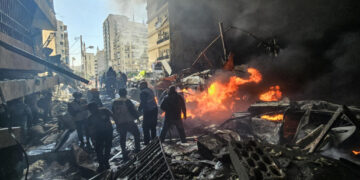
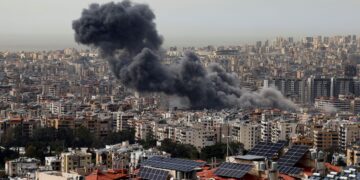
The World Bank said the war in the Middle East has sharply increased energy and fertilizer prices. That matters because many countries in Sub-Saharan Africa depend heavily on imported fuel and agricultural inputs. As a result, inflation risks are rising just as governments have less room to respond.

The lender also warned that uncertainty around Gulf investment could weigh on the region. Gulf countries have become major investors in sectors such as mining, renewable energy, real estate and information technology, especially in East Africa. In addition, remittances could come under pressure if prolonged conflict weakens labor demand in the Middle East, where many African migrants work.
Debt leaves little room for response
Dabalen said many governments lack the fiscal space to absorb another external shock. Debt-servicing costs have climbed from 9% of revenues in 2017 to about 18% in 2025, while roughly half of African countries are either already in debt distress or at high risk of reaching it. Therefore, even temporary price shocks can have lasting economic effects.
The strain is most visible in oil-importing and financially vulnerable economies such as Burundi, Malawi, Ethiopia, Kenya and Mozambique. Kenya could face a sharper inflation shock in severe scenarios, while Ethiopia may feel pressure through remittance flows because hundreds of thousands of its citizens work in Saudi Arabia. West Africa’s outlook remains less clear because fertilizer data there are still incomplete.
For now, the weaker Africa growth outlook shows how quickly a distant war can disrupt economic recovery across the continent. The immediate threat is higher costs. The bigger risk is that already fragile economies may struggle to regain momentum even after the external shock begins to fade.