






































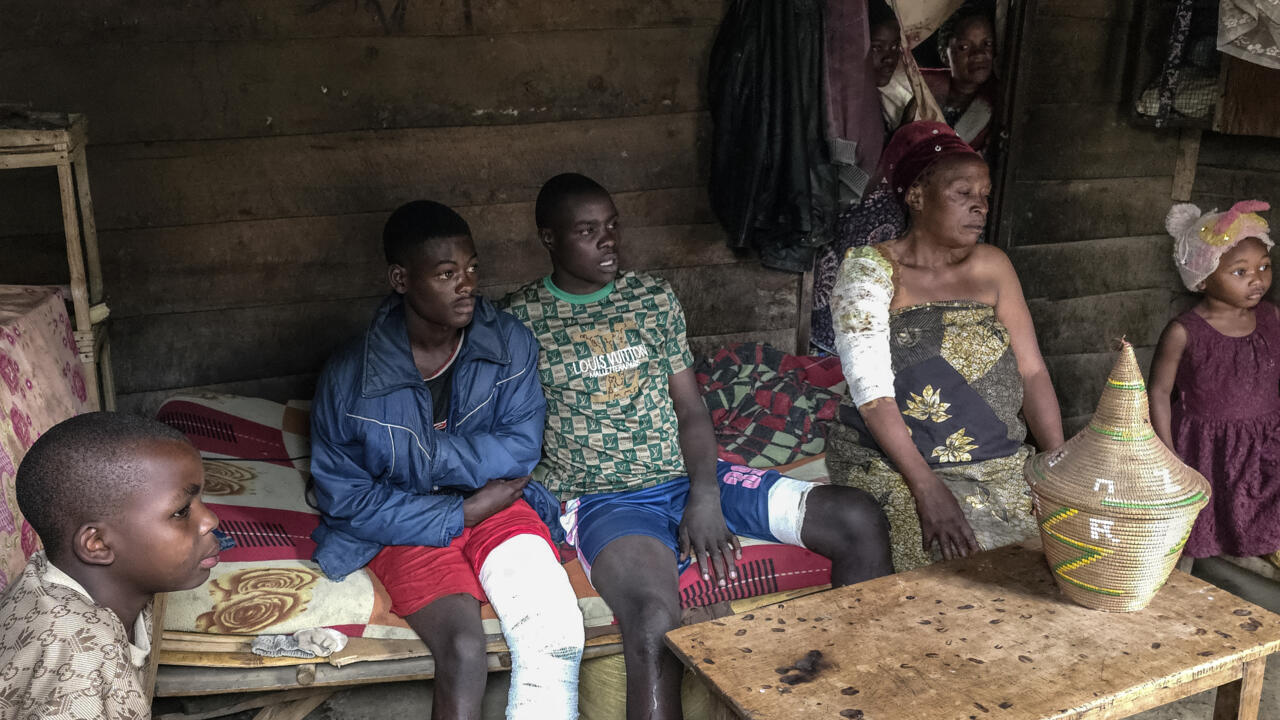
Child miners in eastern Congo are returning to one of the world’s most dangerous coltan sites even after a landslide killed more than 200 people, including about 70 children. The disaster at Rubaya showed how poverty, conflict and weak oversight continue to trap families in hazardous mining work.
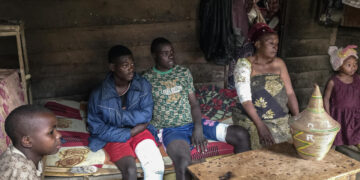
For many families in Rubaya, the mine is not only a workplace. It is the last option left. Children who should be in school instead carry sacks of wet earth, dig unstable slopes and work without basic protection because their families need cash to survive. That reality has made the latest disaster both shocking and familiar.
A landslide that exposed the human cost
Heavy rains triggered the March 3 landslide at the Rubaya coltan mine in eastern Democratic Republic of Congo. Congolese authorities said more than 200 people died, including roughly 70 children, while accounts from the rebel group controlling the area sharply disputed the toll. Still, multiple reports described the collapse as one of the deadliest recent mining disasters in the region.


The mine sits in North Kivu, an area shaped by both mineral wealth and armed conflict. Rubaya is one of the world’s major sources of coltan, a mineral used in electronics and other modern technologies. Yet the people extracting it often work in dangerous informal conditions and see little of its global value.
That contrast defines the tragedy. A mineral tied to smartphones, laptops and electric vehicles is dug from steep, unstable ground by workers who often lack safety gear, labor protections and secure income. As a result, the gains of global demand and the risks of local extraction remain sharply divided.
Why child miners keep returning
The deeper story is not only about one collapse. It is about why child miners remain in places like Rubaya despite repeated warnings, legal bans and international concern. In many parts of Congo, poverty leaves families with few alternatives. When parents die, lose income or cannot cover school costs, children often enter mining work to support the household.
That pattern is especially severe in eastern Congo, where conflict has disrupted daily life for years. Rubaya has been under the control of the M23 rebel group since 2024, and the wider region has seen fighting, displacement and weak state enforcement. In such conditions, labor laws are hard to apply and exploitation becomes easier to sustain.
Even when child labor is illegal on paper, enforcement often collapses in practice. The result is a system in which children work in shafts, on slopes and along transport lines because the informal mining economy keeps running regardless of regulation. Therefore, the issue is not just legal failure. It is also a failure of governance, security and economic protection.
Conflict, coltan and weak oversight
Rubaya’s importance extends far beyond North Kivu. The area is a major coltan source, and rights groups have said the trade is linked to smuggling routes and conflict financing. Global Witness has argued that the recent disaster should force governments and companies to confront the human cost behind these mineral supply chains.
That supply chain problem is difficult to separate from politics on the ground. Since M23 seized Rubaya, observers have warned that the mine’s output has continued moving through regional networks while control of the area remained contested. This means the mine is not only a workplace or a hazard. It is also part of a larger system in which armed power, commerce and weak oversight overlap.
For families, however, these geopolitical layers mean little in daily terms. What matters more is whether there is money for food, rent and survival. That helps explain why mining resumes so quickly after deadly collapses. Even after mass casualties, the immediate pressure to earn can outweigh the fear of another disaster.
A broader child labor crisis
The crisis in Rubaya reflects a wider pattern across Congo’s mining sector. UNICEF says child labor remains a major issue in the country, while long-standing estimates have put tens of thousands of children in mining work. Other reporting and advocacy groups have argued the true number may be much higher in some regions.
What makes the problem especially severe is the combination of danger and invisibility. Children in mining areas often work without protective equipment, in collapsing pits or on unstable slopes, while the minerals they handle flow into international markets far from public view. Consequently, the link between global consumption and local risk is often acknowledged only after a tragedy.
The March disaster forced that link back into focus. It showed that the cost of coltan is not measured only in export earnings or industrial supply. It is also measured in lost childhoods, interrupted schooling and preventable deaths.
What comes next
Aid groups and campaigners say the response cannot stop at mourning the dead. They argue that businesses, governments and international buyers need stronger oversight of mineral sourcing, especially in conflict-affected areas. That includes closer scrutiny of supply chains, better enforcement of labor protections and support for families that might otherwise depend on mine income.
Yet long-term change will depend on more than audits or statements. It will require safer livelihoods, better access to education and stronger local governance in places where mining now fills the gap left by state weakness. Without that, children will keep returning to the same slopes, even after the dead are buried.
Rubaya is therefore more than the site of a single disaster. It is a warning about what happens when global demand, local poverty and armed conflict meet in one place. Until those pressures change, child miners in eastern Congo will remain at risk long after this landslide fades from international attention.