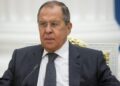



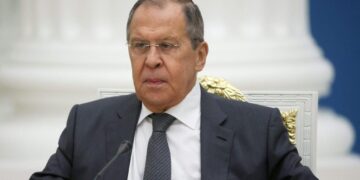




















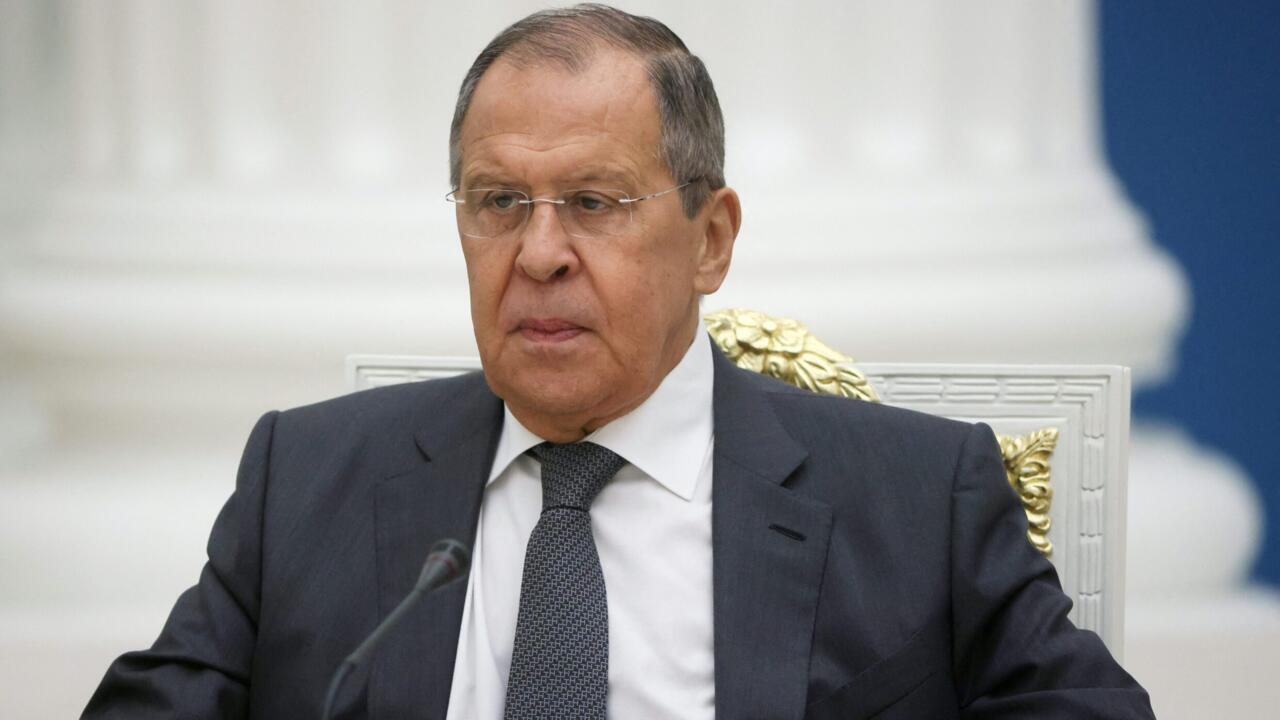
The energy dominance dispute between Moscow and Washington sharpened Saturday as Russian Foreign Minister Sergey Lavrov accused the United States of trying to force Russia out of global energy markets. In remarks carried by Russian and international media, Lavrov said Washington was pursuing its own interests while sidelining Russian energy exports in Europe and beyond.
Lavrov said the United States was prepared to defend its economic interests by any means and argued that recent sanctions and military actions reflected a broader push for control over energy markets. He pointed to sanctions on major Russian oil companies and said Washington was seeking to reduce Russia’s role in multiple regions.
Energy dominance claim targets U.S. policy
Lavrov said the United States welcomed Russia’s weakening position in European energy markets and was now extending that pressure elsewhere, including Serbia. He described this as part of a wider American strategy that began under President Joe Biden and, in his view, continued under President Donald Trump.

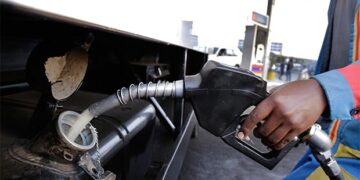
His comments came as Russia faced continued pressure over its energy exports. The European Union has moved to phase out remaining Russian gas imports, and senior EU officials have rejected calls to restore Russian energy ties despite higher costs linked to current regional instability.
Lavrov also argued that Washington had used sanctions and other tools to reshape global energy flows. Earlier Russian statements made similar claims after the Trump administration sanctioned Lukoil and Rosneft and pressed countries such as India over Russian oil purchases.
Wider attack on the global order
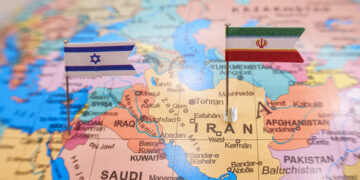
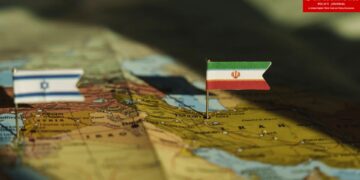
Lavrov broadened his criticism beyond energy markets. He said the world was moving away from international agreements and toward a system where power, rather than law, determined outcomes. He also blamed the United States and Israel for the current Middle East crisis and said the consequences would last for a long time.
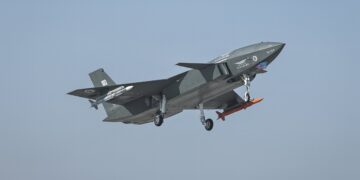
In addition, he criticized Europe, accusing it of trying to preserve a neocolonial role in world affairs. When asked about Russia’s allies, he said Moscow continued to rely first on its military forces, including its army, navy, aerospace forces and drone units.
Russia faces a shifting energy landscape
The remarks come at a time when Russia is trying to defend its place in global energy trade while adapting to sanctions and changing markets. Russian officials have said they will keep supplying energy at market prices and shift sales toward countries still willing to buy. At the same time, Moscow has argued that Western pressure is politically driven rather than purely economic.
For now, Lavrov’s comments underscore how energy has become a central front in the wider confrontation between Russia and the West. The dispute is no longer only about prices or pipelines. It is also about political influence, market access and who sets the terms of the global energy system.