










































Fuel conservation has become an urgent priority in Ethiopia as the government responds to global oil supply disruption linked to conflict in the Middle East. Authorities have urged citizens to reduce fuel use while accelerating the shift to electric and natural gas-powered vehicles.
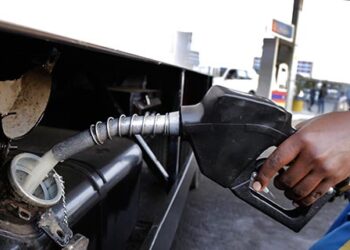
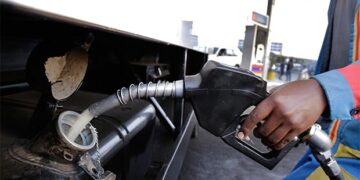
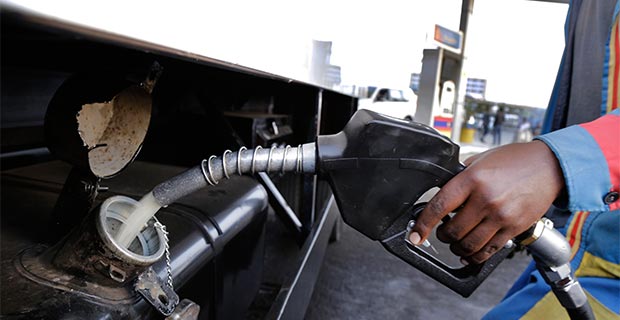
The Ethiopian Petroleum and Energy Authority issued a directive this week calling on the public to conserve fuel products and help shield the country from oil price shocks. The order came as long lines formed at filling stations in Addis Ababa and some outlets faced temporary shortages.
Fuel conservation becomes a national priority
The authority said petroleum products are imported and paid for in foreign currency, making Ethiopia especially vulnerable to supply and price disruptions. As a result, it directed fuel distributors and retail stations to operate under stricter conservation measures.



Officials also said fuel supplies should be prioritized for security institutions, state projects, manufacturing industries and export-oriented companies. That step reflects concern that shortages could affect essential services and economic activity if supply pressure worsens.
Shift to EVs gains urgency
Prime Minister Abiy Ahmed earlier urged Ethiopians to use fuel responsibly until normal supply conditions return. He warned that countries dependent on imported oil were facing growing difficulty securing enough supply during the current crisis.
The Ministry of Transport and Logistics has also called for faster adoption of electric vehicles and natural gas-powered vehicles. Ethiopia already moved in that direction in 2024, when it banned imports of fossil fuel-powered vehicles and introduced tax incentives for EVs. Therefore, the latest push builds on a policy shift already underway.
Supply concerns test import-dependent economies
Ethiopia’s latest move shows how the Middle East conflict is affecting countries far beyond the Gulf. For fuel-importing economies, higher prices and unstable shipments can quickly strain foreign exchange reserves, transport systems and daily life.
For now, the government is trying to manage both immediate shortages and longer-term energy vulnerability. If disruption continues, Ethiopia’s call for fuel conservation may become a wider model for how import-dependent states respond to external oil shocks.