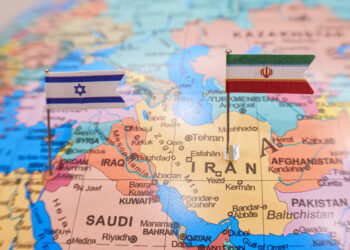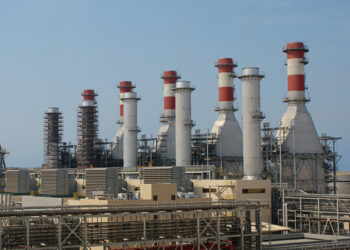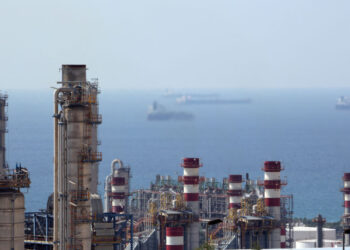







































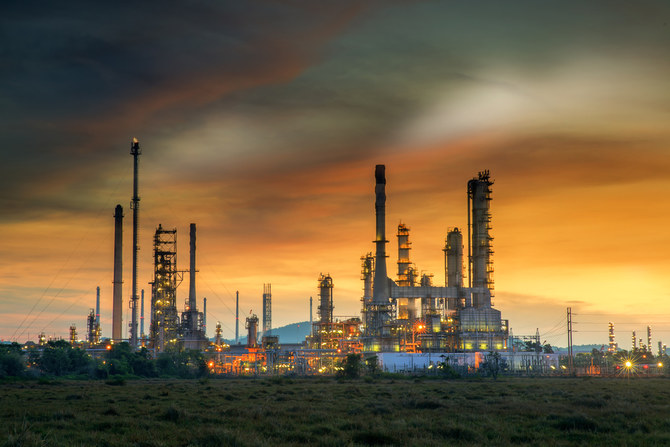
Gulf energy attacks entered a more dangerous phase Friday as Iranian drones struck Kuwait’s Mina al-Ahmadi refinery for a second straight day, while Israeli attacks shook Tehran and missile alerts sounded again in Israel. The widening strikes showed how the war is spreading beyond direct military targets and into the core infrastructure that powers the Gulf economy.
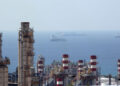
Kuwait said fires broke out in several operational units at Mina al-Ahmadi, the country’s largest oil refinery, though authorities reported no immediate casualties. The attack came as Kuwait marked Eid al-Fitr and as other Gulf states remained on high alert for more missile and drone strikes.
Gulf energy attacks spread across the region
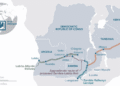
The refinery strike was part of a broader Iranian campaign against Gulf energy infrastructure after Israeli attacks hit Iran’s South Pars gas field and the Asaluyeh processing hub earlier this week. Since then, energy facilities in Saudi Arabia, Qatar, the United Arab Emirates, Bahrain and Iraq have also faced damage, shutdowns or emergency suspensions.


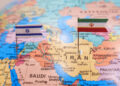
Qatar has suffered some of the most serious damage. QatarEnergy CEO Saad al-Kaabi said Iranian attacks wiped out 17% of the country’s liquefied natural gas export capacity and could take three to five years to repair. He said the damage would cost about $20 billion in annual revenue and delay some of Qatar’s expansion plans.
The fallout is already moving beyond the Gulf. India, one of the world’s biggest LNG buyers, expects supply disruptions because of the damage in Qatar. Other countries in Asia and Europe also face growing pressure as they rely on Gulf gas and oil shipments.
Tehran and Israel exchange more fire
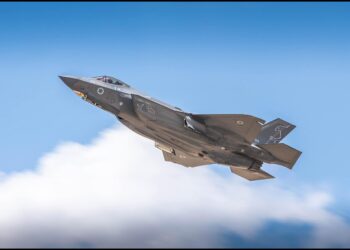
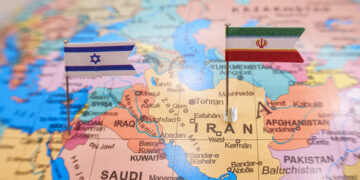
As the Gulf absorbed the latest infrastructure strikes, the war also intensified inside Iran and Israel. Explosions were reported in Tehran overnight during Nowruz celebrations, while central Israel faced another round of missile alerts. Those exchanges suggested neither side was preparing to slow the pace of attacks even as the economic consequences worsened.
The fighting has also hit political and military figures inside Iran. Iranian state media reported the death of Ali Mohammad Naeini, a spokesman for the Revolutionary Guard, after an airstrike. His death added to signs that Israeli and U.S. strikes are still targeting senior Iranian command structures as the conflict broadens.
Oil, gas and shipping face deeper disruption
The latest wave of Gulf energy attacks has intensified pressure on global markets because the conflict now touches key refining, export and shipping hubs at the same time. Reuters reported that the attacks have damaged or halted operations at major refineries, LNG plants and export terminals, while Bahrain declared force majeure after a strike on its Sitra refinery and Iraq cut oil output due to security concerns.
The danger is not only the immediate loss of fuel supply. Production sites and LNG trains can take years to repair, which means this round of strikes could reshape energy markets long after the fighting itself slows. That is one reason traders, governments and importers are reacting so sharply.
A conflict reaching a breaking point
The strike on Kuwait’s largest refinery underlined how quickly the war has moved from battlefield exchanges to economic warfare. Gulf states are trying to contain the damage, but each new attack makes that harder. As a result, the conflict is no longer only about Iran and Israel. It is now a direct threat to the infrastructure, shipping routes and export systems that connect the Gulf to the world economy.
For now, the region is watching whether the attacks remain concentrated on energy sites or spread even further. However, Friday’s strikes showed that the threshold has already shifted. What began as a military confrontation is now testing the resilience of the Gulf’s entire economic network.