




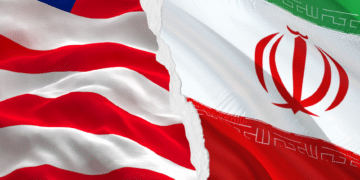



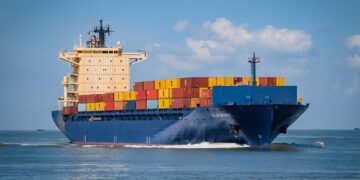

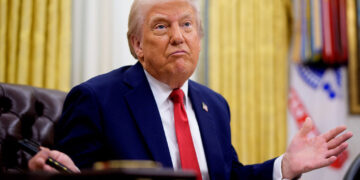



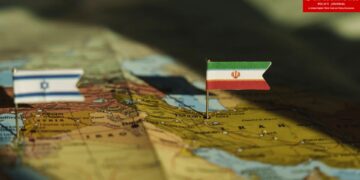






















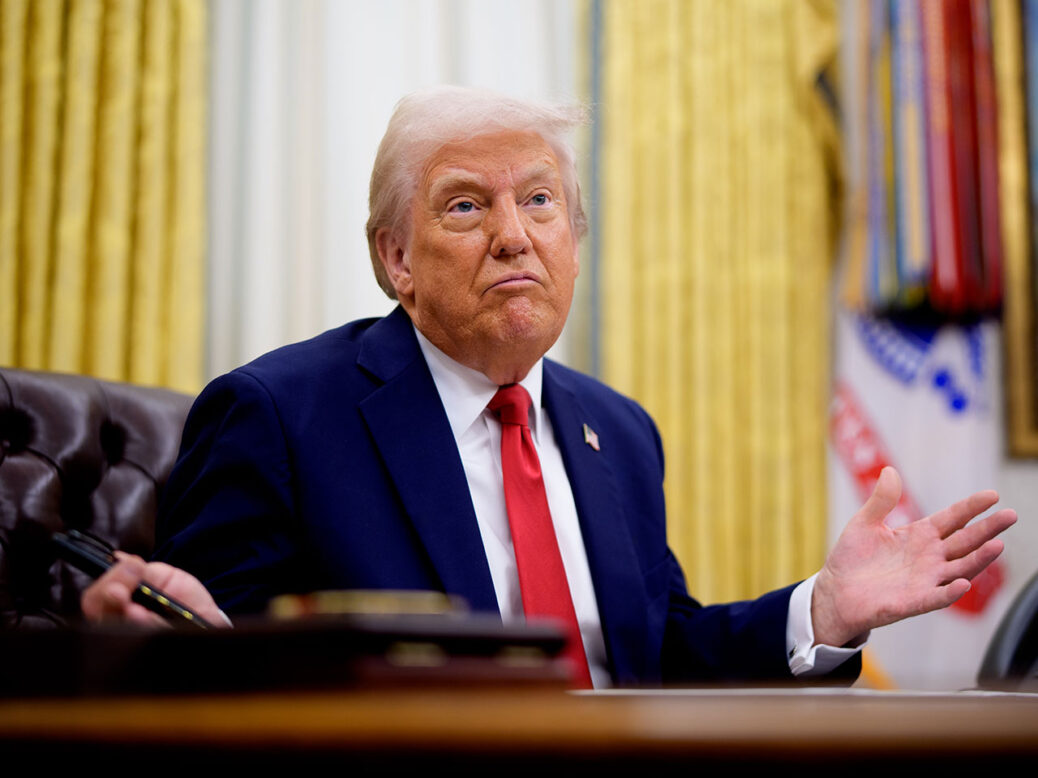
The Iran tariffs threat escalated Wednesday after President Donald Trump said the United States would impose immediate 50% duties on imports from any country supplying military weapons to Iran. He announced the move in a Truth Social post only hours after agreeing to a two-week ceasefire with Tehran.
Trump did not identify which legal authority he would use to impose the tariffs. That omission drew attention because the U.S. Supreme Court ruled in February that he had overreached by using the International Emergency Economic Powers Act to impose broad global tariffs. Since then, lower courts have also ordered refunds of part of the money collected under those earlier duties.
Iran tariffs threat raises legal questions
The White House has not yet explained how the new measure would take effect. Reuters reported that Trump may still have other trade tools available, including Section 301 or Section 232 authorities. However, both routes would require further procedures, including notice periods or investigations, before any new tariffs could be enforced.



That uncertainty matters because Trump described the tariffs as immediate and without exemptions. Yet the available legal options do not appear to support such a rapid rollout. As a result, the announcement added uncertainty not only to Middle East diplomacy, but also to U.S. trade policy.
China and Russia may be most exposed
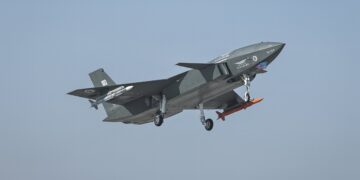
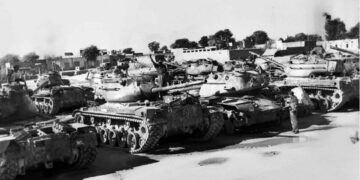
Although Trump named no countries, the policy appears directed mainly at China and Russia, which have long been linked to Iranian military support. Reuters reported that both countries have helped Iran build military capacity over time, even though Beijing and Moscow have denied supplying weapons recently.
The move could complicate Trump’s broader foreign policy. He is preparing for a planned trip to Beijing to stabilize a fragile U.S.-China trade truce. At the same time, his administration has said it wants to preserve access to Chinese rare earths while avoiding major new confrontation. Therefore, any attempt to enforce the Iran tariffs threat could quickly strain those efforts.
Russia is another possible target, but U.S. imports from Russia have already fallen sharply since the invasion of Ukraine. That means the practical trade effect could be far larger on China than on Moscow if the measure ever takes effect.