









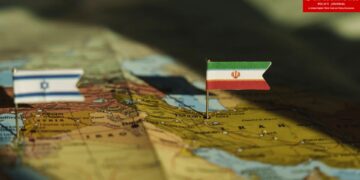





















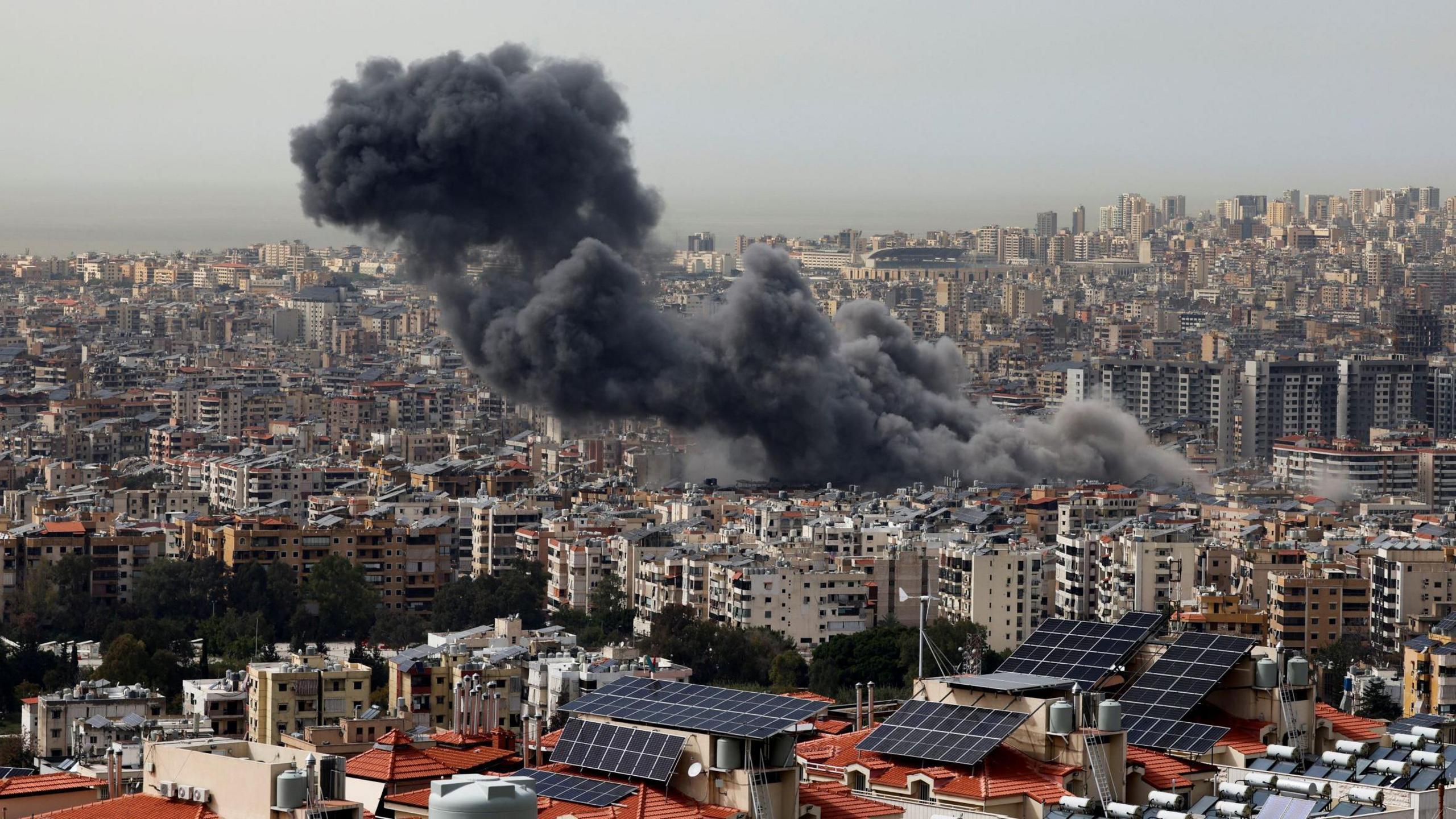
Israeli strikes killed at least 254 people in Lebanon on Tuesday, April 8, according to Lebanese authorities, in the deadliest day of the current war. The attacks came only hours after a ceasefire between the United States and Iran took effect, deepening fears that the wider region remains on the edge of further escalation.
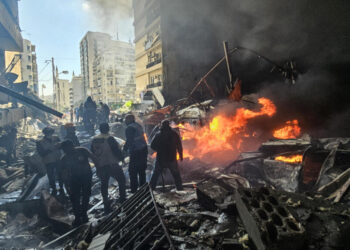
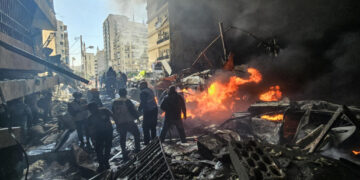
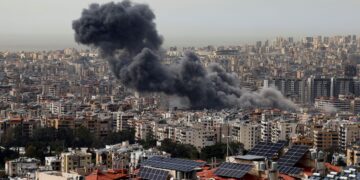
Lebanese officials said more than 1,100 people were wounded as strikes hit Beirut, the Bekaa Valley and southern Lebanon. Reuters reported that the assault lasted about 10 minutes and struck more than 100 locations, making it one of the heaviest attacks since the war began. Rescue teams continued pulling people from damaged buildings as smoke rose across parts of the capital.
Israeli strikes hit Beirut and other areas
Some of the worst damage was reported in and around Beirut, where residents said densely populated districts came under attack without warning. The United Nations later condemned the scale of the casualties, while rights officials described the destruction and deaths as horrific.


The timing of the strikes added to regional tension. Many observers had expected the U.S.-Iran ceasefire to reduce pressure on neighboring fronts. Instead, the violence in Lebanon intensified immediately, showing that the broader conflict remains highly unstable.
Civilian toll worsens humanitarian crisis
The latest assault added to Lebanon’s growing humanitarian emergency. Reuters reported that more than 1.2 million people have already been displaced during the war, while hospitals and emergency services remain under severe strain. Damage to neighborhoods, roads and public facilities has made rescue efforts even harder.
The Israeli strikes also raised fresh concern about whether diplomacy can contain the regional war. Lebanon’s leaders renewed calls for international action, while the U.N. called for independent investigations into possible violations of international humanitarian law. For now, the attacks have underscored a harsh reality: even when one front appears to calm, another can erupt with devastating consequences for civilians.