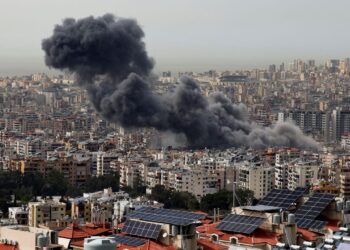


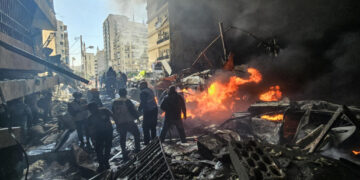

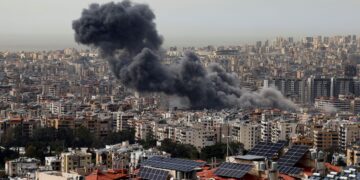


































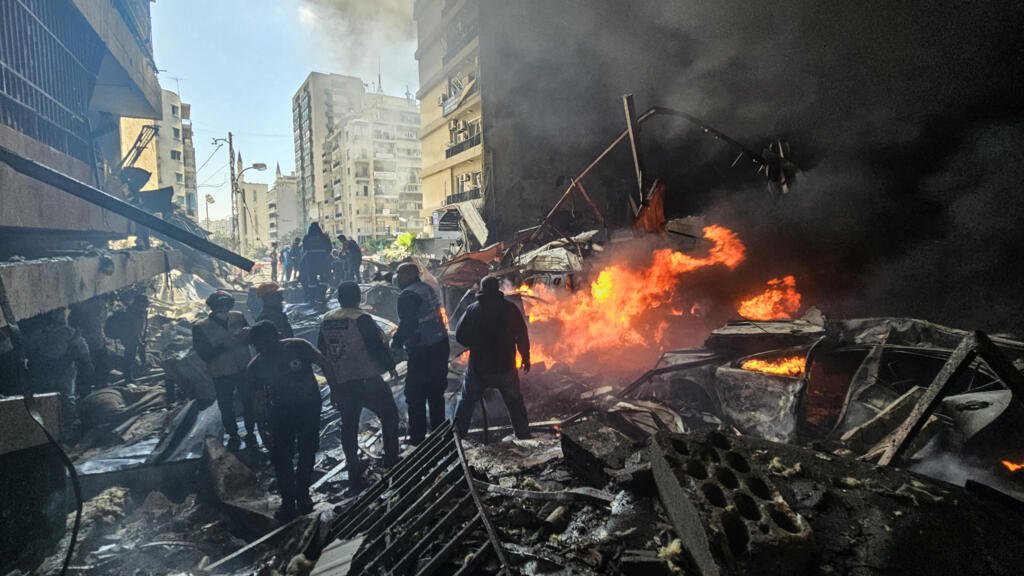
Israeli strikes on Lebanon triggered swift international condemnation after attacks on April 8 killed at least 254 people and wounded more than 1,100, according to Lebanese authorities. The reaction from governments and international organizations focused on civilian casualties, humanitarian damage and fears that the assault could deepen an already volatile regional conflict.
The strikes came only hours after a U.S.-Iran ceasefire took effect, which made their timing even more politically sensitive. International concern grew quickly because many diplomats had hoped the truce would reduce pressure across the region. Instead, the attacks raised fresh doubts about whether de-escalation on one front could hold while violence intensified on another.
Israeli strikes prompt regional condemnation
Lebanese officials denounced the attacks in strong terms and called for urgent international intervention. The scale of the casualties and the damage in Beirut added to pressure on regional governments to respond. In Arab capitals, the concern centered on the possibility that the assault could derail diplomatic efforts and widen instability across the Middle East.


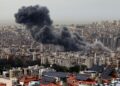
The reaction also reflected broader humanitarian fears. Lebanon is already under severe strain from displacement, damaged infrastructure and a weakened health system. Therefore, the latest bombardment was seen not only as a military escalation, but also as a major blow to civilian survival and public services.
International bodies warn of legal and humanitarian risks
The United Nations condemned the strikes and described the casualty reports as appalling. U.N. Human Rights Chief Volker Turk said the destruction and deaths were horrific and called for independent investigations into possible violations of international humanitarian law.
The International Committee of the Red Cross also expressed alarm about attacks on populated areas and renewed calls for civilian protection. These responses underscored a wider international message: even during a fragile regional truce, military action that causes mass civilian casualties will intensify scrutiny and deepen diplomatic fallout.
For now, the reaction to the Israeli strikes shows how narrow the current diplomatic opening remains. Rather than reinforcing calm after the U.S.-Iran ceasefire, the attacks pushed Lebanon back to the center of regional crisis and renewed fears of a broader war.