







































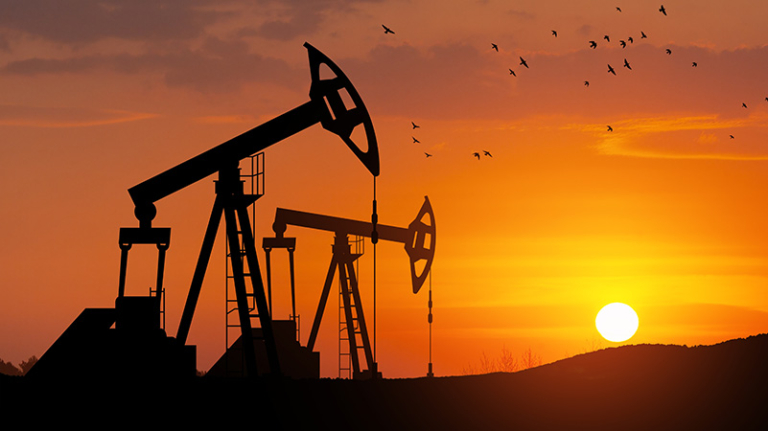
Oil prices could rise above $180 a barrel if the disruption caused by the Iran conflict continues through late April, according to Saudi officials cited in recent reporting. While higher prices can boost producer revenue, officials in the kingdom reportedly see such a spike as a serious economic and political risk.
Saudi officials are said to be modeling scenarios in which prolonged supply disruption pushes prices sharply higher. Their concern is not only about short-term volatility. They also fear that sustained high prices could weaken long-term demand, hurt the global economy and make Saudi Arabia appear to be profiting from a war it did not start.
Oil prices alarm Saudi officials
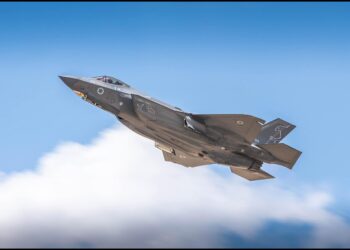
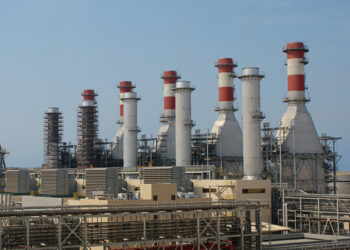
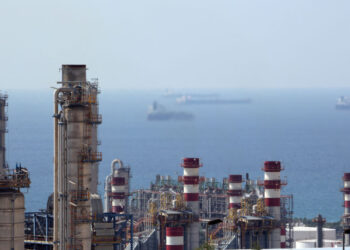
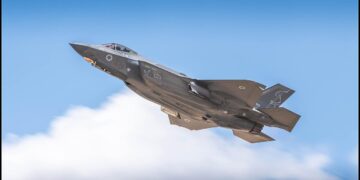
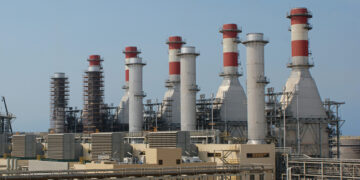
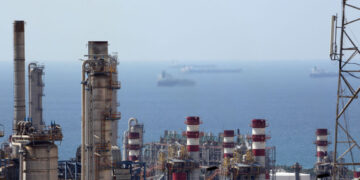
Recent attacks on Gulf energy infrastructure have intensified those fears. Israeli strikes on Iranian gas facilities were followed by Iranian retaliation against sites in Saudi Arabia, Qatar, the UAE, Kuwait and Bahrain. Those attacks have damaged or disrupted key facilities and increased pressure on oil and gas flows across the region.



Brent crude recently climbed to about $119 a barrel before easing somewhat, while Oman-linked crude futures surged above $166. Those moves reflected fears that the war could keep removing millions of barrels a day from the market. As a result, buyers have grown more uneasy about relying on volatile regional pricing benchmarks.
Gulf disruption deepens market anxiety
Saudi officials reportedly worry that extremely high oil prices could trigger demand destruction and even recession. That would hurt producers as well as consumers. Therefore, the kingdom’s preferred outcome remains moderate price gains with stable market share, not a sharp and damaging surge.
Saudi Aramco is now preparing its next official selling prices while market modelers assess customer demand and future supply conditions. At the same time, the broader war has already removed significant volumes from global markets and raised fears of longer-term instability across energy trade routes.
Analysts say prices could move even higher if the current disruption worsens or lasts longer than expected. For now, Saudi Arabia’s concern is clear: a price surge might bring temporary gains, but it could also deepen global economic strain and leave lasting damage in energy markets.