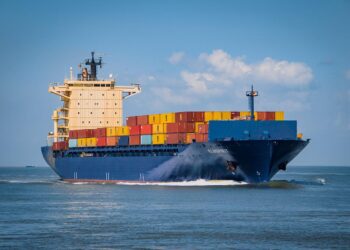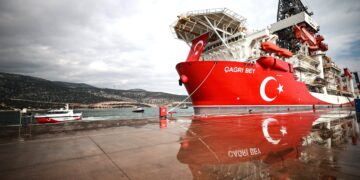








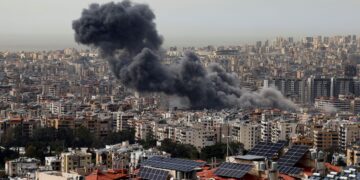





































Global shipping disruptions are continuing despite the temporary ceasefire between the United States and Iran, as major logistics firms report high costs, stranded vessels and no quick return to normal Gulf traffic. Although energy prices have eased since the truce, companies say uncertainty around the Strait of Hormuz is still disrupting supply chains and transport planning.
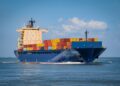
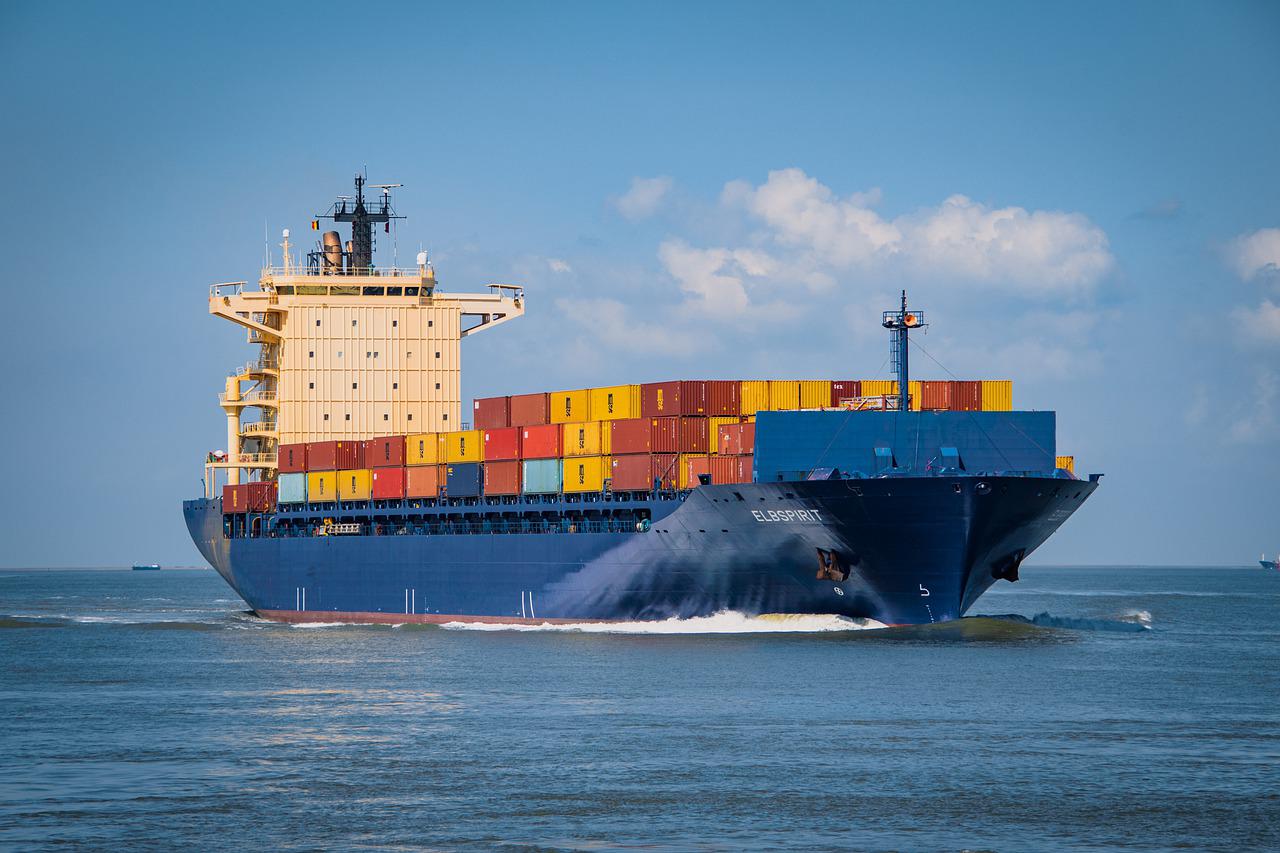
German shipping giant Hapag-Lloyd said it had previously suspended all transits through the Strait of Hormuz and the Suez Canal, along with bookings to and from the Upper Gulf. The company said six of its vessels remain trapped in the Gulf, removing about 25,000 TEUs of capacity from the market. A TEU is the standard size used to measure container capacity.
Shipping disruptions keep costs elevated
Hapag-Lloyd said the crisis has sharply increased spending on fuel, insurance, storage and inland transportation. Earlier estimates put the company’s extra weekly costs at $40 million to $50 million. Reuters later reported that the figure had risen to about $50 million to $60 million a week as disruption spread through its wider global network.



The company also introduced extra fees, including war risk and fuel surcharges. In addition, rerouting ships around the Cape of Good Hope has added costs linked to fuel burn and carbon compliance. These pressures show that the truce has lowered immediate market panic, but it has not yet restored normal trade conditions.
Alternative routes still under strain
DHL said the suspension of maritime traffic through Hormuz and airspace limits in the region had made global supply chains more complex. To respond, the company redirected some cargo away from affected areas and activated alternative gateways in the Gulf Cooperation Council region, including Riyadh and Muscat. It also added trucking options and extra network flights to Bangalore and Delhi to support Asia-Europe trade lanes.
Even so, companies say capacity remains tight and operating costs are still rising. Therefore, the current pause in fighting has not yet translated into a normal flow of goods. Instead, shipping disruptions remain a central risk for trade, especially if confidence in Hormuz transit does not recover quickly.