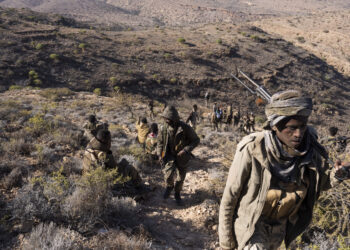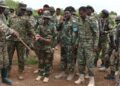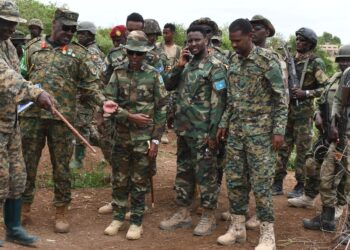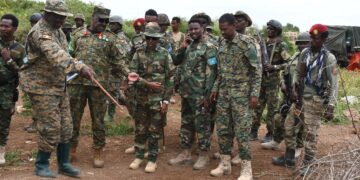






































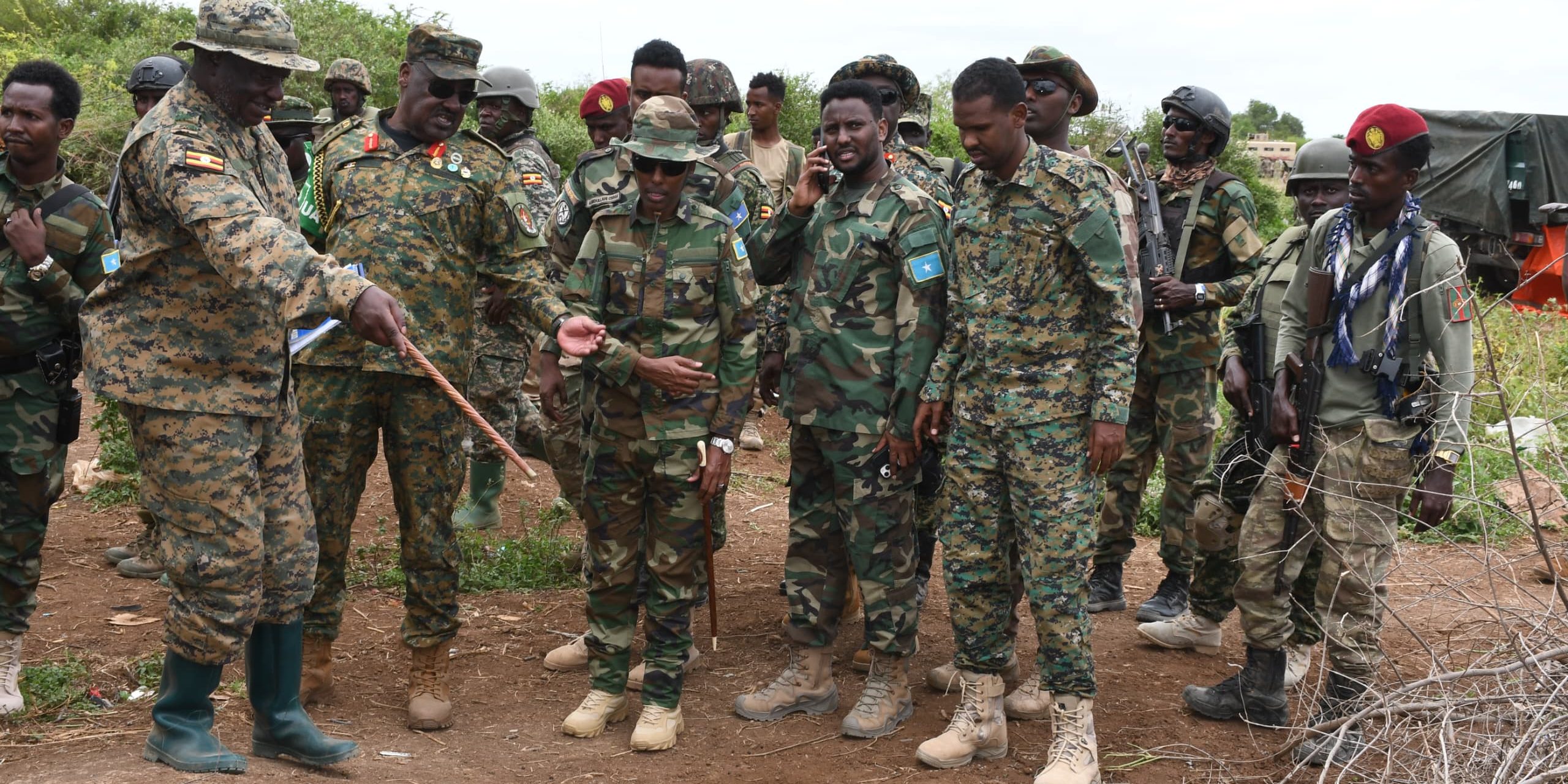
The Somali military has continued operations against Al-Shabaab as part of a sustained campaign to weaken the armed group across central and southern Somalia. Backed by African Union forces and international partners, Somali troops have increased pressure on the group while officials say its fighters are being forced to hide and flee under continued assaults.
Since President Hassan Sheikh Mohamud declared a “total war” against Al-Shabaab in 2022, Somali forces have carried out a series of operations aimed at dismantling the group’s networks, cutting its supply routes and reducing its ability to operate openly. The campaign has focused on towns, rural areas and roads considered important to security and movement.
Somali military expands operations since 2022
In August 2022, the government launched a broad counteroffensive that it said freed more than 200 villages, towns and junctions from Al-Shabaab, especially in Hirshabelle and Galmudug. Those operations, carried out by the Somali National Army and allied local forces, targeted routes and areas the group had used for movement, pressure and illegal taxation.



The campaign continued in 2023 with a second phase that focused on southern areas closer to Mogadishu, including Lower Shabelle and parts of Gedo. At the same time, the government introduced amnesty offers aimed at encouraging defections among lower- and mid-level fighters.
Pressure continues in 2025 and 2026
Somali forces have maintained that pressure through continued operations in several regions. In 2025 and 2026, the military, supported by the African Union Support and Stabilization Mission in Somalia and partner forces, expanded operations in Lower Shabelle and other southern zones.
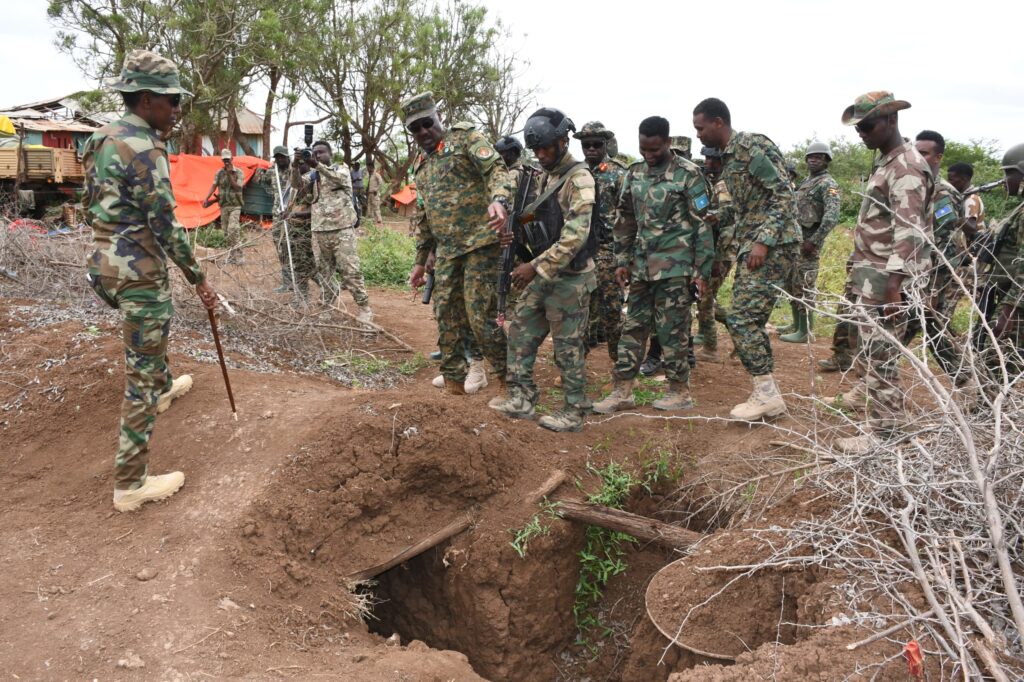
In March 2026, the government said Operation Rolling Thunder, conducted jointly by Somali forces and allied troops, secured the Daarusalaam and Mubaarak areas. Officials said the operation destroyed Al-Shabaab command positions and weapons storage sites, while militants had to retreat from the targeted locations.
According to Somali authorities, the current strategy is not only to strike the group directly, but also to prevent it from regrouping, moving openly or threatening civilians. Officials say the campaign is intended to keep Al-Shabaab under constant pressure and limit its ability to organize attacks.
Group remains a security threat
Despite that pressure, Al-Shabaab continues to carry out bombings, raids and attacks on civilian and military targets. Those incidents show that the group still poses a serious threat, even as Somali forces work to disrupt its networks and keep its members from operating freely.
The government and its partners say military action alone will not be enough to secure long-term stability. They argue that progress must also depend on stronger local administration, justice systems, public services and economic opportunities in areas cleared by the military.
For many Somalis, the continuing operations have raised hopes for greater security, although fear of renewed violence remains. Even so, recent campaigns have highlighted the growing capacity of the Somali military to pursue Al-Shabaab, disrupt its activities and keep the group under pressure.