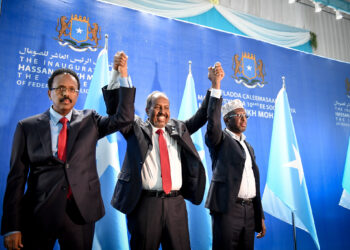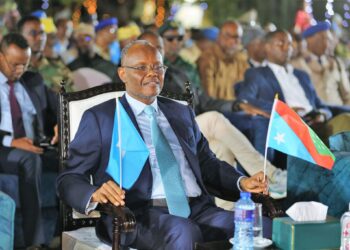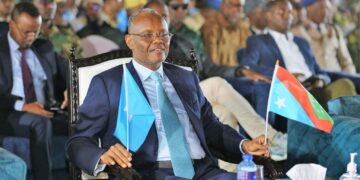

































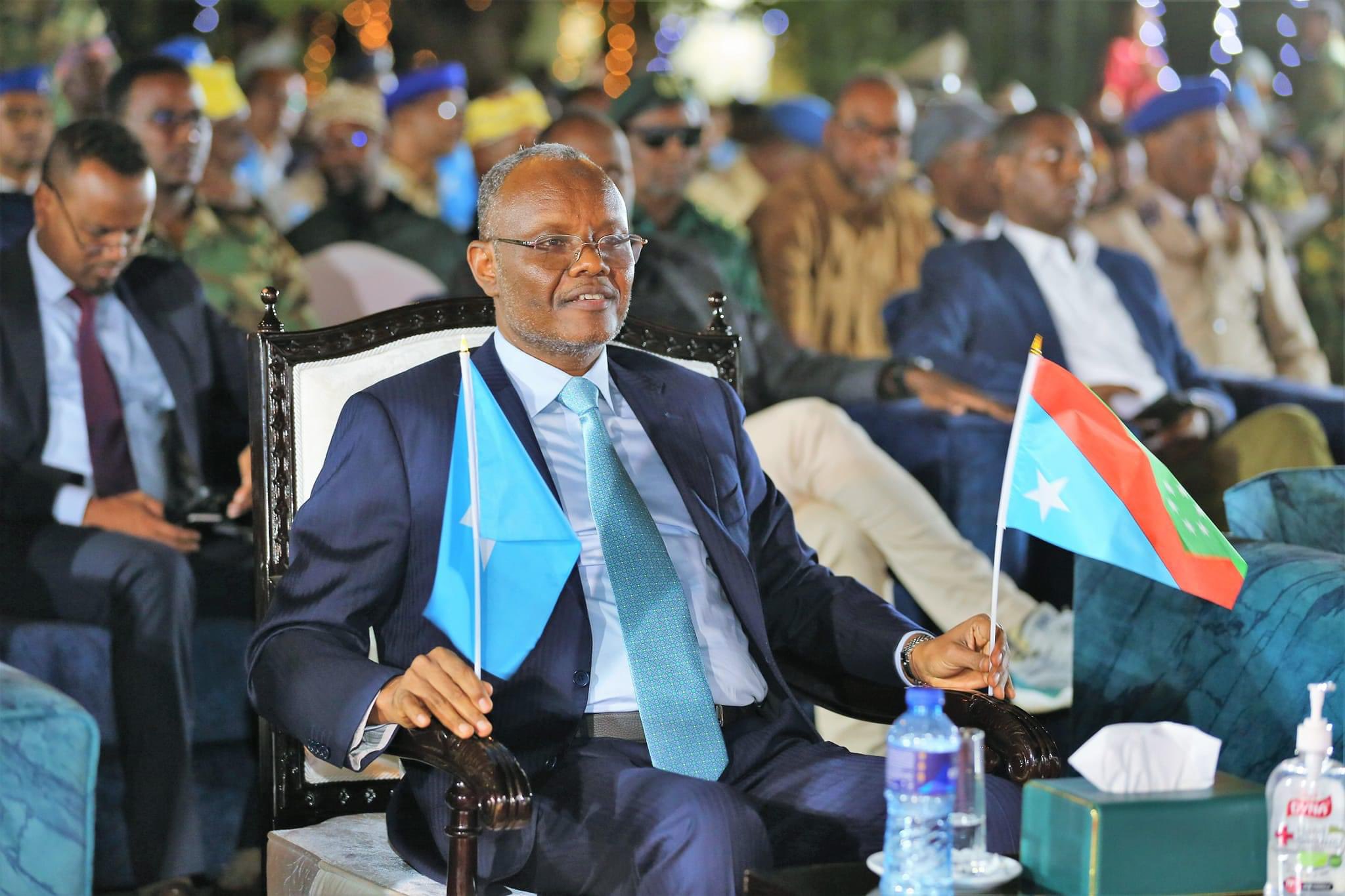
The Southwest State vote in Baidoa has pushed Somalia’s Southwest State deeper into political crisis after President Abdiaziz Laftagareen secured re-election through a process critics describe as rushed, exclusionary and constitutionally dubious. While the vote was presented by his camp as a legal renewal of authority, the way it was organized has instead sharpened questions about legitimacy, timing and intent.
The core problem is not only that the election moved quickly. It is that Laftagareen’s mandate had long been contested, his continued stay in office had already relied on temporary political arrangements, and the latest process appeared designed to close off meaningful competition rather than resolve the dispute. That is why the Baidoa vote looks less like a normal democratic exercise and more like a political maneuver to preserve power before opposition pressure could fully organize.
Southwest State vote followed years of mandate dispute
Under Southwest State’s constitution, the presidential term is four years. That meant Laftagareen’s original mandate expired on Dec. 19, 2022. Before that deadline, the regional parliament granted him a one-year extension, officially to align the terms of the executive and legislature. Although controversial, that extension was later politically accommodated through understandings supported by the federal government, allowing him to remain in office through the end of 2023. This left him in power, but not on the basis of a clean or uncontested mandate.
That background matters because it framed everything that followed. Once a leader remains in office beyond an initial term through exceptional arrangements, the burden shifts to the next electoral process to restore legitimacy. In Baidoa, however, the opposite happened. Instead of reopening political space, the process appeared to narrow it further.
A fast-track process with little credible competition
The most controversial phase began on March 23, when Laftagareen appointed an electoral committee. Days later, on March 28, the process moved at extraordinary speed. Parliamentary representatives were listed, sworn in and then used to elect the president in a compressed sequence that left no real room for open competition. Reports from Baidoa say the parliamentary leadership was elected and the presidential vote followed almost immediately after, making the entire exercise look less like a contest and more like a tightly managed confirmation.
That speed is central to the criticism. Elections can be indirect and still be legitimate, but they cannot be credible when the basic conditions of fairness are missing. In this case, opposition participation was either absent or politically constrained, alternative candidates had little visible room to campaign, and the process ended on the same day it was effectively activated. The result was predictable: Laftagareen was the main beneficiary of a timetable that appeared built for him.
Why critics call the process illegitimate
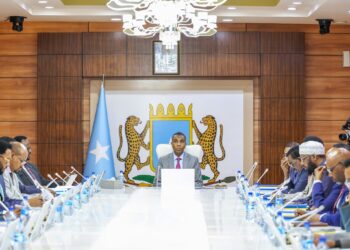
The federal government moved quickly to reject the result. Mogadishu described the election as illegal, unconstitutional and effectively self-serving. That response did not come in isolation. It followed an already worsening dispute between the federal government and Southwest State leadership, including the region’s earlier decision to suspend cooperation with Mogadishu. In that wider context, the Baidoa vote looked less like institutional continuity and more like an escalation in an already open power struggle.
Critics also argue that the intent behind the process was transparent. Knowing his original term had expired long ago and facing growing political pressure, Laftagareen appeared to act with urgency to manufacture legal cover before opposition forces could strengthen their position. That interpretation is reinforced by the timing: the committee was appointed only days before the vote, the schedule was compressed, and the election itself was concluded earlier than the announced multi-day process once it became clear there was no credible challenge inside the framework he had constructed.
Crisis in Baidoa now carries security risks
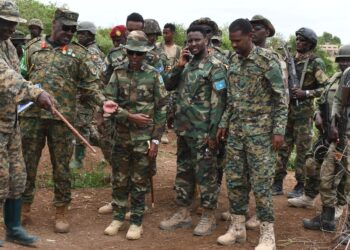
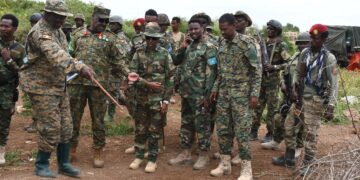
The crisis is no longer only political. Reports on March 28 said federal forces were moving toward Baidoa from Buurhakaba as tensions rose over the dispute. That military dimension makes the legitimacy crisis even more dangerous. Once electoral disputes begin to overlap with troop movements, the risk shifts from procedural controversy to direct confrontation.
For ordinary residents, this is the most worrying outcome. Southwest State needed a credible and open process to settle a long-running mandate question. Instead, it got a hurried vote that seems to have deepened mistrust, hardened the regional-federal split and increased the possibility of armed escalation. That is why the issue is larger than Laftagareen himself. It goes to the broader question of whether power in Somalia’s federal member states is being renewed through legitimate political consent or protected through rushed procedural control.
In the end, the Baidoa election may have delivered Laftagareen another term on paper, but it did not resolve the underlying legitimacy problem. On the contrary, the Southwest State vote appears to have exposed it more clearly than before. And unless that crisis is addressed through a process seen as genuinely open and constitutional, the political fallout is likely to continue well beyond the ballot itself.