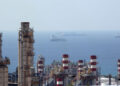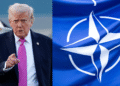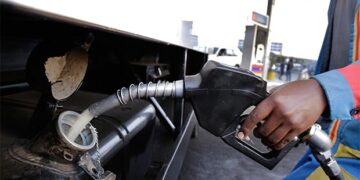








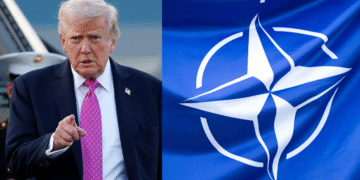

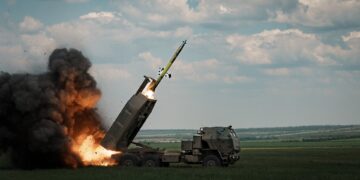


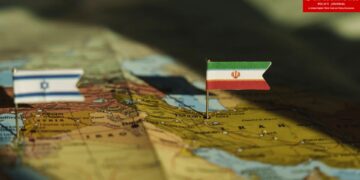



















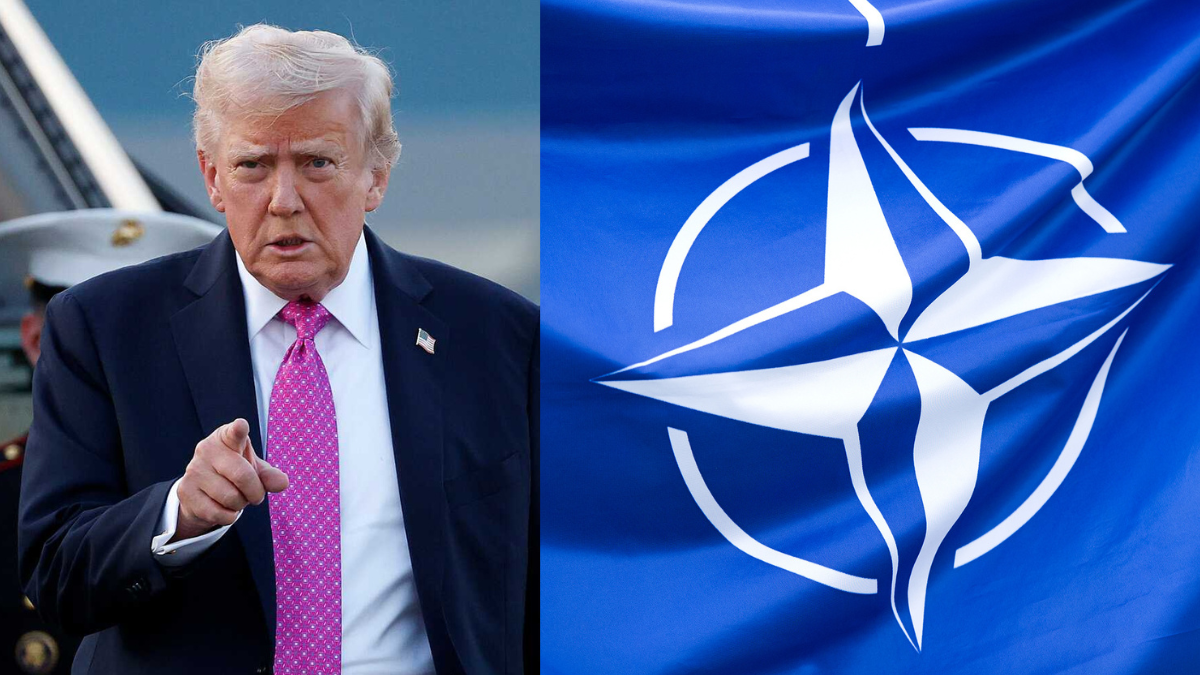
Trump NATO criticism sharpened Friday as President Donald Trump accused alliance members of refusing to support the U.S.-Israeli war on Iran while still complaining about rising oil prices. His comments came as the Strait of Hormuz remained under heavy disruption and the regional war continued to shake global energy markets.
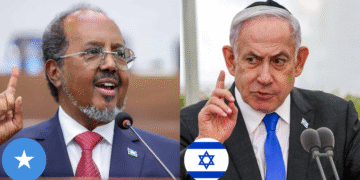
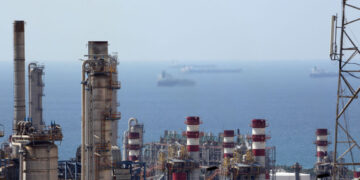
In a post on Truth Social, Trump called NATO countries “cowards” and said they would be remembered for refusing to help secure shipping through the Strait of Hormuz. He argued that allies were unwilling to take what he described as a low-risk military step to reopen the waterway, even as high oil prices affected their economies.
Trump NATO criticism grows as allies hold back
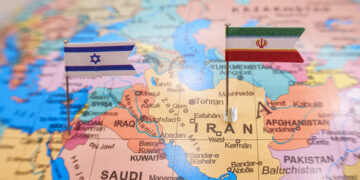
Trump’s remarks reflected growing frustration inside his administration over the limited international response to the war. Since U.S.-Israeli strikes on Iran began on Feb. 28, Washington has pressed allies to help protect commercial shipping and stabilize the Gulf. However, European leaders have shown no sign of joining the conflict directly.


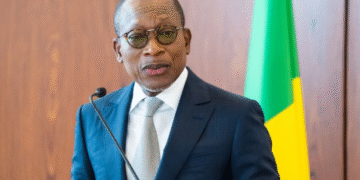
French President Emmanuel Macron said after an EU summit in Brussels that defending international law and promoting de-escalation was the best course available. He also said he had not heard any leader express willingness to enter the war. That position underscored the gap between Washington’s demands and Europe’s preference for restraint.
NATO adjusts Iraq mission as war pressure spreads
The dispute widened as NATO confirmed it was adjusting its mission in Iraq because of the Iran war. Alliance officials said personnel had been safely relocated to Europe, while a spokesperson described the move as a posture adjustment rather than a permanent withdrawal. The shift highlighted how the broader conflict is now affecting military deployments beyond Iran and Israel.
European leaders also spent much of their Brussels meeting discussing the war’s effect on energy costs and inflation. Officials debated possible reforms to energy trading rules, but reports from the summit suggested no shared position had emerged on a common response. As a result, the economic fallout from the conflict remains a major concern across the bloc.
For now, Trump NATO criticism is likely to deepen trans-Atlantic friction rather than change allied policy. Europe has signaled that it wants de-escalation, not military expansion. Therefore, the dispute over Hormuz and oil prices may become another test of alliance unity as the Iran war continues.