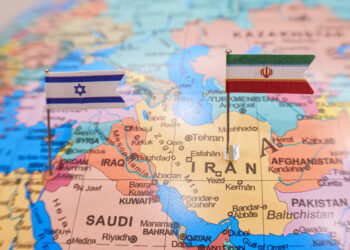




















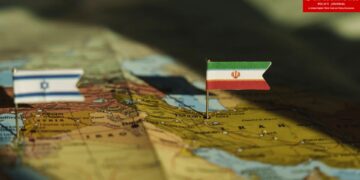

























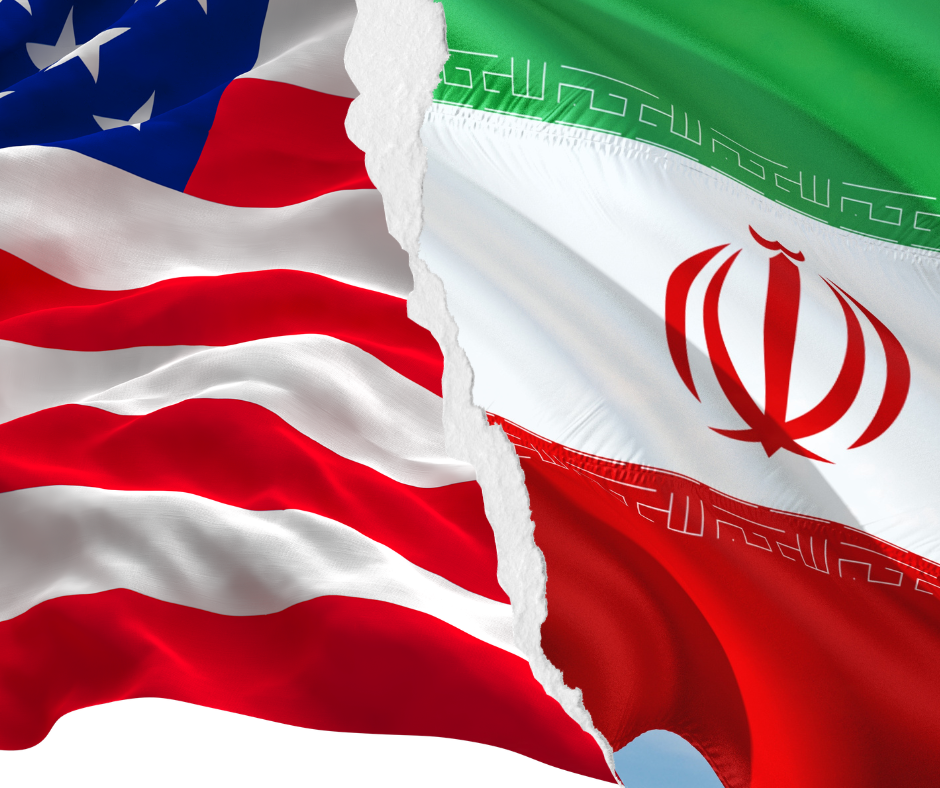
The U.S.-Iran ceasefire took effect this week after more than a month of intense military confrontation across the Middle East. The two-week truce has lowered the immediate risk of wider war, but major disagreements over sanctions, shipping, uranium enrichment and regional security remain unresolved.
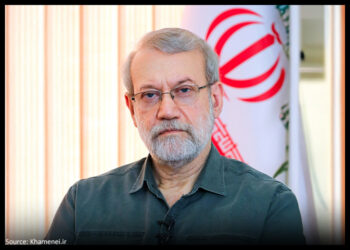
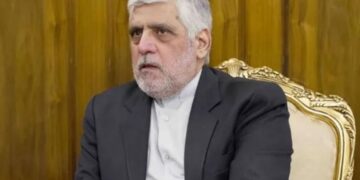
President Donald Trump announced the agreement after mediation led by Pakistan. He said Iran had submitted a 10-point proposal that Washington considered a workable basis for further talks. Reuters reported that U.S. officials are now preparing for follow-up negotiations, while Iranian officials say they will approach those discussions with caution because of deep mistrust.
U.S.-Iran ceasefire opens room for talks
The ceasefire followed weeks of failed diplomacy and rising pressure on both sides. Reuters reported that Iran rejected an earlier U.S. 15-point framework in March, then later advanced its own 10-point plan. That proposal called for sanctions relief, access to frozen assets and wider political guarantees, while Washington continued to press for tougher limits on Iran’s nuclear and military capabilities.


The Strait of Hormuz remains one of the most sensitive issues. During the truce, Iran agreed to coordinated passage through the waterway, but Iranian officials have also signaled that military oversight and stricter regulations may continue. That means the ceasefire has reduced tension, but it has not fully settled the legal and strategic dispute over one of the world’s most important shipping routes.
Key issues still threaten the truce
Several core disputes remain open. Uranium enrichment is still a major sticking point, and Reuters reported that Trump dismissed one leaked Farsi version of Iran’s proposal as fraudulent because it appeared to preserve enrichment rights. Iran, meanwhile, continues to insist on sovereignty, legal guarantees and relief from economic pressure.
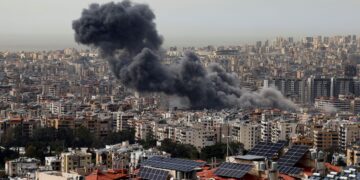
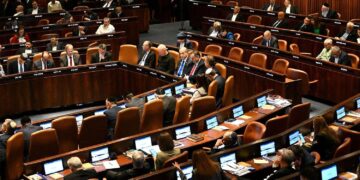
Regional tensions also remain high. Israel has supported the ceasefire with Iran, but Reuters reported that it will continue military action in Lebanon. That leaves the broader region unstable, even as Washington and Tehran prepare for another round of talks in Pakistan on April 10.
The U.S.-Iran ceasefire has created a narrow opening for diplomacy. However, the pause remains fragile because the underlying disputes are still intact. Unless both sides can narrow those differences quickly, the truce may delay escalation rather than end it.