






































The International Day of Living Together in Peace highlights the growing importance of peaceful coexistence in the Horn of Africa. As the region faces political transitions, security challenges and economic uncertainty, dialogue and trust remain central to long-term stability.
Observed each year on May 16, the day promotes dialogue, inclusion and reconciliation. These themes continue to shape discussions across the Horn of Africa as governments and communities respond to changing regional dynamics.
Dialogue remains central to stability
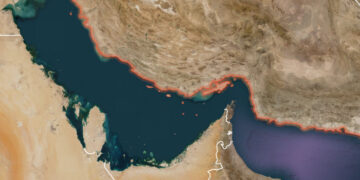
The Horn of Africa sits along the strategically important Red Sea, Gulf of Aden and Indian Ocean routes. Consequently, the region continues to attract global political and economic attention.

At the same time, countries across the region face insecurity, climate shocks, displacement and fragile political transitions. These overlapping pressures have increased the need for peaceful engagement and institutional cooperation.
In this environment, dialogue serves as more than a diplomatic process. It also helps societies manage political competition, reduce tensions and strengthen coexistence.
Political disagreements remain common in democratic and transitional systems. However, trust allows leaders and communities to address disputes through constitutional and institutional channels instead of confrontation.
Somalia’s experience with reconciliation
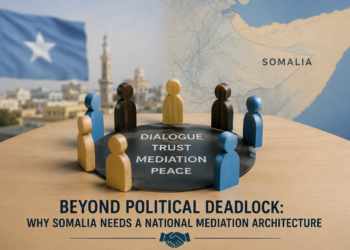
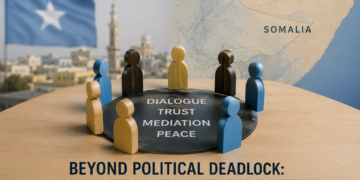
Somalia’s state-building process reflects many of the wider regional realities. Over recent decades, the country has navigated reconciliation efforts, constitutional debates and federalisation discussions.
These processes have involved consultations among political leaders, traditional elders and civil society groups. Although challenges remain, Somalia’s experience demonstrates the importance of mediation and negotiated political solutions.
Trust also plays a major role in institutional development. Legal systems and governance structures require public confidence to function effectively. Without trust, even small political disagreements can escalate into wider instability.
Regional cooperation and inclusion
Many of the Horn’s current challenges cross national borders. Insecurity, refugee movements, economic pressures and violent extremism increasingly require regional cooperation.
As a result, governments continue to rely on diplomatic engagement and joint conflict prevention efforts. Meanwhile, growing geopolitical competition around the Red Sea has increased international interest in the region.
Local communities also remain essential to peacebuilding efforts. Traditional elders, women’s groups, youth organisations and religious leaders often support social cohesion and local mediation.
Peaceful coexistence and long-term resilience
Reconciliation continues to be a long-term process in societies affected by conflict and political division. Nevertheless, dialogue and inclusive engagement remain critical for rebuilding trust and strengthening national unity.
The future stability of the Horn of Africa will not depend on eliminating political differences. Instead, lasting peace will depend on how leaders and communities manage disagreements through peaceful coexistence, mutual respect and constructive dialogue.