


















































The Ethiopia-UK economic partnership is expanding beyond traditional aid, with both countries agreeing to deepen cooperation in trade and investment. The move could influence economic trends across the Horn of Africa, including Somalia.
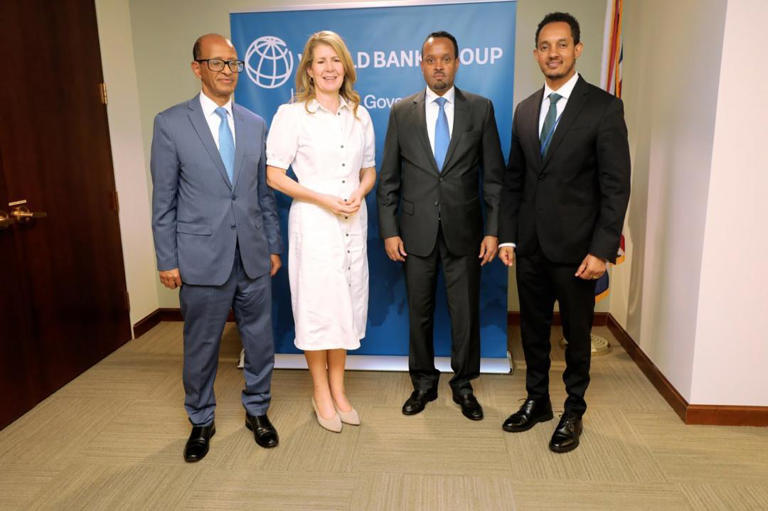
The agreement followed talks between Ahmed Shide and Baroness Chapman. The meeting took place on the sidelines of the IMF–World Bank Spring Meetings 2026 in Washington.
Shift from aid to investment
Both sides reaffirmed their long-standing ties. However, they also agreed to expand cooperation into trade, private investment, and economic growth.



Ethiopia highlighted ongoing reforms aimed at improving its business environment. Officials said these changes could attract more foreign investment despite global economic pressures.
Meanwhile, the UK welcomed Ethiopia’s reform progress. It emphasized the importance of continued engagement to support sustainable and inclusive development.
Regional impact for Somalia
The Ethiopia-UK economic partnership could have indirect effects on Somalia. Stronger economic growth in Ethiopia may boost regional trade and cross-border investment.
In addition, improved stability in Ethiopia supports broader economic integration across East Africa. Somalia could benefit from increased trade flows and infrastructure links.
Focus on long-term cooperation
Both countries agreed to elevate their relationship into a broader economic partnership. This includes expanding trade opportunities and supporting private sector development.
They also stressed the importance of long-term cooperation rather than short-term aid dependence. As a result, future projects may focus more on investment and economic resilience.
Although challenges remain, the Ethiopia-UK economic partnership reflects a wider shift in global development strategy. For Somalia and neighboring countries, this shift could create new economic opportunities in the region.