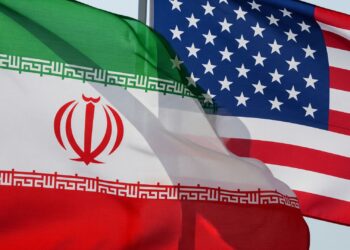
















































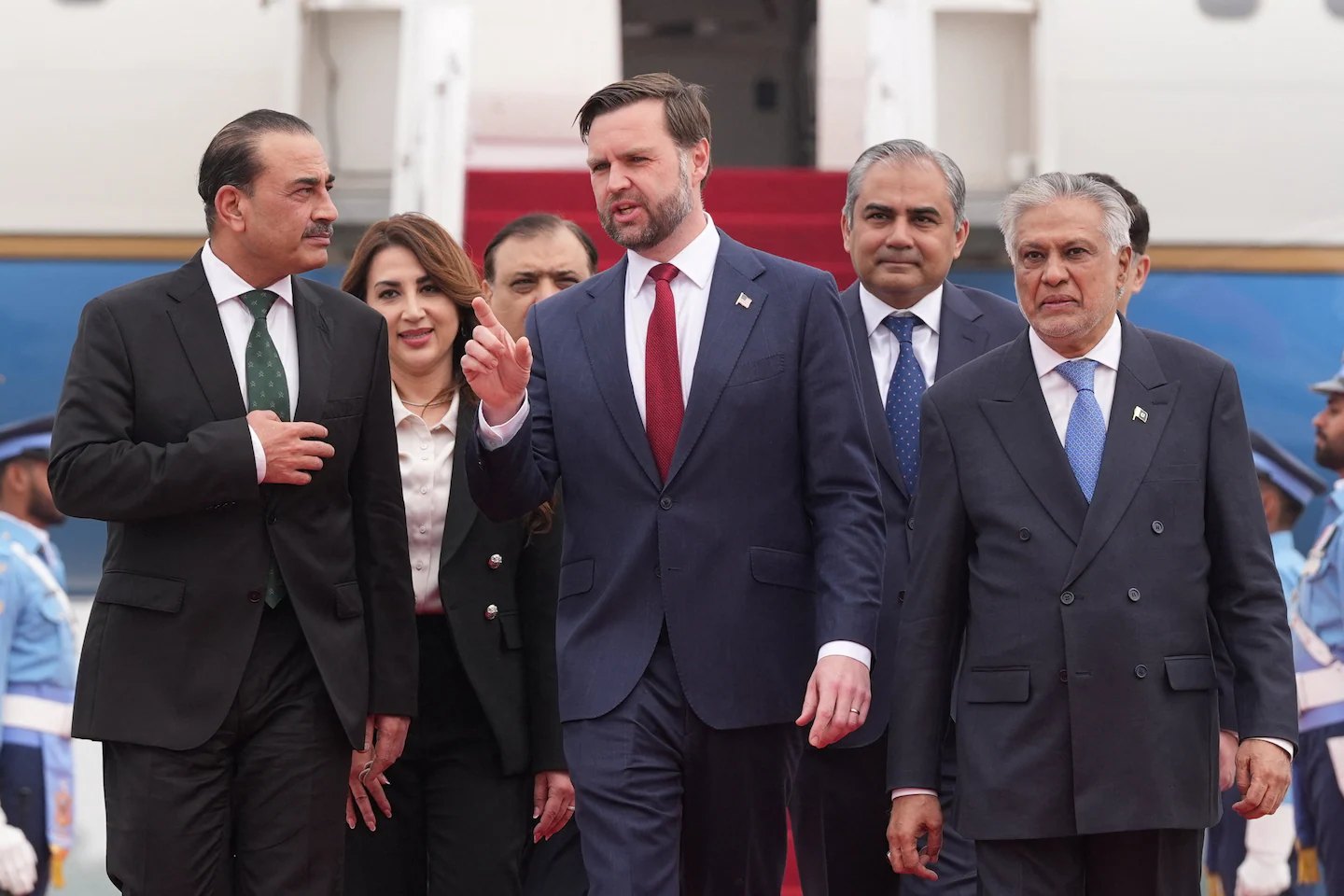
US-Iran talks are expected to resume in Pakistan as both sides prepare for a second round of negotiations before a temporary ceasefire expires. The meeting could carry wider implications for Somalia and the Horn of Africa.
According to multiple media reports, US Vice President J.D. Vance is expected to travel to Islamabad for the discussions. Senior US officials are also expected to join the delegation.
Diplomatic efforts continue
The planned US-Iran talks follow weeks of indirect diplomacy. Mediators from Pakistan, Egypt and Türkiye reportedly encouraged Tehran to return to negotiations.



Iran had delayed its final decision while internal discussions continued. However, officials now appear ready to consider another meeting.
At the same time, uncertainty remains. Iranian authorities have not formally confirmed when their delegation will arrive in Islamabad.
Regional impact for Somalia
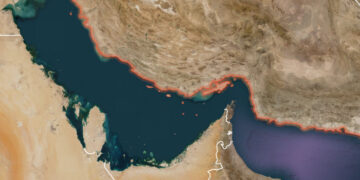
The US-Iran talks matter beyond the Middle East. Somalia depends on stable shipping routes and energy supplies linked to Gulf markets.
If tensions ease, fuel prices could stabilize across East Africa. In contrast, renewed conflict may raise transport costs and disrupt trade.
Somali officials continue to monitor the situation because regional instability often affects food imports and commercial activity.
Ceasefire deadline approaches
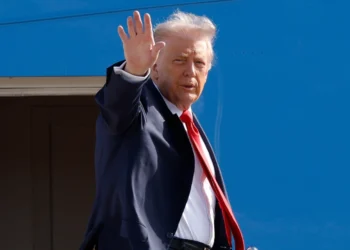
The next talks come as the ceasefire deadline nears. US President Donald Trump has suggested the timeline could be extended if negotiations show progress.
However, he has also warned that military action could resume if talks collapse. That possibility keeps financial markets cautious.
Diplomats say a full agreement may not emerge immediately. Still, even limited progress in the US-Iran talks could reduce pressure on regional trade routes.
For Somalia, any reduction in tensions could help protect shipping lanes that support the country’s economy and supply chains.