

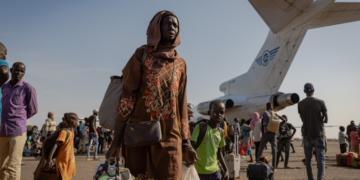





































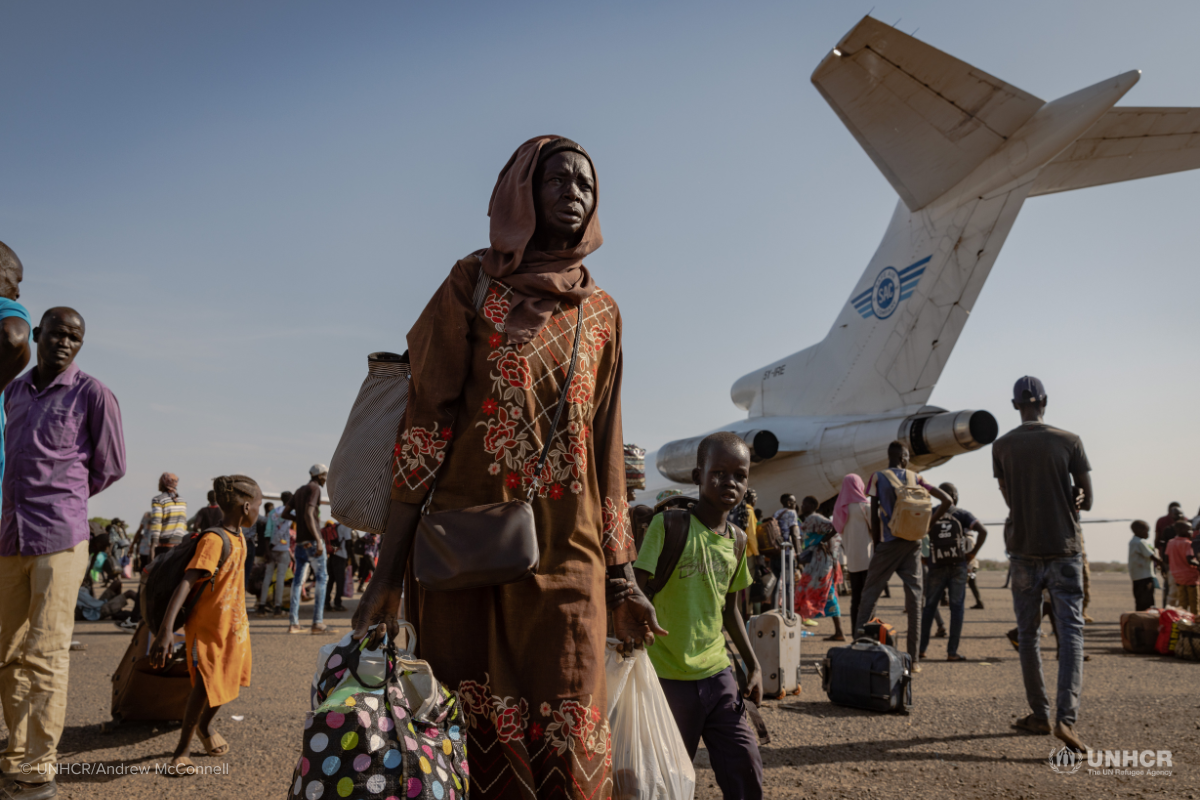
The Sudan returns crisis is intensifying as nearly four million people go back to their homes, despite widespread damage to infrastructure and limited access to basic services.
However, aid agencies warn that these returns may not last without urgent support. Many communities still lack water, electricity, healthcare, and housing.
Returns rise despite challenges
The International Organization for Migration reports that most returnees have settled in Khartoum and Al Jazirah. These areas remain heavily affected by conflict and destruction.



Although returning home signals hope, many families face harsh realities. Damaged homes and weak services continue to disrupt daily life.
At the peak of the conflict, nearly 12 million people fled their homes. Meanwhile, more than four million crossed into neighboring countries. Today, about nine million people remain internally displaced.
Infrastructure gaps hinder recovery
The Sudan returns crisis highlights major gaps in essential services. Water systems, الكهرباء networks, and health facilities remain severely damaged, especially in Khartoum.
In addition, agricultural systems in Al Jazirah have collapsed, limiting food production and income opportunities. As a result, many returnees struggle to rebuild livelihoods.
Humanitarian officials stress that access to housing, jobs, and services is critical. Without these, returns may become temporary rather than permanent.
Funding shortfalls add pressure
The IOM says its 2026 response plan still faces a funding gap of nearly $100 million. This shortfall limits efforts to restore services and support communities.
Moreover, more than two million additional people are expected to return to Khartoum this year. This could further strain already fragile systems.
Although returns continue, the Sudan returns crisis shows that recovery depends on sustained investment. Without stronger support, progress may stall and displacement could rise again.