









































Japan arms export policy has shifted significantly after Tokyo eased long-standing restrictions, allowing broader weapons sales to partner countries. The move reflects changing security dynamics with possible implications for Somalia and global markets.
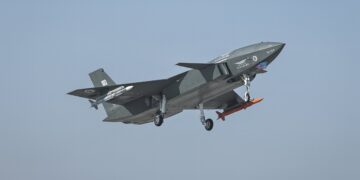
Officials confirmed that Japan will now permit arms exports beyond limited categories such as rescue and surveillance. As a result, the country can supply military equipment, including lethal weapons, to key partners.
Expanded defense cooperation
Under the revised Japan arms export policy, Tokyo can sell weapons to countries with existing defense agreements. These include the United States and United Kingdom.



However, restrictions remain in place for countries involved in active conflicts. Authorities also said exceptions could apply under specific conditions.
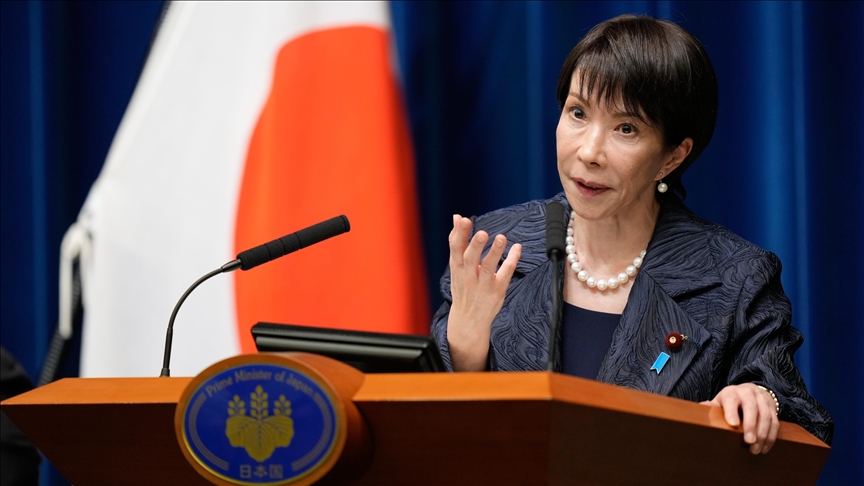
Prime Minister Sanae Takaichi stated that the changes aim to strengthen national security while maintaining Japan’s long-standing commitment to peace.
Shift from pacifist tradition
Japan’s defense policy has been shaped by its post-World War II constitution, which limits military activity. However, this stance has gradually evolved in recent years.
Earlier reforms under Shinzo Abe and Fumio Kishida opened the door to limited arms cooperation and exports.
Now, the latest policy change marks a further step toward expanding Japan’s defense role. Supporters argue that new threats require updated strategies.
Regional and global implications
The Japan arms export policy shift comes amid rising tensions in East Asia. Ongoing disputes involving China, Russia, and North Korea continue to shape regional security concerns.
Japan also recently joined military exercises with the Philippines and the United States. This signals closer defense cooperation among allies.
For Somalia, the policy change highlights shifting global security trends. Increased arms trade and geopolitical competition may affect international markets and stability.
Although debate continues, the Japan arms export policy marks a turning point in Tokyo’s defense approach.