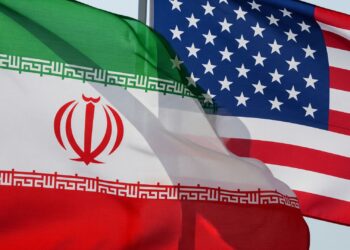









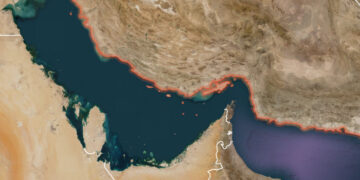



































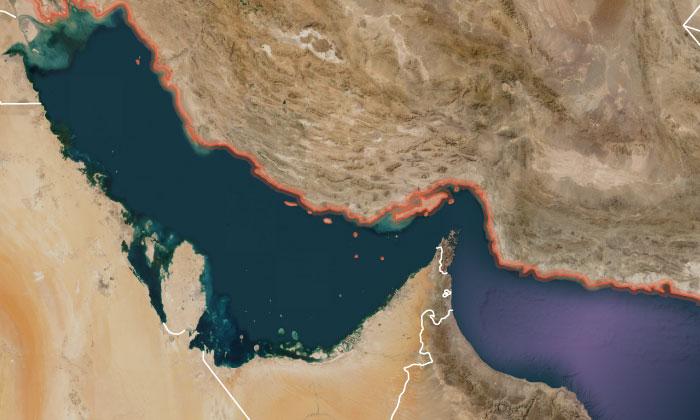
Hormuz shipping disruption intensified this week as separate US and Iranian blockades slowed vessel traffic through the critical النفط corridor. The situation is raising concerns in Somalia and across global markets.
However, only a handful of ships have managed to cross the Strait of Hormuz in recent days. As a result, uncertainty continues to affect energy supplies and trade routes.
Limited crossings amid rising tensions
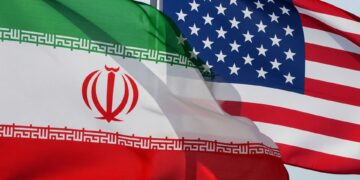
Although Iran announced plans to reopen the Strait of Hormuz, the United States maintained restrictions on vessels linked to Iranian ports. Consequently, maritime traffic remains severely constrained.



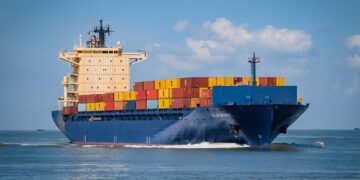
Tracking data shows only four vessels crossed the strait since Sunday. Meanwhile, several ships turned back after encountering naval warnings or operational risks.
Some tankers altered routes mid-journey, while others stayed near safer waters around Muscat. In addition, US forces reportedly redirected multiple vessels attempting to pass through restricted zones.
Impact on global shipping and Somalia
The Hormuz shipping disruption has broader implications for Somalia. The country relies heavily on imported fuel and goods transported through Gulf routes. Therefore, prolonged instability could increase costs and strain supply chains.
Moreover, shipping companies face rising insurance premiums and operational risks. These pressures may lead to higher prices for fuel and essential imports in East Africa.
Reports also indicate that hundreds of vessels remain stranded in the Gulf. Among them are many oil and gas tankers waiting for safe passage.
Security risks and uncertain outlook
Tensions remain high as both sides enforce competing controls over maritime traffic. Some vessels reported incidents, including damage from unidentified projectiles.
At the same time, warnings from Iranian authorities have discouraged ships from approaching the area. This has further reduced movement through the strait.
Although brief openings occurred, they had little impact on easing congestion. For now, the Hormuz shipping disruption continues to shape global trade flows.
As the situation evolves, Somalia and other import-dependent countries remain vulnerable to prolonged instability in this vital route.