

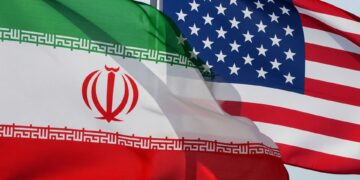









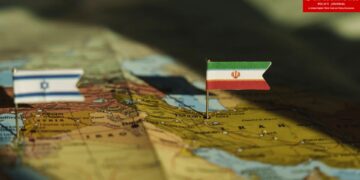






















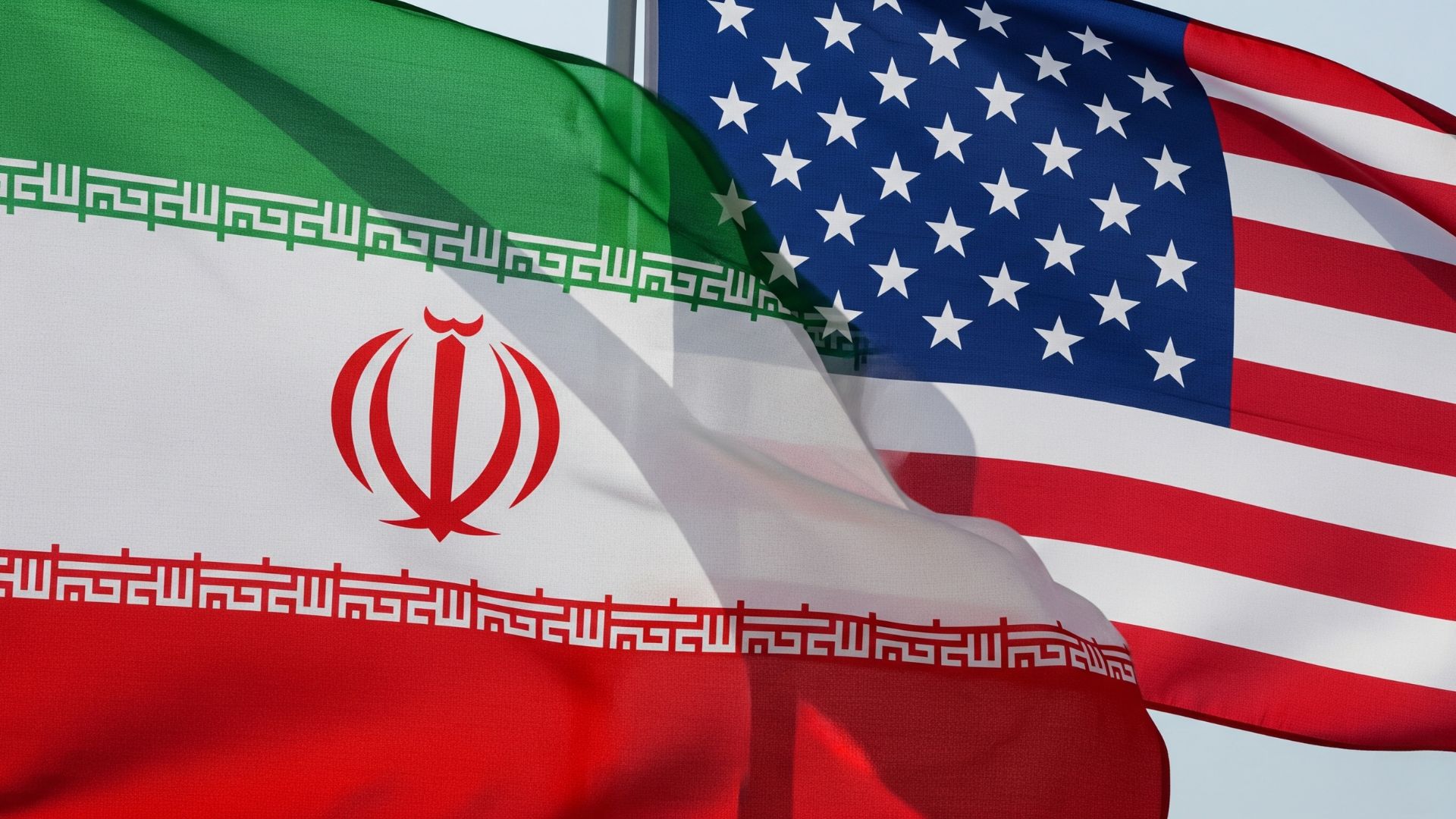
The United States and Iran have presented different interpretations of a newly announced Iran peace agreement, highlighting unresolved issues ahead of a planned signing ceremony.
While U.S. President Donald Trump described the deal as completed, Iranian officials said key provisions remain subject to future negotiations and formal approval.
Differing views on the Iran peace agreement
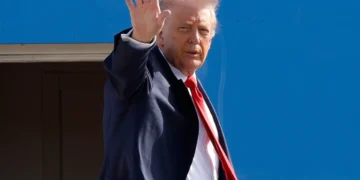
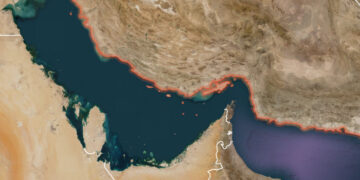
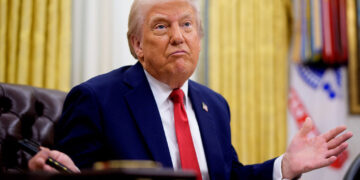
Trump announced Sunday that a peace agreement had been finalized. He said the deal would reopen the Strait of Hormuz and end the U.S. naval blockade of Iran.

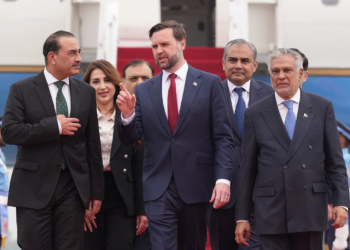
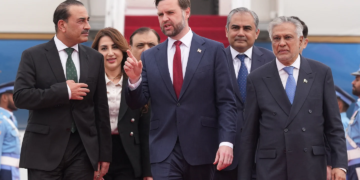
Pakistani Prime Minister Shehbaz Sharif, whose government helped mediate the talks alongside Qatar, also said the two sides had reached an agreement after intensive negotiations.
However, Iranian officials offered a different account.
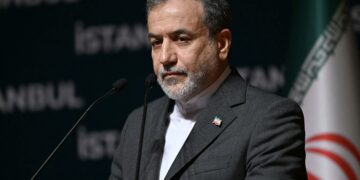
Deputy Foreign Minister Kazem Gharibabadi said negotiators had agreed on a final text, which is expected to be signed in Switzerland on June 19. He added that the full document would be published after the official signing.
According to Gharibabadi, several major issues will remain under discussion during a 60-day negotiation period following the signing ceremony.
Nuclear program remains a major issue
The most significant difference between the two sides concerns Iran’s nuclear program.
A Trump administration official said the agreement requires the dismantling of Iran’s nuclear program and the destruction of nuclear materials. The official added that sanctions relief would depend on verified compliance.
Iranian media, however, reported that Tehran has not accepted any new nuclear obligations under the current agreement.
According to Iran’s state-run IRNA news agency, nuclear issues will be addressed during the post-signing negotiations rather than under the initial agreement.
Dispute over implementation
Washington and Tehran also differ on the agreement’s current status.
Trump has repeatedly described the deal as completed. In contrast, Iranian officials have emphasized that it has not yet been formally signed.
They also stated that key provisions would only take effect after implementation procedures and verification mechanisms are established.
As a result, questions remain about how and when the agreement will be enforced.
Lebanon and Hezbollah create further uncertainty
The future of Lebanon and Hezbollah remains another unresolved issue.
Trump, Pakistani officials, and Iranian representatives have suggested that the agreement covers all fronts connected to the conflict, including Lebanon.
Israeli officials, however, maintain that their confrontation with Hezbollah remains separate from the U.S.-Iran arrangement.
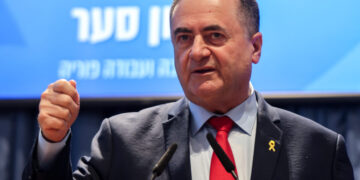
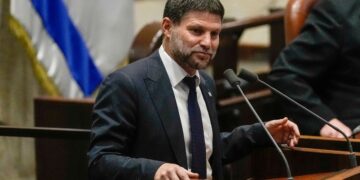
Israeli Prime Minister Benjamin Netanyahu’s government has welcomed efforts to reduce tensions between Washington and Tehran. Nevertheless, officials have warned that some provisions could affect Israeli security interests.
Israeli media have also reported growing tensions between Trump and Netanyahu. According to those reports, Trump criticized Israeli airstrikes in Beirut while negotiations were advancing.
Questions remain ahead of signing
Israeli officials have expressed concerns that Iran could receive sanctions relief without making sufficient commitments on its nuclear activities.
They have also questioned whether Hezbollah-related issues have been adequately addressed.
The differing accounts from Washington, Tehran, and Tel Aviv underscore the uncertainty surrounding the agreement. Although leaders have described the talks as a breakthrough, significant disagreements appear to remain ahead of the planned June 19 signing ceremony in Geneva.