








































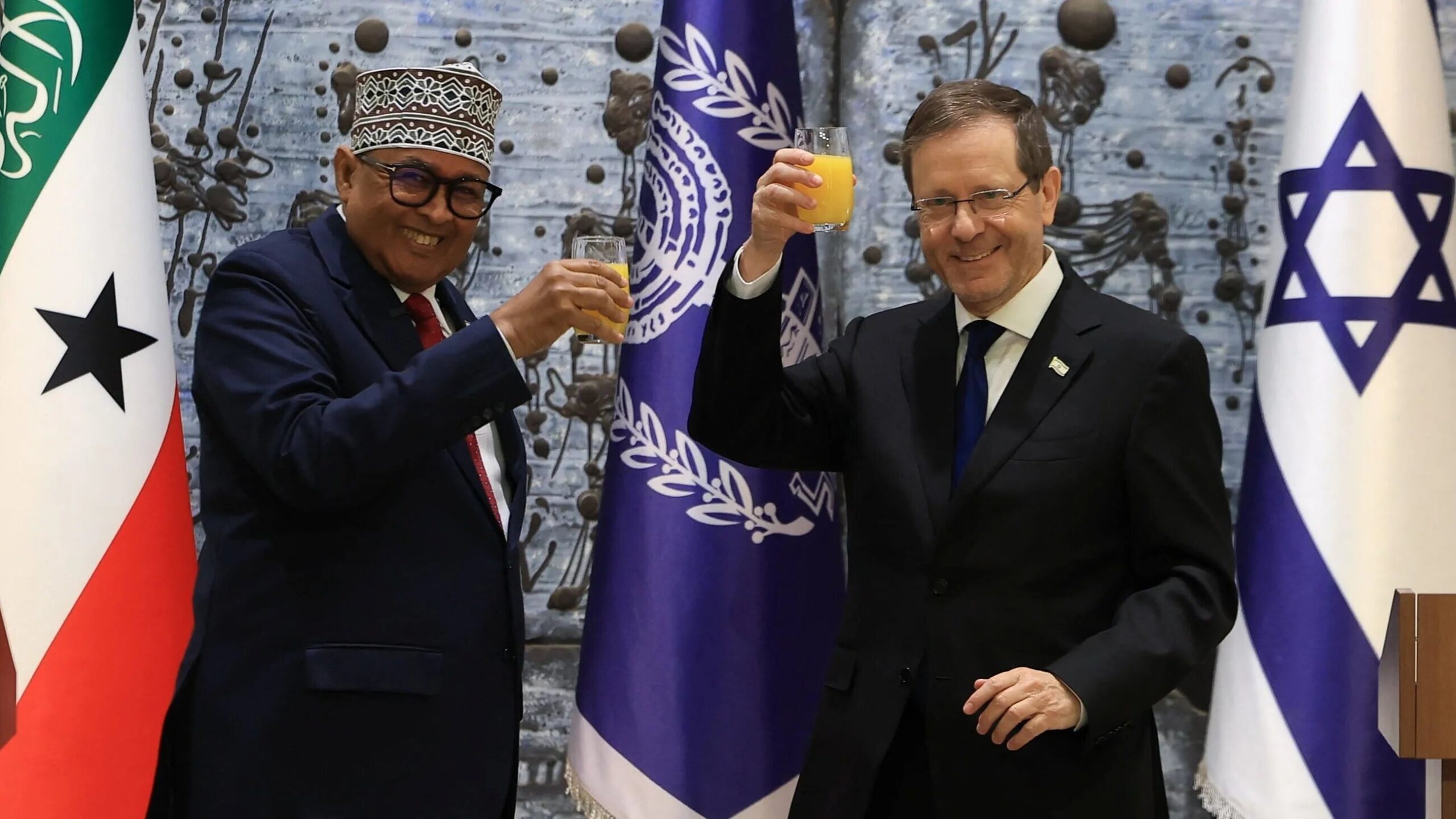
Israel’s recognition of Somaliland and the recent visit by Somaliland President Abdirahman Mohamed Abdullahi to Jerusalem have intensified debate over sovereignty, regional stability and international law in the Horn of Africa.
Critics argue that the Israel Somaliland recognition risks undermining Somalia’s territorial integrity while introducing new geopolitical tensions into an already fragile region.
Historic visit draws regional scrutiny
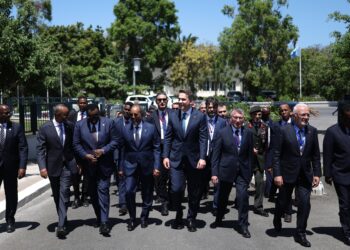
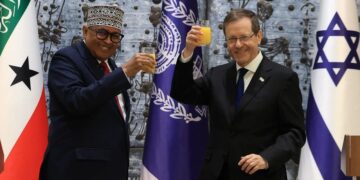
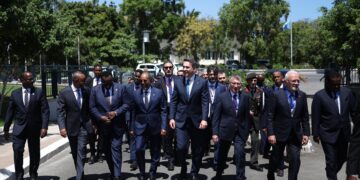
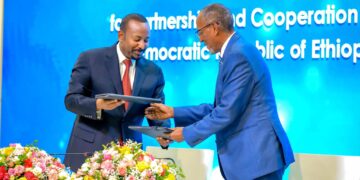
Abdullahi arrived in Jerusalem on June 14 for what Israeli and Somaliland officials described as a historic state visit. It marked the first official foreign visit by a Somaliland leader since Israel formally recognized Somaliland as an independent state in December 2025.


During the visit, Abdullahi met Israeli President Isaac Herzog and was expected to hold talks with Prime Minister Benjamin Netanyahu.
Israeli officials have presented the relationship as a step toward deeper diplomatic and security cooperation. However, the move has generated criticism from Somalia and several regional actors.
Israel Somaliland recognition faces criticism
Somalia has strongly rejected Israel’s recognition of Somaliland, describing it as a violation of Somalia’s sovereignty and constitutional order.
Critics contend that recognizing Somaliland without a negotiated settlement between Hargeisa and Mogadishu could set a precedent for supporting secessionist movements elsewhere on the continent.
Several African and international observers have also questioned whether unilateral recognition contributes to long-term regional stability.
While Somaliland has operated with its own government and institutions since declaring independence in 1991, it has not secured broad international recognition.
Security cooperation raises concerns
Reports suggest that discussions between Israeli and Somaliland officials included regional security issues and potential cooperation in the Red Sea corridor.
Analysts warn that any expanded military or security presence could increase competition among foreign powers in the Horn of Africa.
The region already faces challenges linked to maritime security, terrorism, political instability and geopolitical rivalry. Consequently, some observers fear that new security arrangements could further complicate existing tensions.
Supporters of the partnership argue that cooperation could strengthen maritime security and economic development. Critics, however, say such arrangements should not come at the expense of Somalia’s internationally recognized borders.
Implications for the Horn of Africa
The controversy surrounding Israel Somaliland recognition extends beyond bilateral relations. Regional experts caution that the move could affect diplomatic relations between Israel and several African countries that support Somalia’s territorial unity.
They also warn that external involvement in unresolved political disputes may increase polarization rather than encourage dialogue.
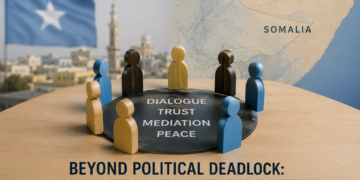
For Somalia, the issue remains closely tied to national sovereignty and state-building efforts. Somali officials maintain that any discussion about Somaliland’s future should occur through political negotiations rather than unilateral international recognition.
As debate continues, the visit highlights broader questions about the balance between strategic interests, international law and regional stability in the Horn of Africa.
Whether the recognition contributes to peace or deepens existing divisions remains a subject of significant regional and international concern.