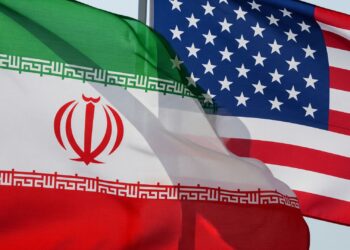





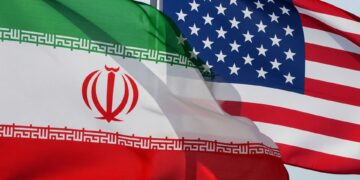

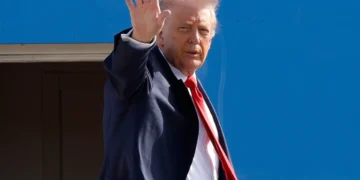







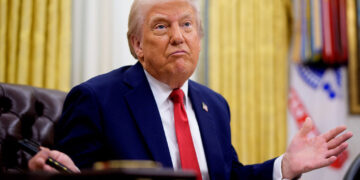





























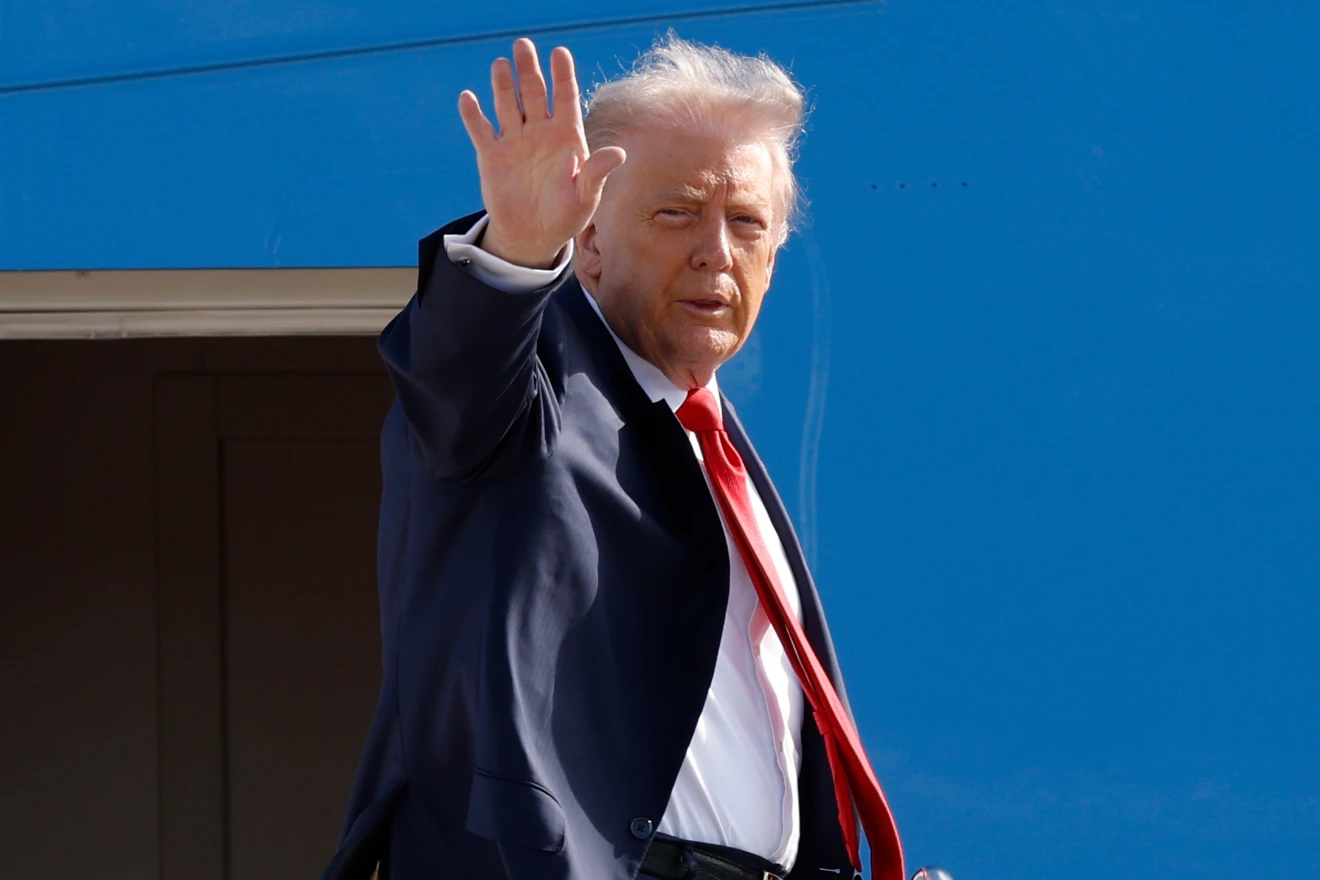
The pattern of Trump Iran rhetoric has drawn growing attention as the U.S. president alternates between threats of military action and declarations that a peace agreement with Iran is close. The changing messages have created uncertainty around efforts to secure a lasting ceasefire and restore stability around the Strait of Hormuz.
Over the past two months, President Donald Trump has repeatedly shifted his position on negotiations with Tehran. At different times, he has predicted an imminent agreement, threatened severe military action, and then announced de-escalation shortly afterward.
According to CNN, Trump has said more than 38 times since March that the United States was close to reaching an agreement with Iran or that peace was near.



Trump Iran rhetoric shifts between threats and diplomacy
Observers have described the president’s approach as “diplomatic whiplash,” citing frequent and abrupt changes in tone.
On April 7, Trump issued a stark warning on Truth Social. He said the United States would destroy Iranian civilization if Tehran rejected his terms and refused to reopen the Strait of Hormuz.
“A whole civilization will die tonight, never to be brought back again,” Trump wrote.
However, later that day, he announced that Iran had agreed to a two-week suspension of hostilities and the reopening of the waterway. He described the development as a “total and complete victory.”
The following day, Trump called the moment “a big day for World Peace.”
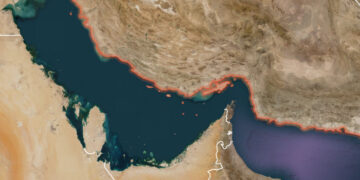
Strait of Hormuz tensions return
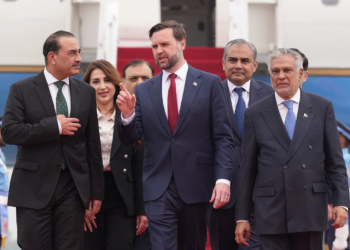
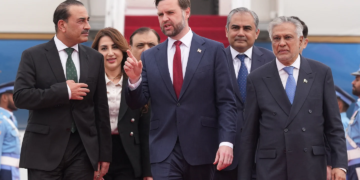
The optimism proved short-lived. On April 12, after talks in Pakistan ended without a breakthrough, Trump announced that the U.S. Navy would begin a blockade of the Strait of Hormuz.
He accused Iran of “extortion” and said American forces would target ships paying tolls to Tehran while also clearing naval mines.
Days later, on April 17, Trump again adopted a more conciliatory tone. He declared that the strait was “completely open and ready for business” and said that most negotiation points had already been settled.
Nevertheless, the mixed messaging continued.
On April 19 and 20, Trump warned that if Iran rejected a deal, the United States would target critical infrastructure, including power plants and bridges. He also told a PBS reporter that if the ceasefire collapsed, “lots of bombs start going off.”
Yet only hours later, he stated on social media that negotiations would conclude “relatively quickly.”
Negotiations face repeated setbacks
By the end of April, no formal agreement had emerged. Trump extended the ceasefire while maintaining the naval blockade until negotiations were resolved.
In late May, he again suggested that a breakthrough was near. On May 23, Trump announced that a memorandum of understanding to end the conflict had largely been negotiated.
He said final details were still under discussion and would be announced soon.
However, during meetings on May 28 and 29, Trump declined to sign a 60-day draft memorandum negotiated by his own delegation. He later requested revisions to the document.
As a result, negotiations remained unresolved.
Regional tensions complicate diplomacy
Tensions rose again between June 6 and 8 when Iran and Israel exchanged strikes, increasing concerns that the ceasefire could unravel.
Despite the escalation, Trump said an agreement could be reached within days and predicted the immediate reopening of the Strait of Hormuz.
On June 11, he announced that planned U.S. strikes against Iran had been canceled. He said discussions had progressed significantly and that all parties had approved the main concepts of an agreement.
Trump also stated that the naval blockade would remain in place until the final deal was completed.
Later that day, he told supporters during a tele-rally that the war with Iran had effectively ended.
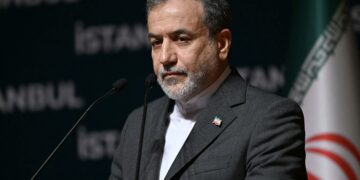
Iran’s Foreign Ministry, however, rejected reports of a finalized agreement and described such claims as “mere speculation.”
The contrasting statements from Washington and Tehran underscore the uncertainty surrounding negotiations. While diplomatic efforts continue, the absence of a formal agreement has left questions about the future of the ceasefire and security in one of the world’s most important shipping corridors.