









































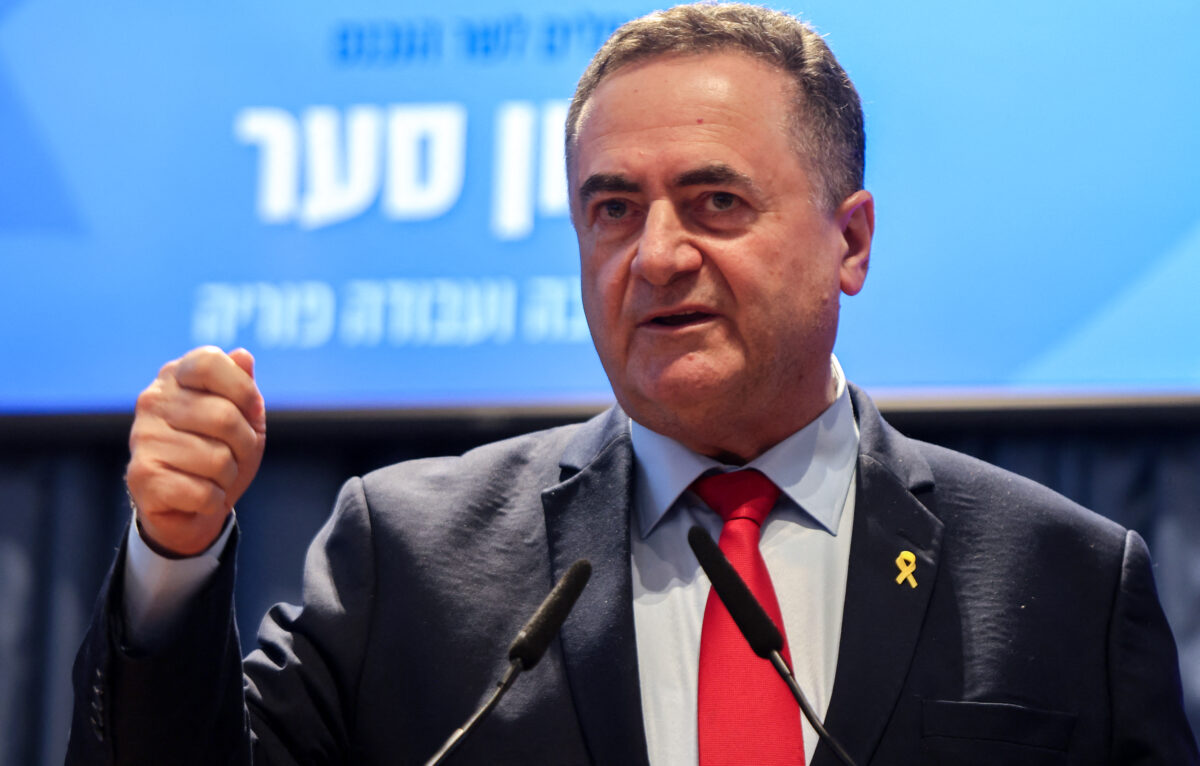
Israeli Defense Minister Israel Katz said Monday that Israeli forces in Lebanon will remain in areas occupied by Israel despite the recently announced peace agreement between the United States and Iran.
Katz also said Israeli troops would continue operating in occupied areas of Syria and Gaza, signaling no immediate change in Israel’s military posture.
Israeli forces in Lebanon to remain deployed
In a statement, Katz said Israel opposes withdrawing its troops from southern Lebanon regardless of current or future pressure.


He added that the occupied areas would remain under Israeli control and claimed that Prime Minister Benjamin Netanyahu had communicated this position to U.S. President Donald Trump and senior American officials.
Katz also said he conveyed the same message to U.S. Defense Secretary Pete Hegseth.
Officials criticize US-Iran agreement
The defense minister warned that Israel would respond forcefully to any Iranian attack linked to developments in Lebanon.
Meanwhile, Israeli National Security Minister Itamar Ben-Gvir criticized the agreement, arguing that the deal does not obligate Israel to change its policies.
The comments highlight continuing divisions over the implications of the U.S.-Iran agreement for regional security.
Airstrikes continue despite diplomatic breakthrough
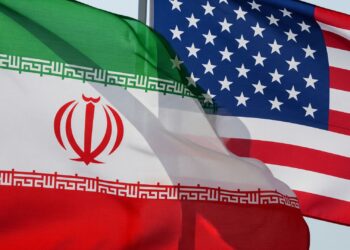
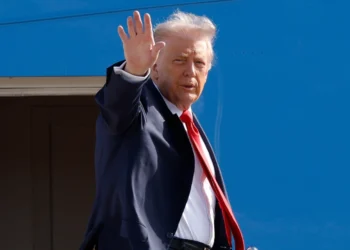
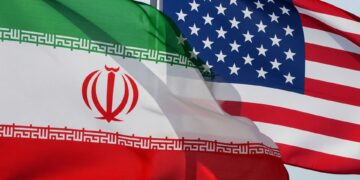
President Donald Trump announced Sunday that Washington and Tehran had reached a peace agreement.
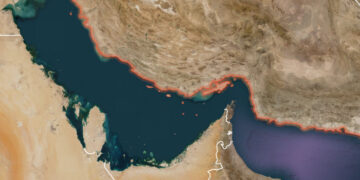
The deal includes ending military operations across all fronts, reopening the Strait of Hormuz and lifting the U.S. naval blockade on Iran.
However, Israeli airstrikes continued in southern Lebanon on Monday despite the diplomatic announcement.
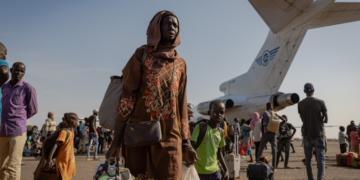
According to Lebanese officials, Israeli military operations since March 2 have killed more than 3,700 people, injured nearly 11,500 others and displaced over 1.5 million residents.
Questions remain over regional implementation
The continuation of military operations has raised questions about how the agreement will affect ongoing conflicts across the region.
While Washington and Tehran have presented the deal as a step toward de-escalation, Israeli officials have indicated that their security policies will remain unchanged.
As a result, uncertainty remains over how the agreement will influence developments in Lebanon and the broader Middle East.